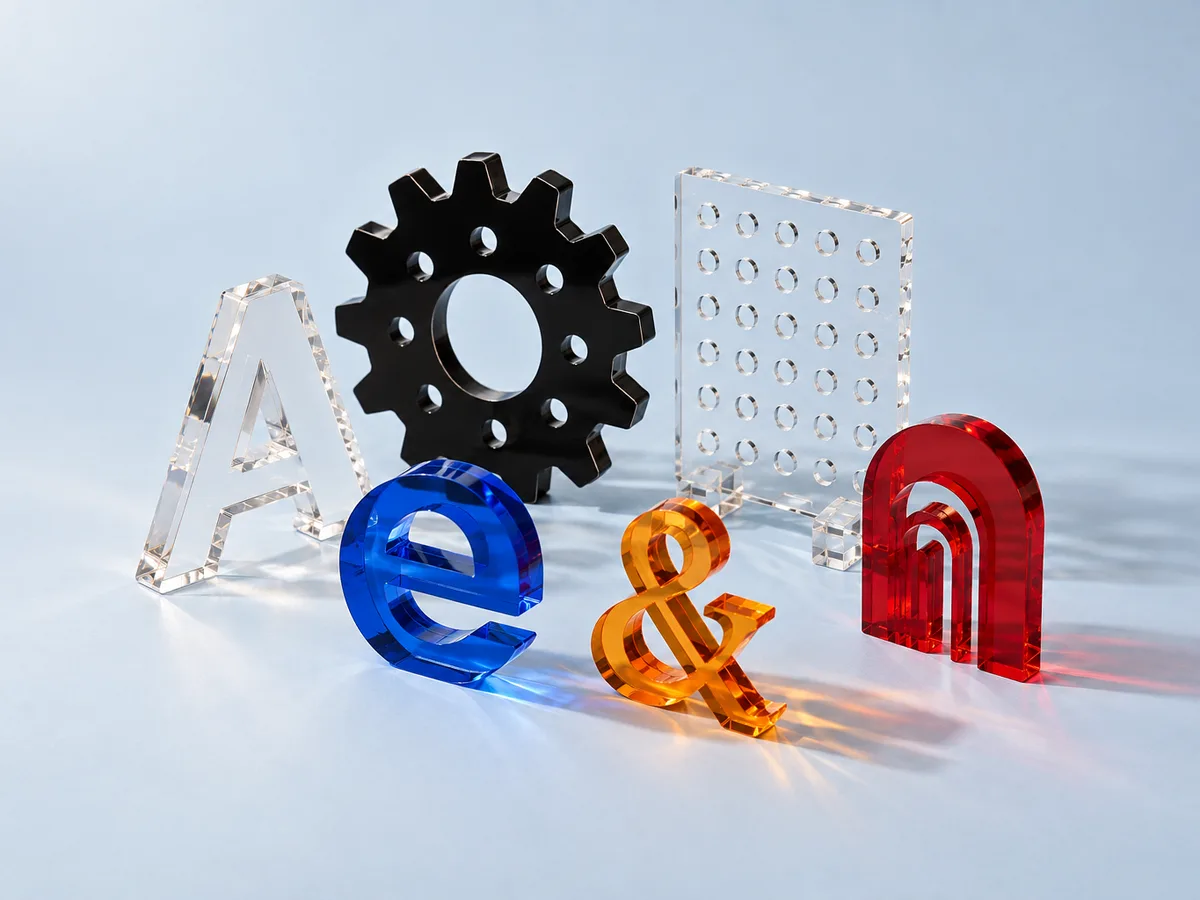
CNC machining
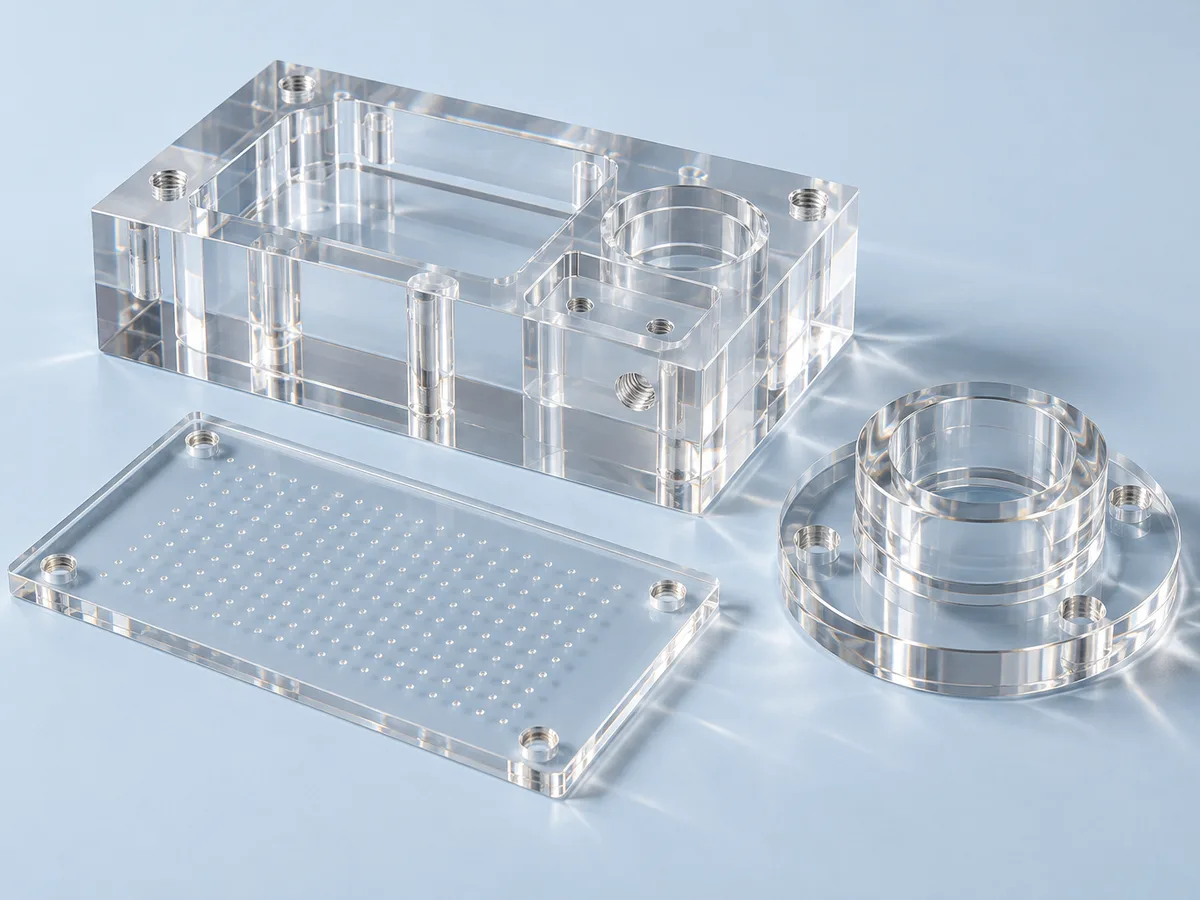
Pockets, stepped faces, counterbores, controlled holes and thick-stock geometry.
4 CNC machines · drawing-controlled toolpaths
Acrylic CNC service →For brands, retailers and OEMs: send a drawing, sketch or photo and we cut, machine, polish, bend, print and assemble it, from 100 pieces per design.
Display stands from $12/pc at 1,000 · See reference prices
DXF, STEP, AI, dimensioned PDF, sketch or photo accepted.
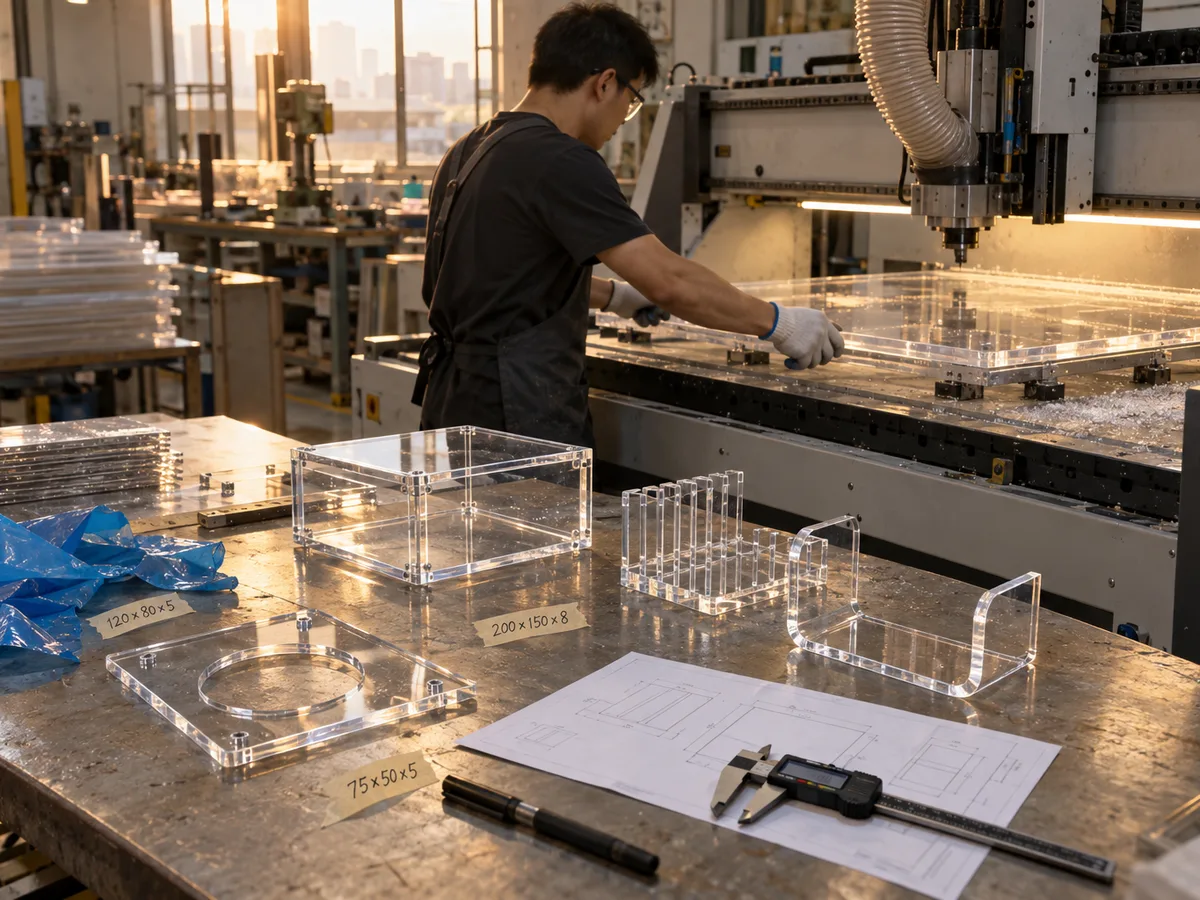
Wetop's custom acrylic fabrication services turn your drawing, sketch or photo into finished acrylic products and parts: displays, cases, boxes, trays, blocks, frames and drawing-controlled components. Production starts at 100 pieces per design; a paid sample (USD 200–500) takes 3–5 days and production 15–20 days. Published references start at $28 per display stand at 100 pieces, FOB Shenzhen.
Large files: share a Google Drive or Dropbox link. We reply within 24 hours.
Brands we have made acrylic for
Cutting, CNC machining, polishing, bending, printing, assembly and inspection run under one roof in our 5,000 m² factory. One released file set controls each production step. See our supplier audit guide for the factory review.
Pockets, stepped faces, counterbores, controlled holes and thick-stock geometry.
4 CNC machines · drawing-controlled toolpaths
Acrylic CNC service →Repeated 2D profiles, slots, windows and sheet components in clear, colored and frosted acrylic.
8 laser cutters · test cut before production
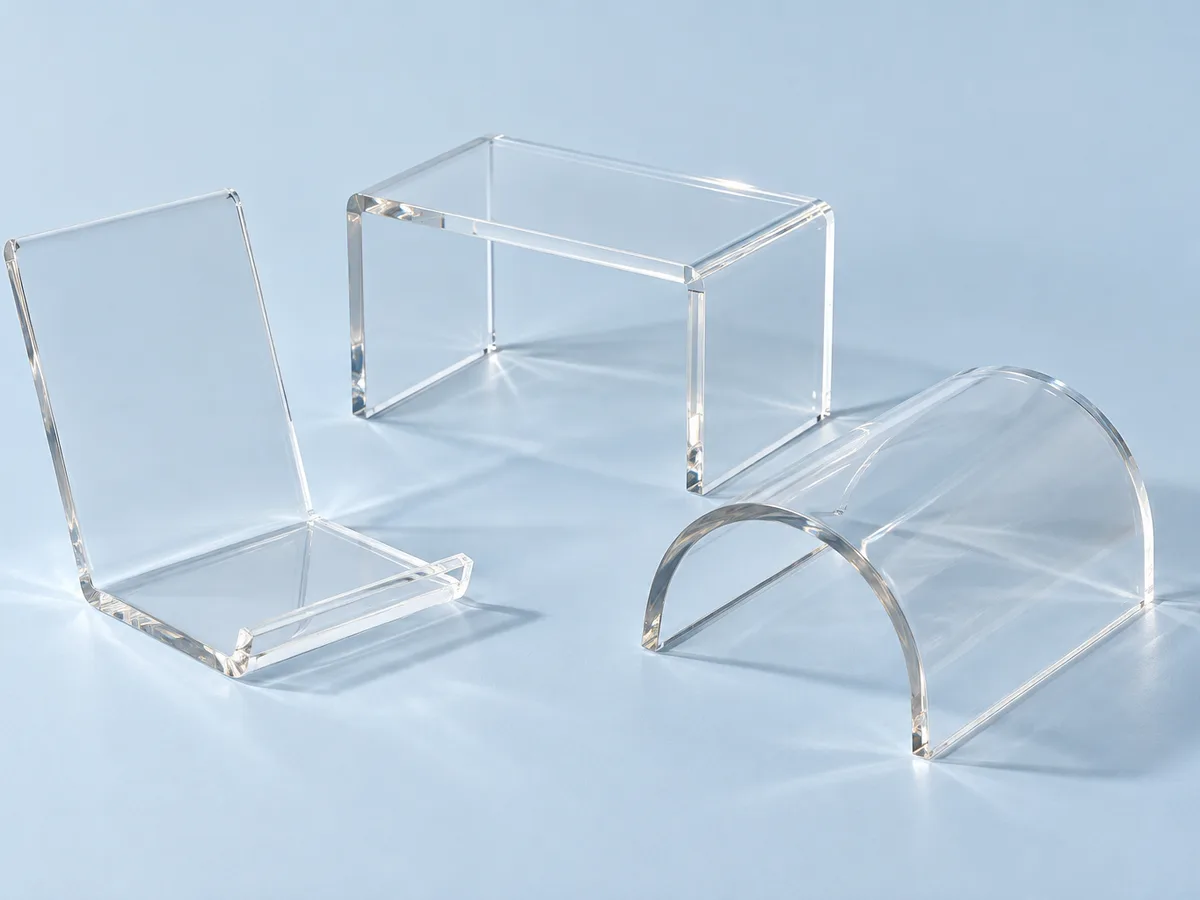
Acrylic laser cutting service →Heat-bent angles for stands and holders; thermoformed curves and covers.
Strip bending · thermoforming
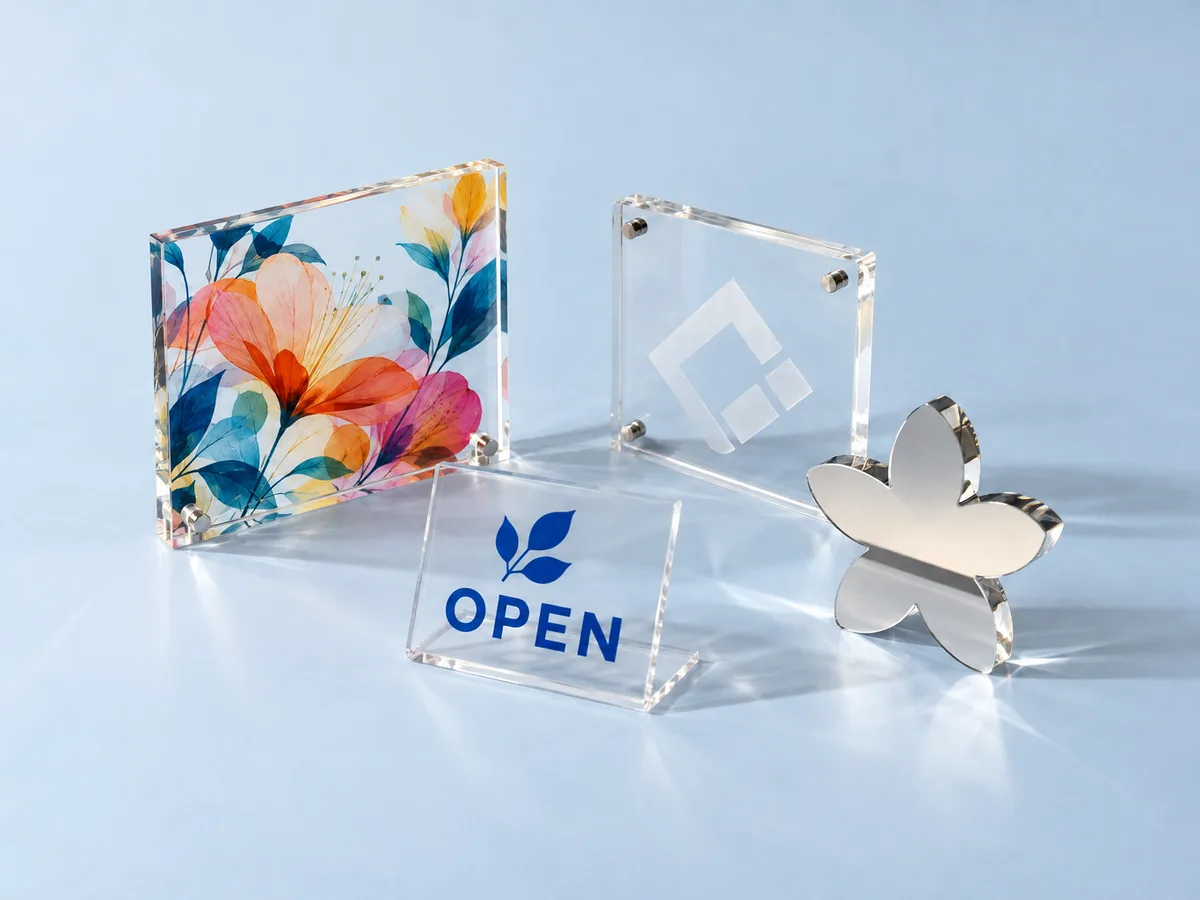
Bending and forming guide →Silk-screen, UV full-color, hot stamping and laser engraving, registered against the approved sample.
UV · silk-screen · hot stamping · engraving
UV printing on acrylic →How acrylic fabrication worksPrinting methodsFactory process
Our standard working tolerance is ±0.2 mm unless the approved drawing states otherwise. Mark the dimensions that control fit, alignment, movement or mating parts. We confirm each process limit, edge acceptance and inspection method on the approval drawing and physical sample before production.
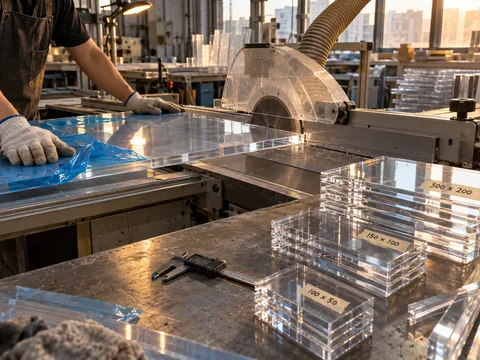
Each order follows the same route. A flat printed sign skips bending and an unprinted part skips printing; inspection is never skipped.
 01
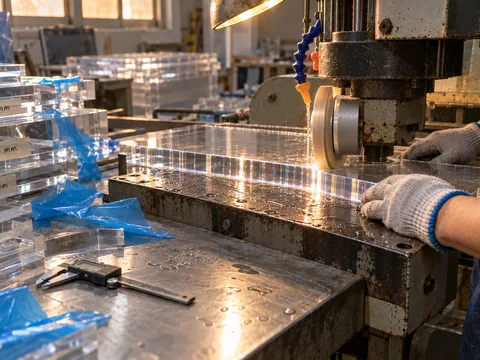
01Sheet is cut to blanks, then laser-cut or CNC-machined to the released file. CNC or laser?
 02
02Diamond, flame or cloth polished edges, matched to the approved sample. Polishing routes
 03
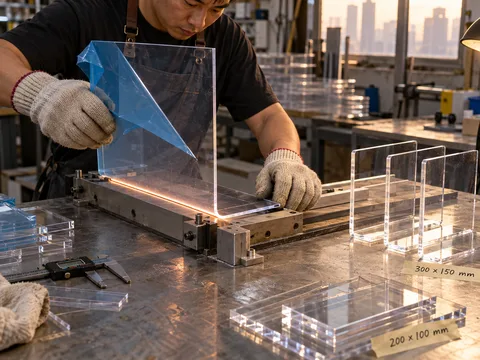
03Strip-heated bends and thermoformed curves, held on a jig.
 04
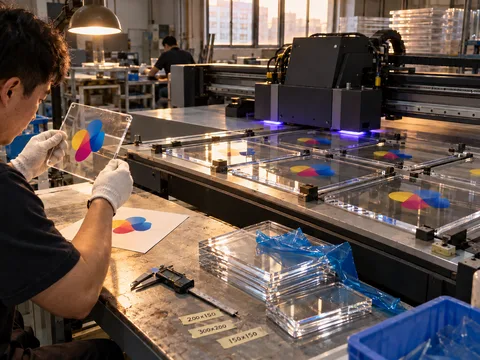
04UV, silk-screen, hot stamping or engraving, registered to the approved artwork.
 05
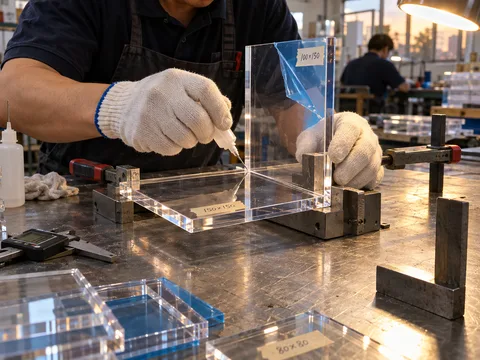
05Solvent bonding in square fixtures, specified hardware and protective film.
 06
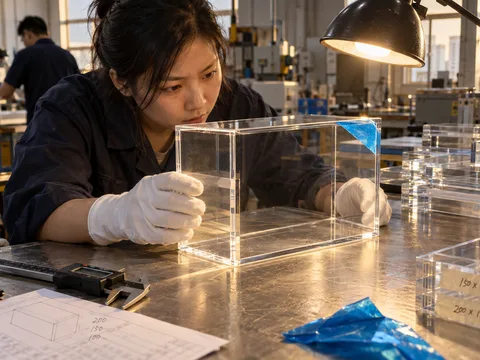
06100% inspection against the approved sample, then protective packing. Quality standards
2,000+ custom projects since 2008. Every project here is a delivered order, shown anonymized.
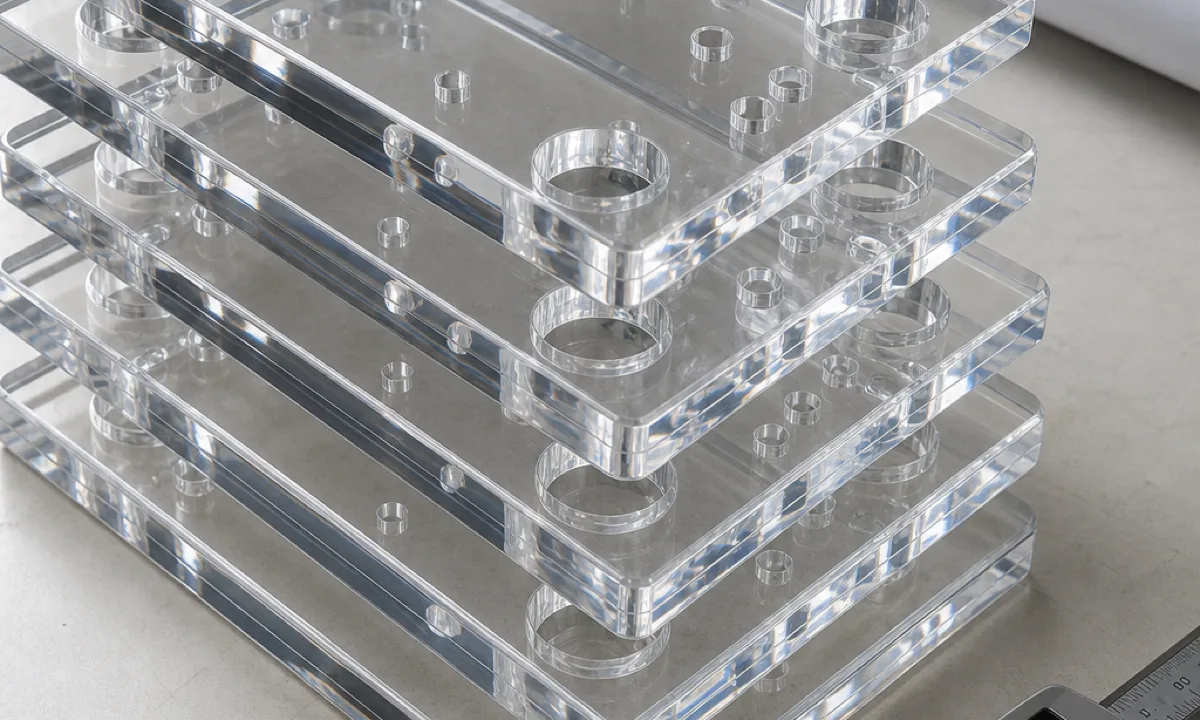 Delivered project300 CNC-machined instrument bases for a German OEMDrawing-controlled bases with documented material compliance.
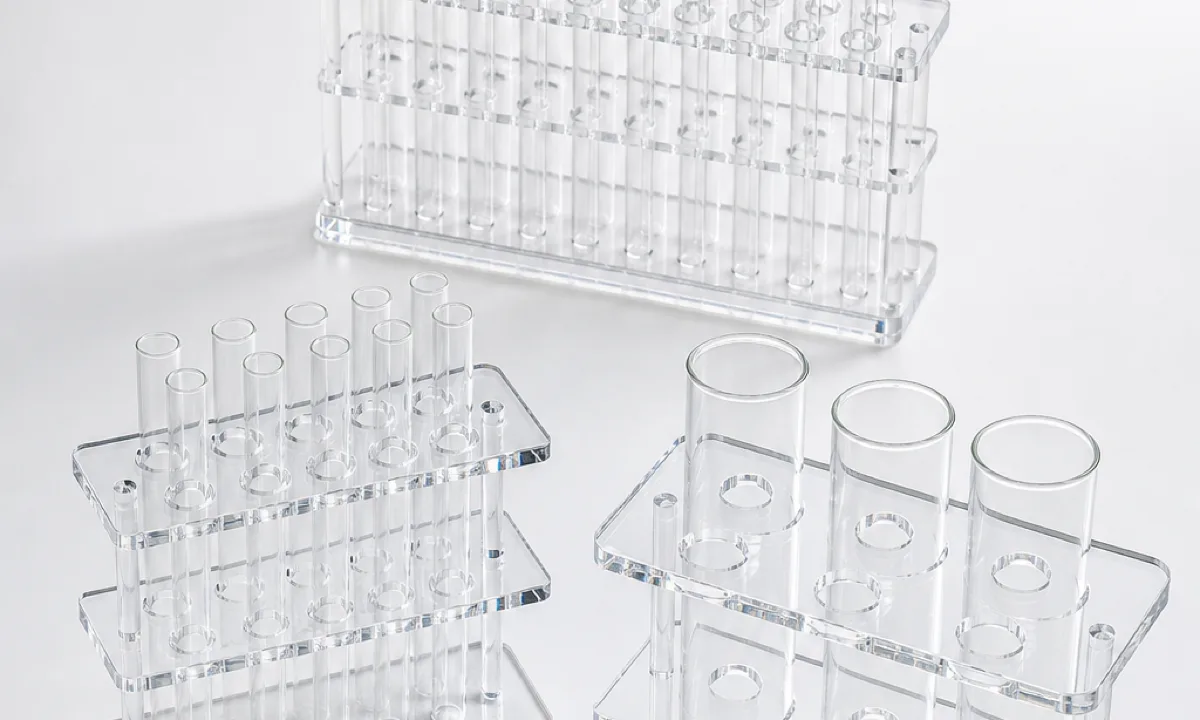 Delivered project600 laboratory tube racks with three hole sizesCNC cutting, drilling and bonding, with hole clearance set per tube diameter.
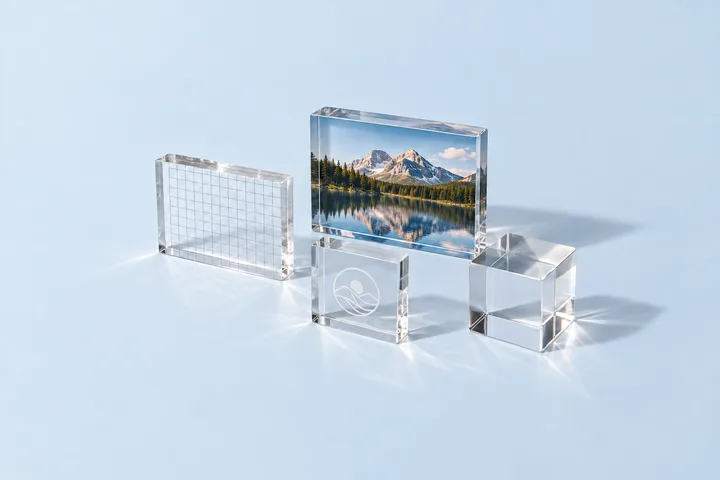
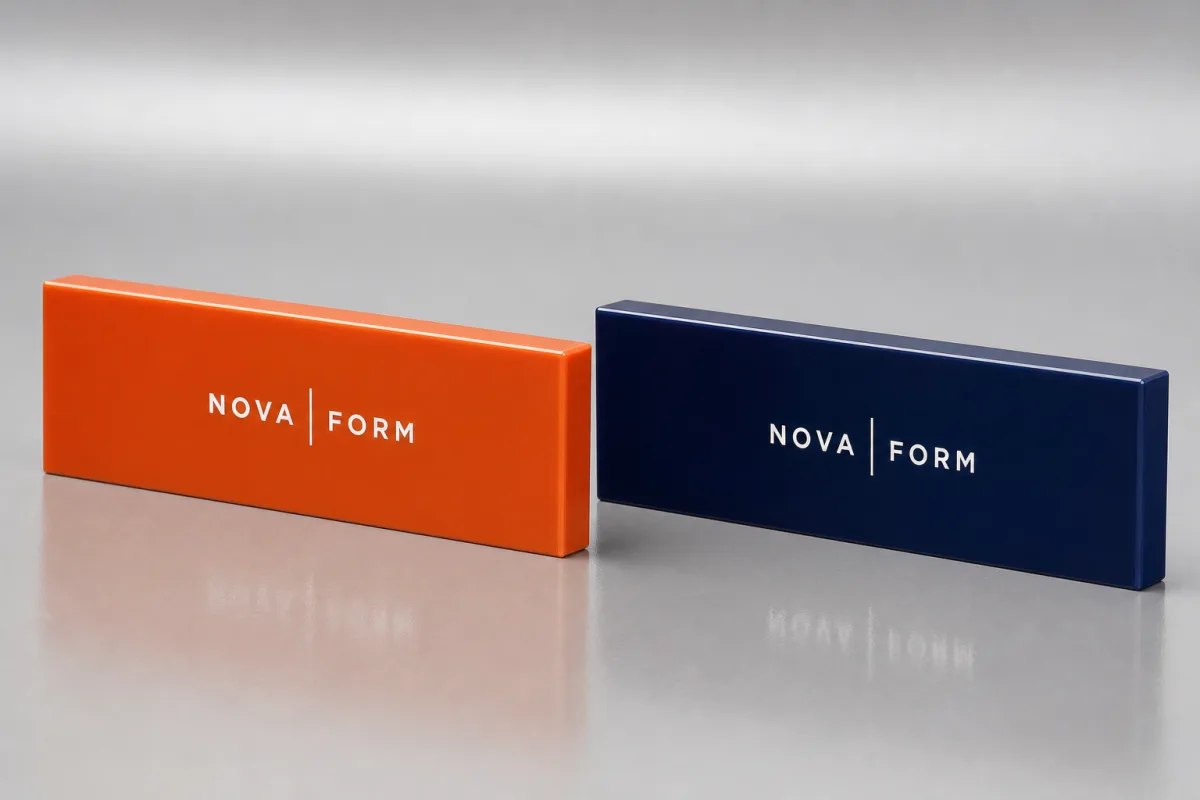 Delivered projectCorporate logo block vendor program2,600+ printed blocks across seven artworks.
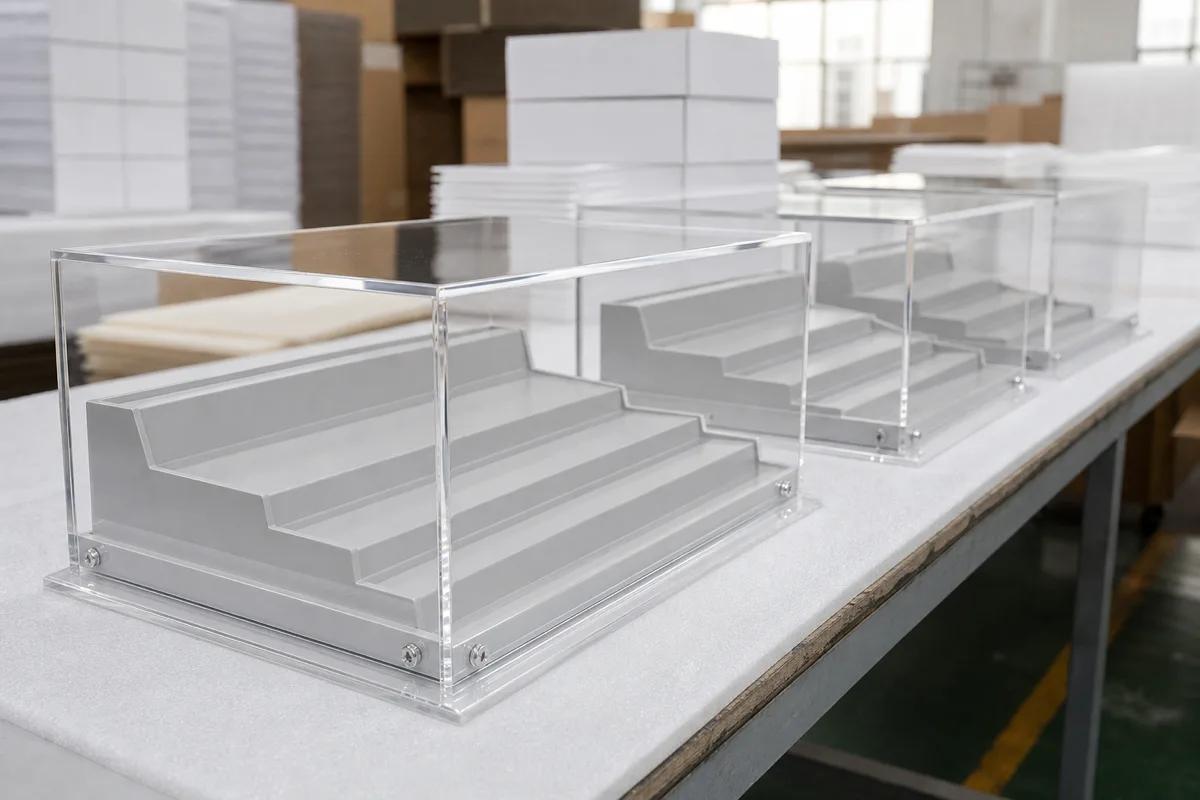 Delivered projectToy retail diorama display program2,620 display cases delivered for a retail launch.
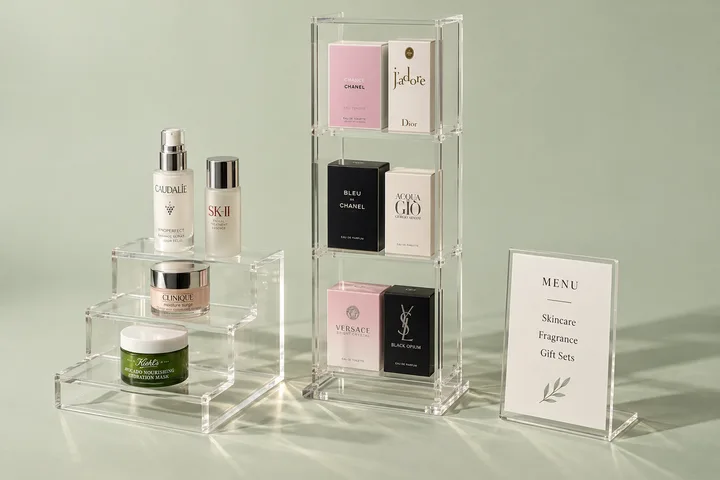
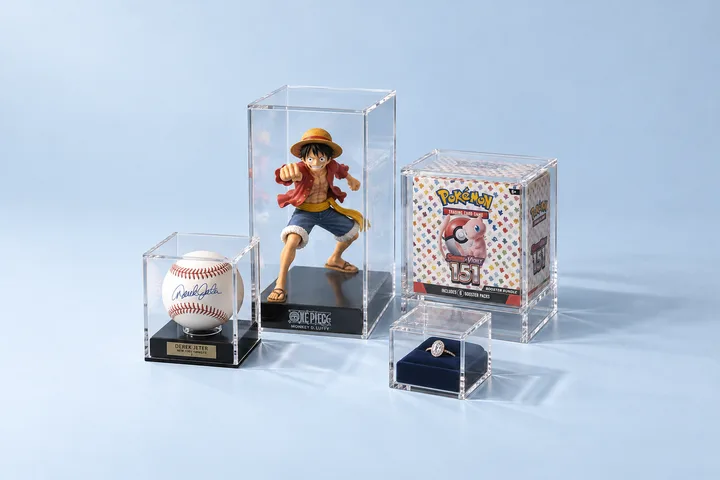
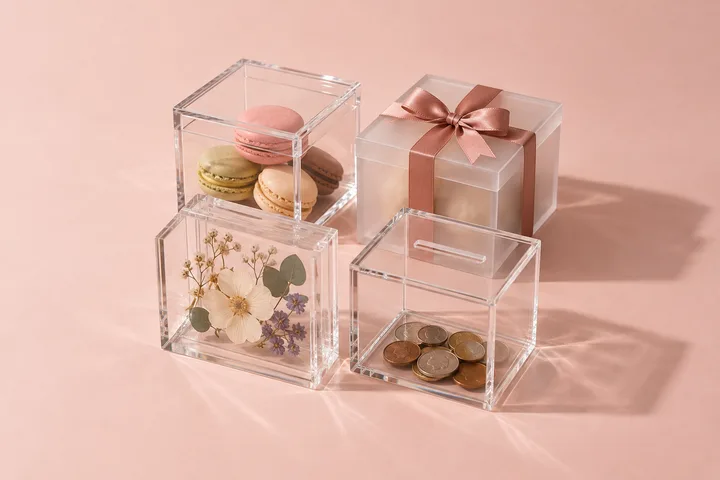
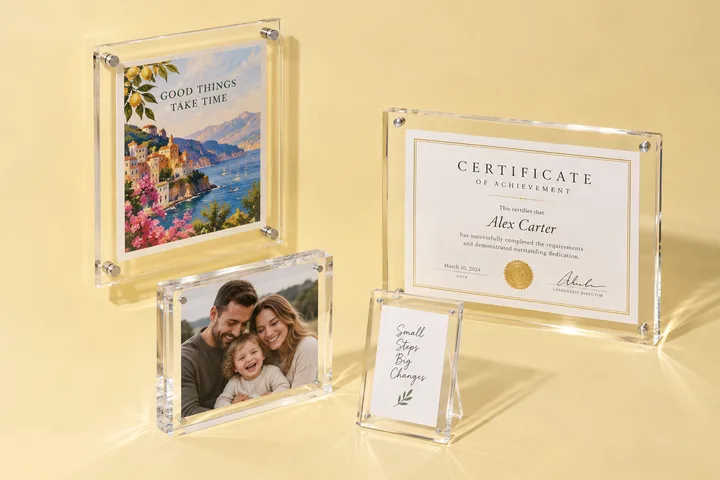
Display standsDisplay casesAcrylic boxesLogo and photo blocksFramesSigns and name platesTraysAll products
Price follows your drawing, material, finish and quantity, so there is no generic unit rate. These are published references for named specifications, FOB Shenzhen per piece; your drawing is quoted within 24 hours, and FOB and DDP can be quoted side by side.
| Product and reference specification | 100 pcs | 500 pcs | 1,000 pcs |
|---|---|---|---|
| Countertop display stand250 × 180 × 220 mm two-tier countertop stand · 5 mm clear acrylic · one-color UV branding · bulk packing | $28 | $16 | $12 |
| Clear box with magnetic lid100 × 100 × 100 mm · 3 mm clear · magnetic lid | $6–12 | $3–6 | Quoted |
| Serving tray with etched logo16×12in serving tray · 5mm clear · cut-out handles · etched logo | $19 | $11 | $8 |
| Logo block, UV printed100×60×20mm clear logo block · full-color surface UV print | $12 | $7 | Quoted |
| Sign holder, A5 slant-backA5 portrait slant-back holder · 3 mm clear · polished top edge · no printing · bulk packed | $6.80 | $3.70 | $2.90 |
At 100 pieces per design, setup is a meaningful part of unit cost; at 500 it is smaller, and at 5,000+ optimized cutting layouts reduce waste. Read MOQ economics before choosing quantity tiers.
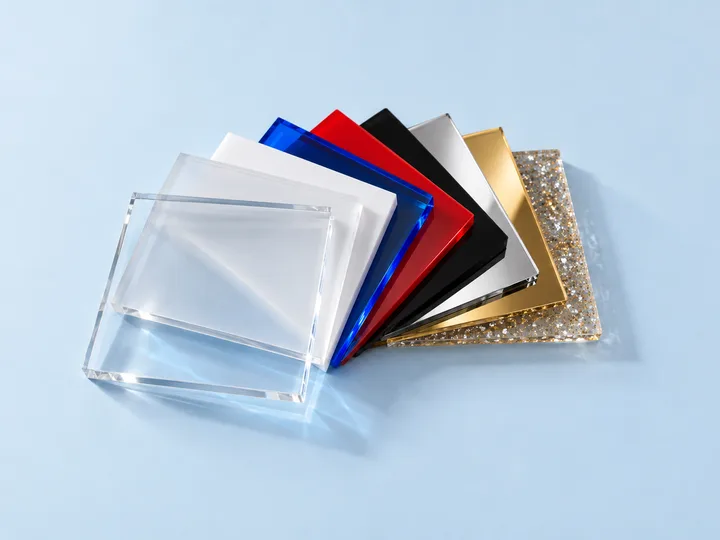
Acrylic glass, plexiglass, Lucite and PMMA describe the acrylic material in the buyer brief. We quote a named cast acrylic grade and supplier. Clear, colored, frosted, mirrored, glitter and UV-filtering grades are available; custom brand colors are confirmed on an approved sample.
Cast vs extrudedThickness guideAcrylic edge finishing: laser vs diamond vs flameSheet data PDF
Send what you have. Each gate is approved in writing before the next one starts, and the approved file and sample control the work.
Share a sketch, drawing or photo, quantity per design and destination. We reply with questions or a written quote scope.
USD 200–500 depending on complexity, paid separately and never credited. Choose the scope: a visual sample for color, print and finish; a fit sample for mating dimensions and assembly; or a production-intent sample for the full part and packout.
From 100 pieces per design, after written sample approval and the agreed payment gate: 30% deposit, 70% before shipment.
Every piece is checked against the approved sample, then packed and shipped FOB Shenzhen or DDP.
A labelled sketch or reference photo is enough to start. Our engineering team prepares a production drawing for your approval before anything is cut.
Download the acrylic RFQ templateCutting, CNC machining, laser cutting, heat bending and thermoforming, diamond and flame polishing, UV and silk-screen printing, hot stamping, laser engraving, solvent bonding, assembly, inspection and export packing, all in one factory. We make finished products and drawing-controlled parts from 100 pieces per design. We review your drawing for manufacture and prepare the production drawing for approval; product concepts, industrial design and artwork stay with you or your designer, and we don't sell loose acrylic sheet.
Price follows your drawing, material, finish and quantity. Published references, FOB Shenzhen: a two-tier countertop display stand is $28 each at 100 pieces, $16 at 500 and $12 at 1,000; a 16 × 12 in serving tray with an etched logo is $19 at 100 and $8 at 1,000; a 100 × 60 × 20 mm UV-printed logo block is $12 at 100 and $7 at 500. Send a photo, target size and the quantities you are considering and we return a written estimate within 24 hours, with the assumptions that still move the number.
No. Production starts at 100 pieces per design. Changing only variable text on the same design (names, numbers, dates, locations) does not make a new design, so personalized pieces count together; a different shape, size, artwork layout, color or print method is a separate design. To check one piece first, order a paid sample: USD 200–500 depending on complexity, about 3–5 days, paid separately and never credited to production. The prototype-to-production bridge lists what to carry from the sample into the run.
Tell us your target price and we show which inputs move the number: material thickness where the structure allows it, part count, print route, quantity tier and packing scope. The seven display value-engineering levers show how to document those tradeoffs. Every approved change appears in the revised quote and drawing.
Most products carry no tooling or setup fee. Some complex custom parts do, depending on the product and its requirements; when one applies, it is stated in the written quote before you approve the sample. CNC routing and laser cutting avoid mold tooling for most acrylic parts; CNC versus molded acrylic explains where molding starts to pay back.
Send the controlled dimensions, quantity per design, application, material or appearance target, critical tolerances, print or engraving artwork, assembly requirements, packing and destination. DXF, STEP, AI or a dimensioned PDF is best; a labelled sketch or reference photo is enough to start. The CAD and DXF file preparation guide separates profile files from 3D geometry.
Yes. Mark the dimensions that control fit, alignment or movement and send the mating part or its drawing where practical. Our standard working tolerance is ±0.2 mm, and ±0.1 mm on marked fit-critical 2D profiles after drawing review. A fit sample confirms clearance with the real component before production. Equipment covers, guards and lab parts are covered on our acrylic enclosure page.
Yes, before bulk production begins. The released drawing and artwork revision control cutting, machining, print position, assembly and inspection. A change to dimensions, material, artwork, construction, fit or appearance gets a revised approval set; we state the scope, timing, any setup charge and whether another paid sample is needed, then release production only after written approval.
Attach a sketch, reference photo, DXF, STEP, AI or dimensioned PDF. Include quantity per design, critical features, material, branding, packing and destination. We reply within 24 hours with questions or a written quote scope.
We can review a reasonable NDA before confidential files are shared. Your project files are used for quoting, sampling and production. FOB Shenzhen and DDP can be quoted separately.
We've received your inquiry. Our team will reply within 24 hours — usually faster.