
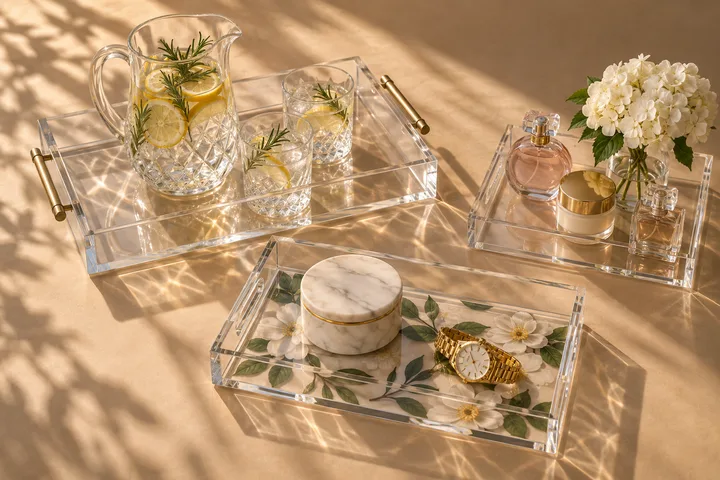
Acrylic Manufacturing Process
How Your Order Gets Built
From approved drawing to inspected production in one Shenzhen facility.
ISO 9001 Certified · Manufacturing Since 2008 · 2,000+ Custom Projects · 100% Inspection
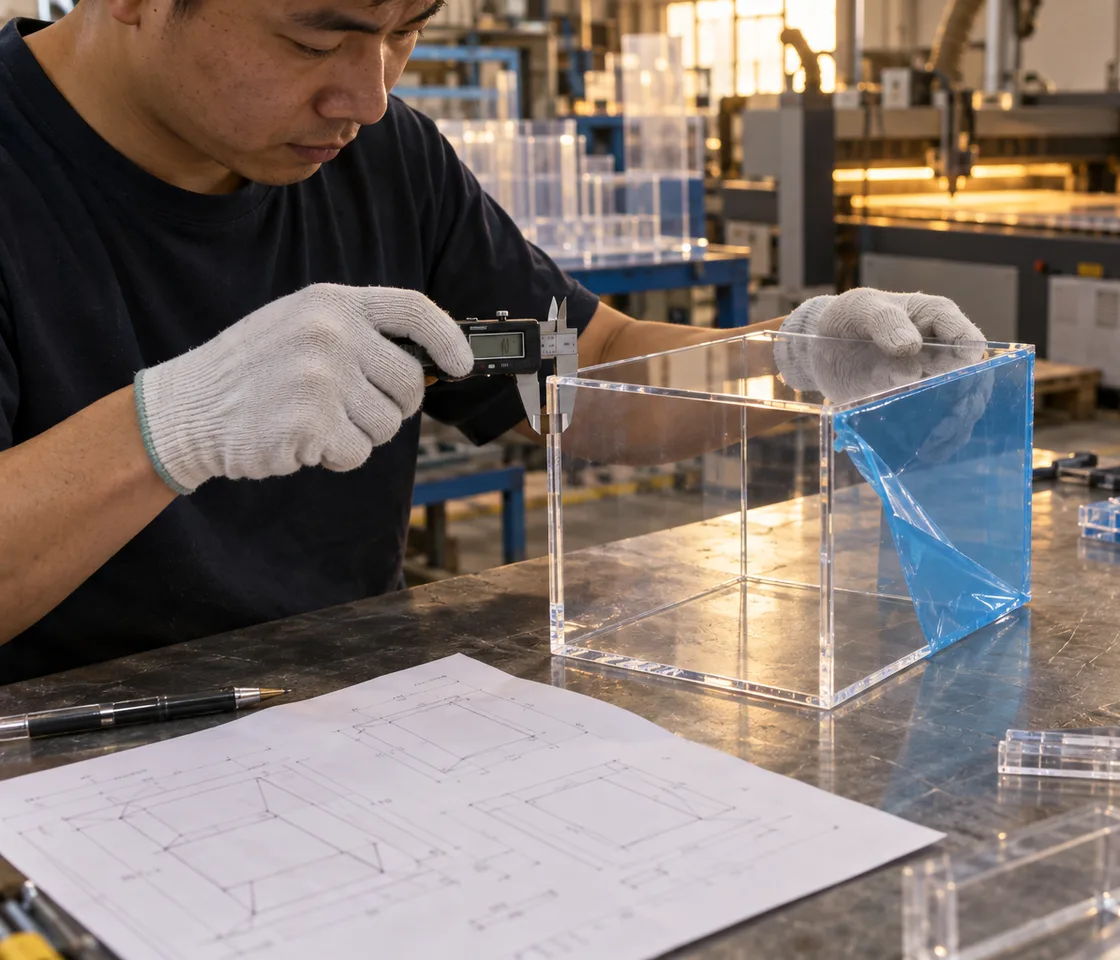
Wetop Acrylic is a custom acrylic products manufacturer operating a 5,000 m² facility in Shenzhen, China. The facility includes laser cutting, CNC machining, polishing, thermoforming, UV printing, assembly, and inspection capabilities for acrylic (PMMA), also known as plexiglass or Perspex. The quote identifies the exact process route, material, and any sourced components for your order.
Your Order, Step by Step
A custom acrylic order at Wetop follows 10 production steps: design review, engineering, material prep, cutting, shaping, edge finishing, printing, assembly, 100% quality inspection, and packaging. Before production, use the pre-production sample approval checklist to record what the approved sample controls, then use the guide to what adds days to an acrylic production run to separate factory time from approval and freight. Samples ship in 3–5 days; production runs 15–20 days depending on complexity.
Design Review
You send us a CAD file, sketch, or reference photo. Our engineering team reviews the design for manufacturability — checking tolerances, material suitability, and structural integrity.
Why it matters: Critical dimensions are assigned by feature, material and process; use our acrylic machining tolerance guide to prepare the drawing before sample approval.
Related guide: Acrylic Machining Tolerance Guide ›Engineering & Planning
We create production drawings, select the optimal manufacturing sequence, and choose the right equipment for each operation. You receive a detailed quote with material, process, and timeline breakdown.
Why it matters: The right process sequence determines quality. Laser vs CNC, diamond vs flame polish — each choice affects the final result. Use the custom display-stand procurement checklist to compare the drawing, sample, and quote as one approval package.
Related guide: Custom Display-Stand Procurement Checklist ›Material Preparation
We source acrylic sheets from certified suppliers — clear, colored, frosted, mirrored, or anti-static — in the exact thickness and grade your design requires. Sheets are inspected for clarity, flatness, and surface defects before cutting.
Why it matters: Material quality is the foundation. A flawless finish is impossible if the raw sheet has inclusions, warps, or surface scratches.
Cutting
Panels are cut using the laser or CNC route named in the approved process plan. Critical dimensions and measurement methods are marked on the drawing.
Why it matters: Material, thickness, geometry, process, and measurement method affect achievable tolerance, so the sample verifies fit before production.
Related guide: CNC vs Laser Cutting for Acrylic ›Shaping & Forming
Flat panels are bent, thermoformed, or machined into 3D shapes. Bending uses controlled heat to create precise angles. Thermoforming presses heated acrylic over molds for curved surfaces. CNC machining drills holes, slots, and pockets.
Why it matters: Acrylic is rigid at room temperature but shapeable when heated. Controlled heating and cooling prevents stress marks, crazing, and dimensional warping — your product stays crystal-clear and dimensionally precise.
Edge Finishing
Suitable straight-edge geometry can receive diamond polishing when specified. Other edges use the approved finishing process for the material, geometry, and assembly. Finished edges are checked against the approved sample and drawing.
Why it matters: Raw-cut acrylic edges are opaque and rough. Diamond polishing restores full optical clarity — the edge becomes as transparent as the face. This is what separates professional-grade acrylic from low-grade fabrication.
Related guide: Diamond vs Flame Polishing ›Printing & Branding
Your logo, graphics, or full-color artwork is applied using silk-screen printing, UV printing, hot stamping, or laser engraving — depending on the design effect you need.
Why it matters: Branding is applied after forming and polishing to protect the print from heat and abrasion during earlier processes. UV printing cures instantly, so ink won't smudge or fade.
Related guide: Artwork File Readiness ›Assembly & Bonding
Multi-part products are assembled using solvent bonding (which chemically fuses acrylic for an invisible joint) or mechanical fasteners. Assembled pieces are clamped and cured for maximum bond strength.
Why it matters: Joint geometry, solvent, surface preparation, clamping, cure, and mechanical support affect appearance and strength. Approve the joint and any load test on the sample.
Quality Inspection
Every finished product passes the order's defined inspection steps. We compare dimensions, surface quality, print alignment and assembly with the approved references before packing.
Why it matters: Define the release evidence before production; the pre-shipment inspection and acceptable quality limits guide explains how buyer sampling sits on top of factory checks.
Related guide: Pre-Shipment Inspection and AQL ›Packaging & Shipping
Products are individually wrapped in protective film, then packed in custom foam inserts and reinforced cartons. Bulk orders use palletized packaging for freight. Shipping terms: FOB Shenzhen (standard), CIF or DDP available.
Why it matters: Acrylic is rigid but brittle under impact. Our packaging is engineered for international freight — double-walled cartons, corner protectors, and foam cavities sized to each product.
From Sample to Bulk Production
A custom order moves from a paid sample (3–5 days) to written sample approval and the 30% deposit, then 15–20 days of production with 100% inspection against the approved sample, QC photos before shipment, and transit. Each gate below has to close before the next opens, so the earliest arrival date is the sum of the rows.
| Gate | What happens | Typical time |
|---|---|---|
| Quote and spec | You send the drawing or marked photo, artwork, quantity per design, packing and destination. We confirm the spec, price and schedule in a written quote. | Reply within 24 hours |
| Paid sample | One sample built from production material on production equipment. USD 200–500 depending on complexity, paid separately and never credited to production. | 3–5 days |
| Review and revise | Check fit, size, color, finish and packing together and send one list of changes. A changed design gets a revised sample, with its fee confirmed in writing first. | 3–5 days per revised sample |
| Pre-production sign-off | Written approval naming the sample version, measured spec, locked artwork, confirmed quantity and packing, and the 30% deposit. This starts production. | Production clock starts |
| Production and QC | Incoming material inspection, in-process checks, then 100% final inspection of every piece against the approved sample and drawing. | 15–20 days |
| Pre-shipment | QC photos sent to you before shipment, then the 70% balance and dispatch under the agreed term (FOB Shenzhen by default; CIF, EXW or DDP available). | Before dispatch |
| Transit and receiving | Planning estimates after dispatch: regular sea about 35 days, fast sea about 25, air about 10–12, express 3–5. A 7-day landed inspection window applies on arrival. | By route and mode |
The sample approval checklist covers what to measure before you sign, and the FOB vs DDP guide covers choosing sea, air or a split shipment.
Manufacturing Capabilities
Wetop operates laser cutting, CNC machining, polishing, thermoforming, UV printing, assembly, and inspection capabilities within a 5,000 m² ISO 9001-certified facility in Shenzhen. The approved quote defines the route used for each product.
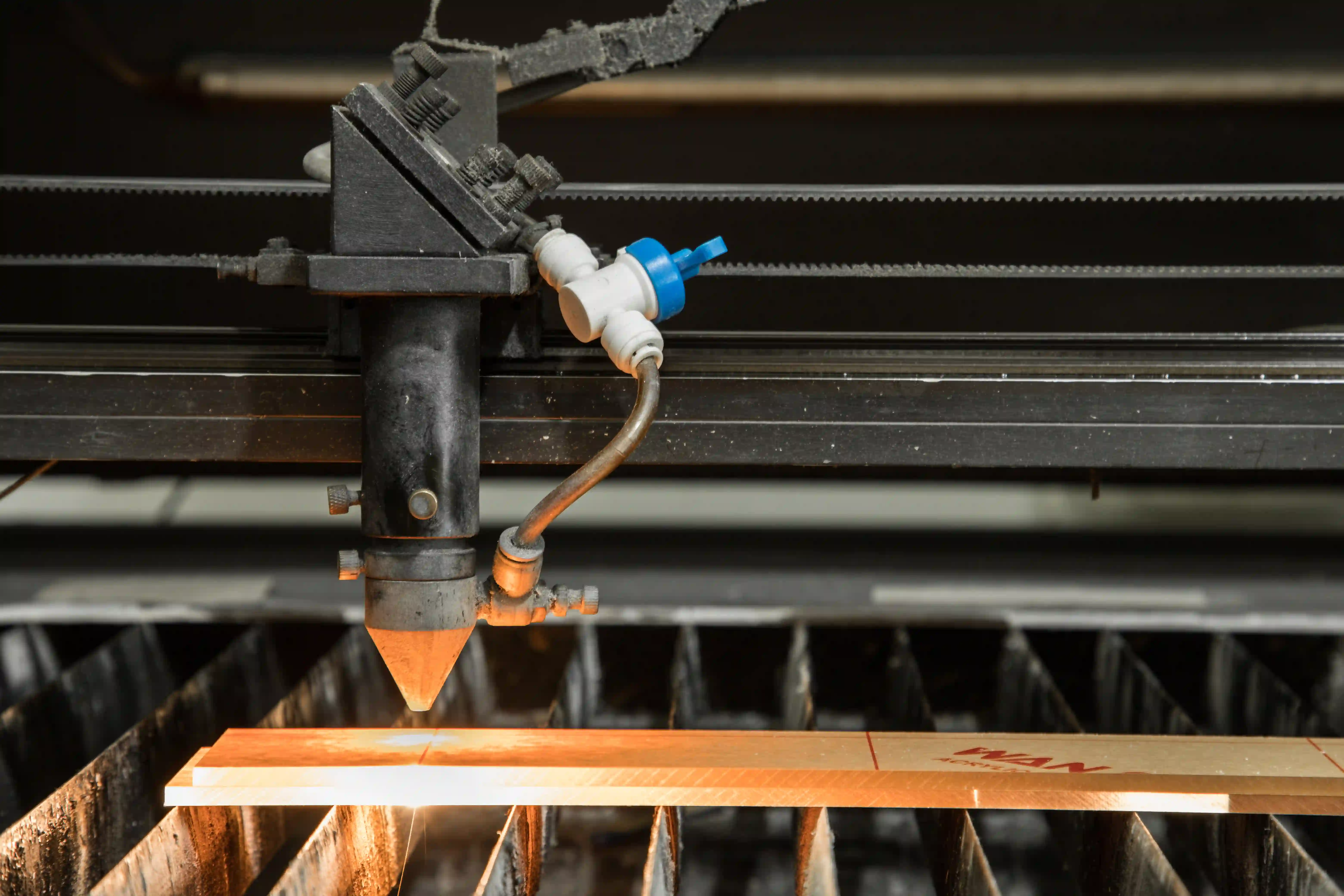
Laser Cutting
CO2 laser cutters follow programmed paths for flat profiles. Material grade, thickness, geometry, edge finish, and critical tolerance are confirmed on the drawing and test piece.
Capacity: 8 machines · Process window: drawing- and sample-approved
Best for: Detailed flat cuts, intricate patterns, sign holders, display panels
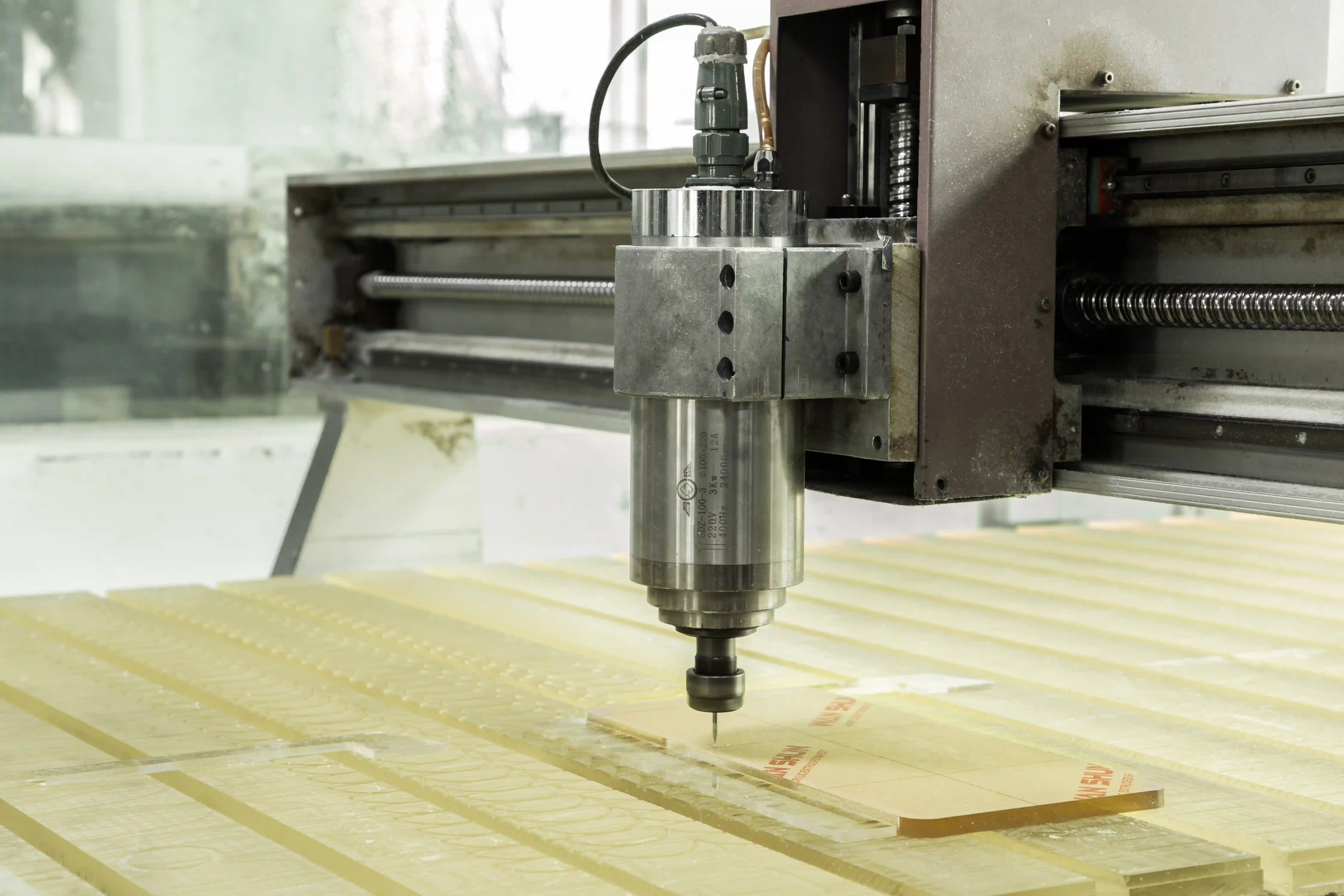
CNC Cutting & Machining
CNC routers carve through acrylic using spinning carbide-tipped bits. Handles thicker material than laser, cuts 3D profiles, and drills holes in a single setup.
Capacity: 4 machines · Process window: drawing- and sample-approved
Best for: Thick material, 3D profiles, drilling, blocks, trophies
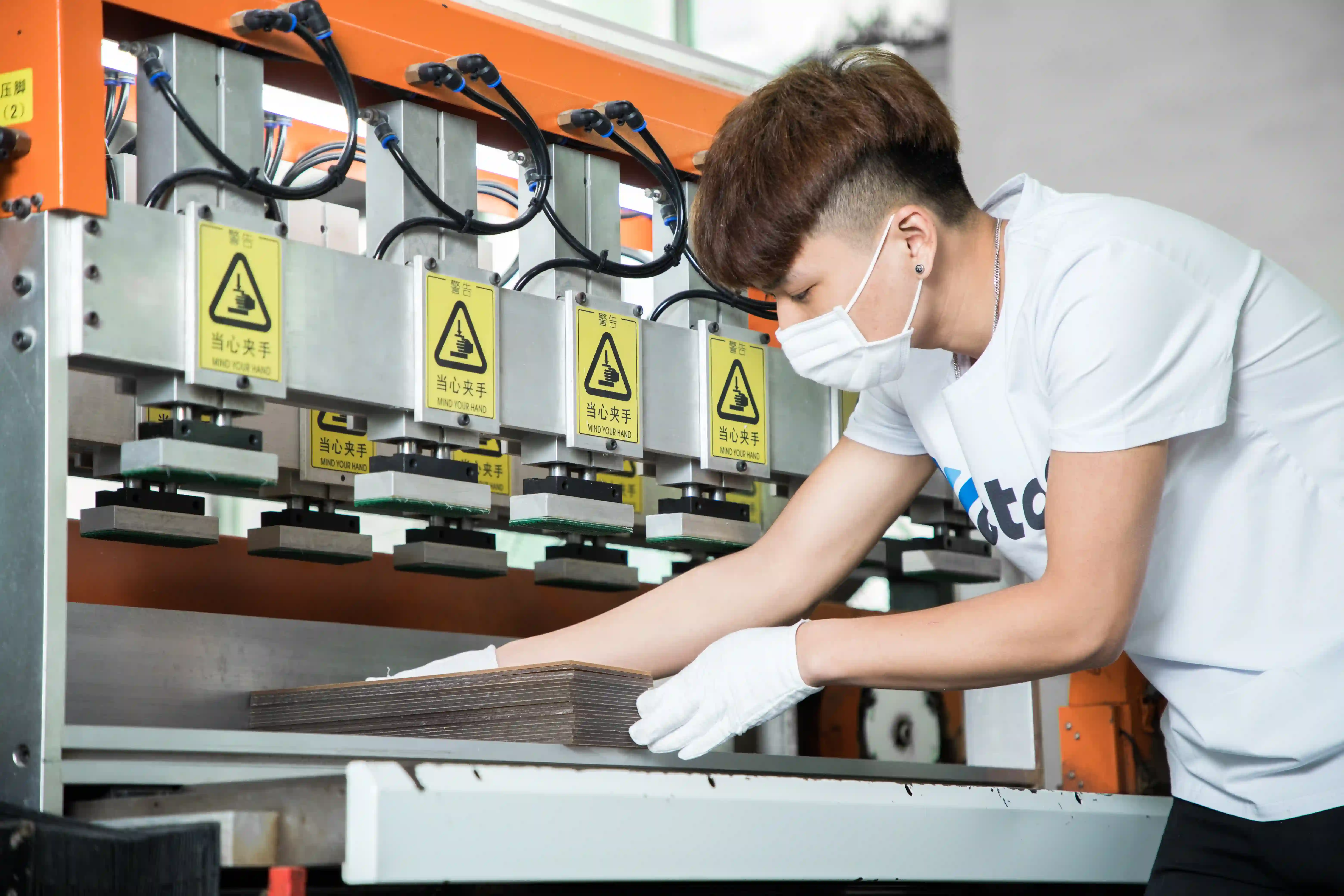
Diamond Polishing
Diamond polishing can produce a clear machined edge on suitable geometry. The approved sample defines the required appearance and any follow-up finishing.
Dedicated polishing line · Finish: sample-approved
Best for: Premium display cases, boxes with visible edges, award pieces
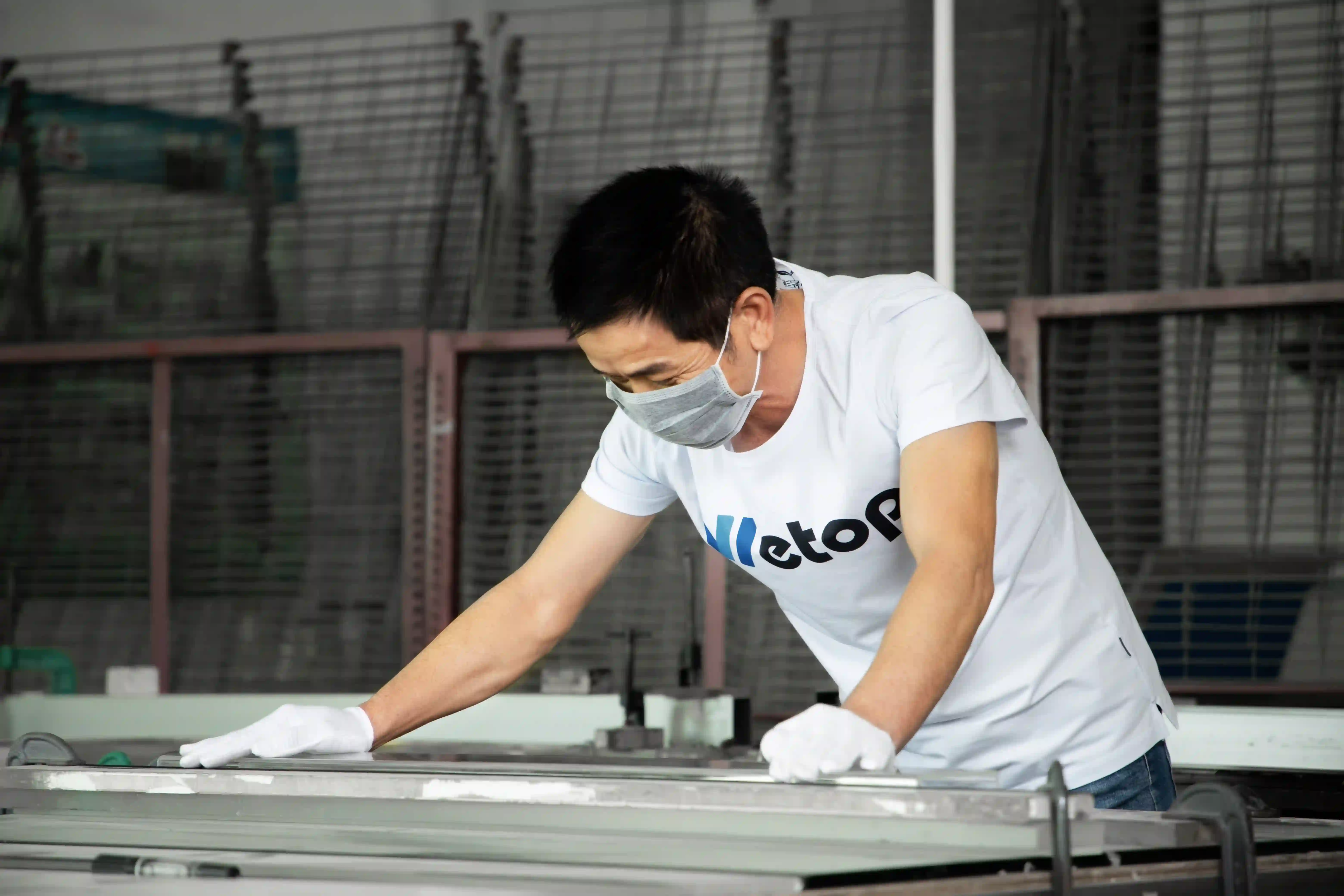
Thermoforming & Bending
Flat acrylic sheets can be heated and formed over molds or along bending lines. Grade, thickness, radius, tooling, and cooling method define the feasible result.
Forming window: named material, tooling, drawing, and sample
Best for: Curved displays, trays, organizers, brochure holders
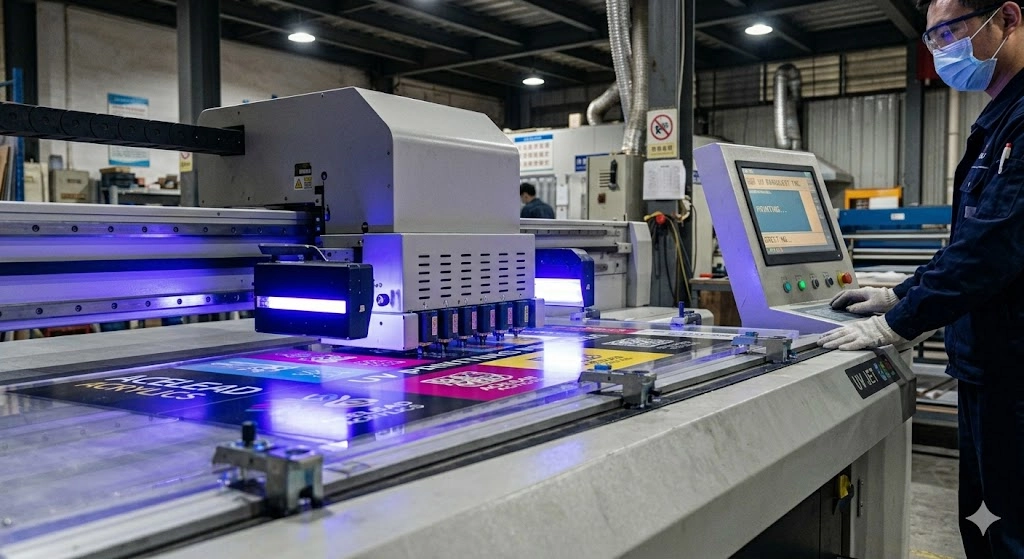
UV Printing
UV-curable ink is printed onto a prepared acrylic surface. Approve the named grade, pretreatment, ink stack, physical color target, register, and handling test on the sample.
Color and adhesion: project-specific acceptance criteria
Best for: Full-color branding, photo prints on acrylic, retail displays
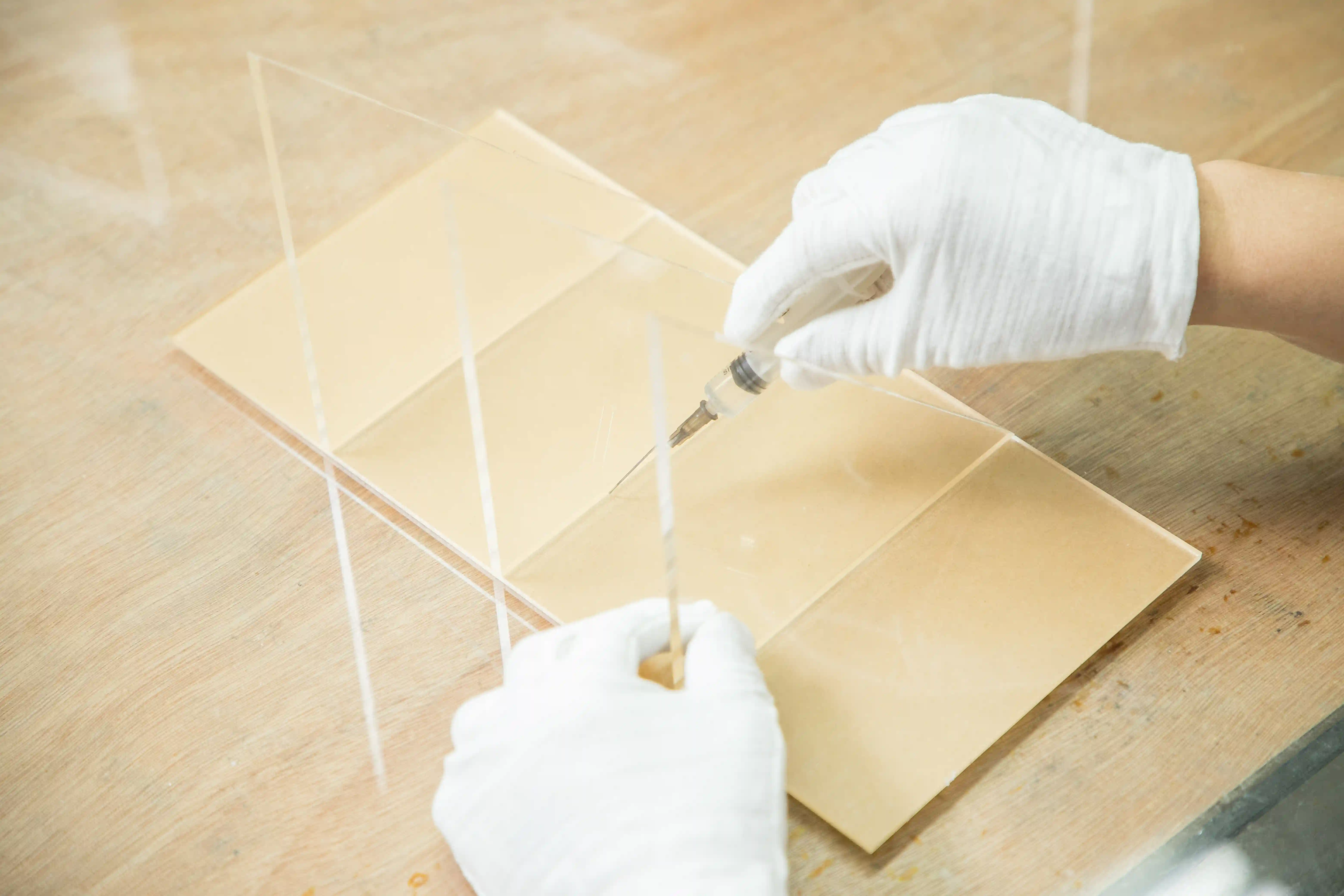
Assembly & Solvent Bonding
Multi-part products can use solvent bonding, mechanical fasteners, or magnetic closures. The approved drawing and sample define joint appearance, strength, access, and test evidence.
Methods: solvent, mechanical, magnetic · Acceptance: project-specific
Best for: Multi-part display cases, boxes with lids, complex assemblies
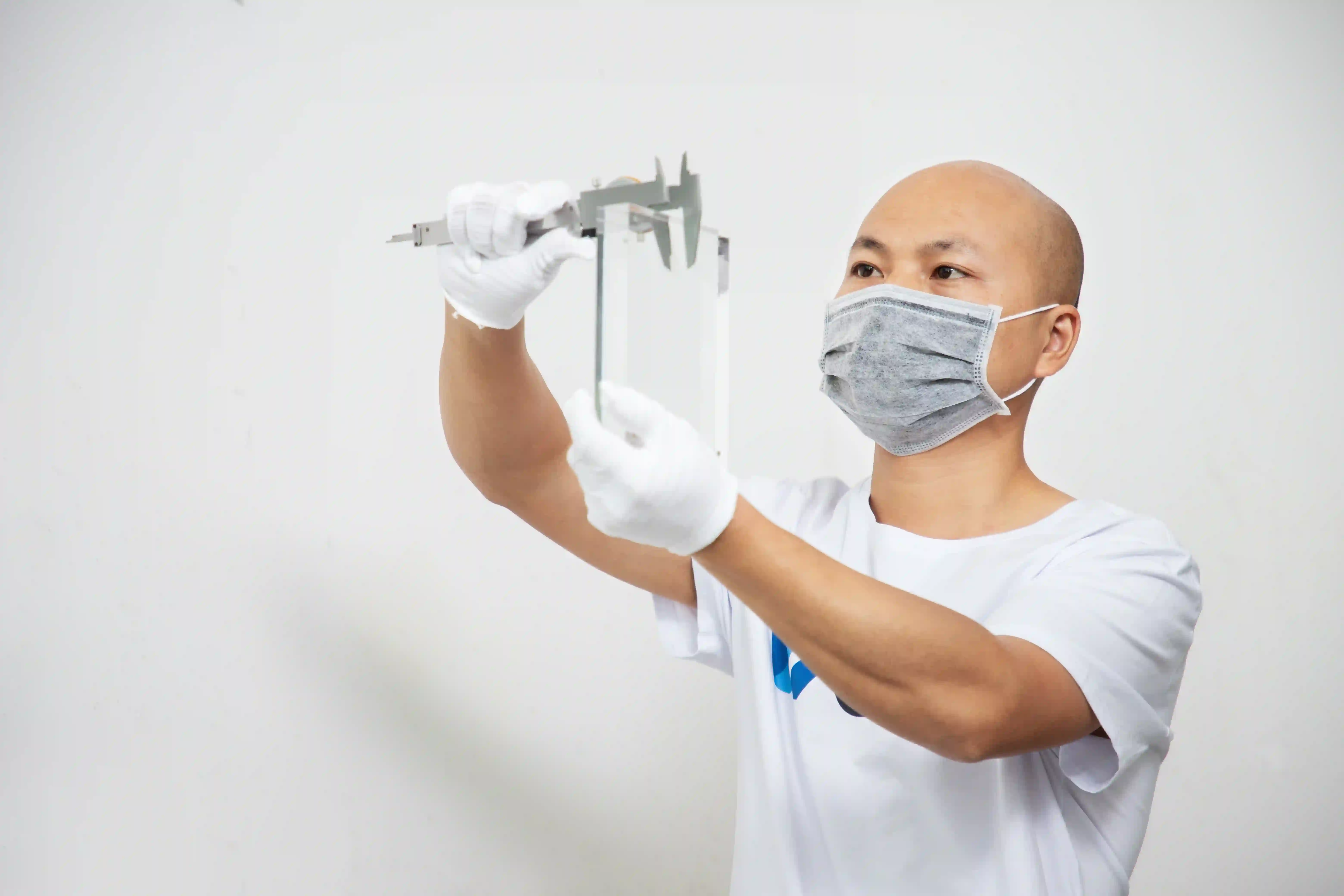
Every Piece. Every Order. Inspected.
Every product is inspected against the order's approved references for the applicable dimensions, surface quality, print alignment, and assembly criteria before packing.
The approved drawing and production-representative sample define the release standard.
Frequently Asked Questions
What manufacturing processes does Wetop use for acrylic products?
Wetop's 5,000 m² Shenzhen facility includes laser cutting, CNC cutting, polishing, bending, thermoforming, printing, engraving, bonding, assembly, and inspection capabilities. The quote identifies the processes, materials, and any sourced components required for the approved design. Review the heat-bending and thermoforming guide for forming inputs, or use the manufacturer-vetting guide to compare process evidence across suppliers.
What is the difference between laser cutting and CNC cutting for acrylic?
Laser cutting and CNC routing produce different kerfs, edge conditions, internal radii, and feasible profiles. We choose the named machine, material grade, thickness, toolpath, finish, and tolerance from the approved drawing and test piece rather than a universal thickness cutoff.
What surface finishes are available for acrylic products?
Diamond polishing is available for suitable straight-edge geometry when the approved finish calls for it. Flame polishing is used on selected edges where the material, geometry, and assembly method permit it. Surface finishes can include frosted, matte, and mirrored effects; the drawing and sample define which finish applies to each face and edge.
How do you print logos and graphics on acrylic?
We offer four printing methods. Silk-screen printing applies single or multi-color graphics with durable ink — best for logos and text. UV printing delivers photo-quality full-color images directly onto acrylic surfaces. Hot stamping applies metallic foil (gold, silver, custom colors) for premium branding. Laser engraving creates permanent, etched markings. Tell us the effect you want and we'll recommend the best method for your design.
How long does the manufacturing process take from start to finish?
For a standard custom order, production takes 15–20 days from approved sample to shipment. Samples are ready in 3–5 days. The exact timeline depends on product complexity, quantity, and finishing requirements — multi-part assemblies with diamond polishing and UV printing take longer than simple laser-cut panels. We provide a day-by-day timeline estimate with every quote.
How durable are solvent-bonded acrylic joints compared to bolted or glued assembly?
Solvent bonding and mechanical fastening have different load, appearance, service, and disassembly characteristics. The drawing, named PMMA grade, joint geometry, approved sample, and project-specific test plan determine the suitable method and acceptance criteria. See our quality control page for how inspection evidence is agreed before production.
After an approved sample, how long do production and shipping take?
Production takes 15–20 days from your written sample approval and the 30% deposit. Transit is planned separately after dispatch: regular sea about 35 days, fast sea about 25 days, air about 10–12 days and express courier 3–5 days, depending on the route, customs and final delivery. The quote confirms the service and named place.
What if the sample is good but needs changes, or the size is wrong?
Send one consolidated list of changes after checking fit, size, color, finish and packing together. We revise the drawing and make a revised sample in another 3–5 days; its fee is confirmed in writing before it is made. Production starts only from the sample version you approve in writing.
What must be confirmed before bulk production starts?
Five things: your written approval naming the sample version, the measured spec, locked artwork files, the confirmed quantity and packing, and the 30% deposit. The balance of 70% is due before shipment. The approved sample then stays on the inspection bench as the standard for the run.
Can part of my order ship first if I have a launch date?
Often, yes. Tell us at order confirmation which designs and quantities are urgent; the urgent part can ship first, usually by air, and the balance later by sea, each with its own packing list and invoice. Feasibility depends on each design's production and inspection status, and who pays any extra air freight is agreed in writing before it ships.
Do you keep stock for rush orders?
No. Every custom order is made to order, so the earliest ship date is the sample time (3–5 days) plus production (15–20 days) after approval. Send your need-by date with the RFQ and we confirm in the quote whether sea, air or a split shipment meets it. The lead time guide shows what adds days.
Can I change the artwork after placing the order?
Tell us as soon as you know. Before production starts, changed artwork goes back through proof approval and, if it changes the look, a new sample. Once production has started, we check what has already been cut or printed and confirm in writing what can still change, the cost and the new ship date before going ahead.
Published price point
Send the drawing into the production process
From $6 per unit at 500 pcs, FOB Shenzhen
Published point for a 150 × 100 × 100 mm case in 3 mm clear acrylic with a magnetic lid. It is a named product reference, not a process fee or a quote for every acrylic product.
Paid samples are quoted separately and are never credited to production.
Thank you!
We've received your inquiry. Our team will reply within 24 hours — usually faster.
You don't need to know all ten steps. We do.
Send your design, sketch, or just dimensions and a reference photo. We'll match the right combination of cutting, polishing, forming, and finishing — and explain what we picked.