

Delivered Project · Repeat Orders
A Repeat Display Stand without Revision Drift
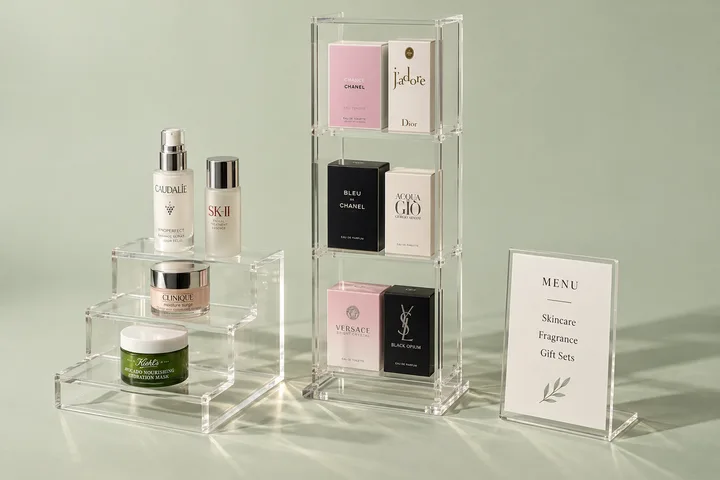
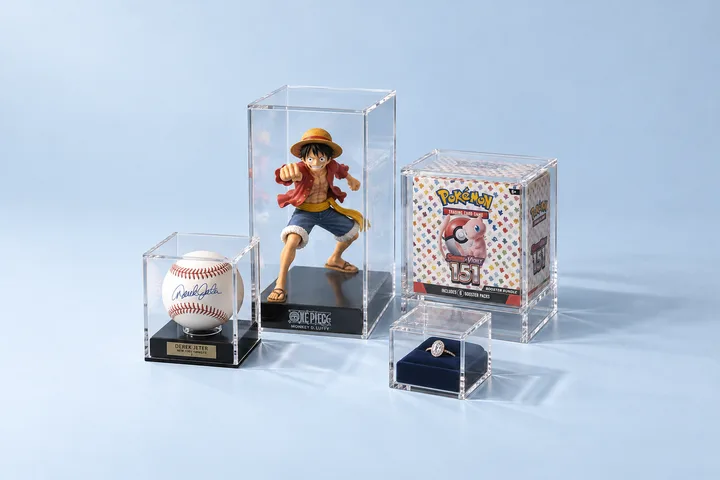
We reordered an acrylic retail stand from the prior drawing, artwork, approved sample, and packing file, reopening approval for every changed field.
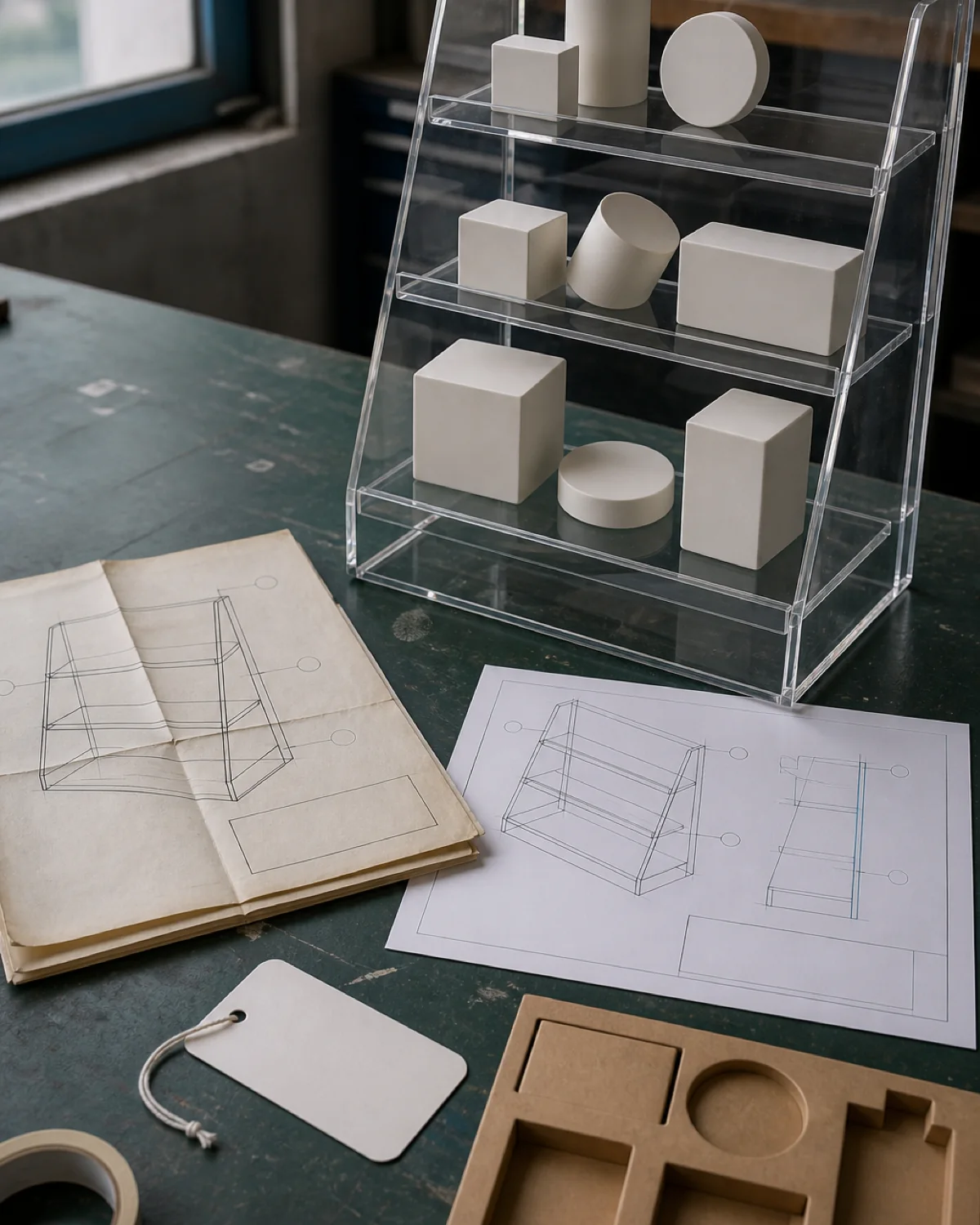
Ordering a similar project
MOQ is 100 pieces per design. Paid samples normally take 3–5 days; sample fees are paid separately and never credited. Standard production takes 15–20 days after drawing, material, artwork, packing, and sample approval. Wetop responds to a complete brief within 24 hours.
Different-specification price reference: the acrylic display manufacturer page publishes a two-tier countertop stand 250 × 180 × 220 mm, 5 mm clear, one-color UV logo: $28 each at 100 pcs, $16 at 500, $12 at 1,000 (FOB Shenzhen, published reference). That stand is a different specification and is not a quote for this repeat order.
Key Takeaways
- We started the repeat PO from the previous approved release package, not from memory or a product photo.
- We listed every changed and unchanged field before quoting and sampling.
- We reopened sample approval when geometry, fit, material, hardware, artwork, or packout changed.
- We used a first-off unit to verify the current setup against the active release.
- We archived superseded files clearly while keeping them available for traceability.
The Repeat-Order Question
A repeat PO creates a change-control risk because “same as before” can mean different things to purchasing, design, and production. We started the repeat stand from the prior approved drawing, artwork, sample, and packing record and identified every change since the previous production release.
The buyer needed to reorder a known stand without rebuilding the specification from emails, product photos, or memory.
Record Review
We compared the new PO with the previous order number, active drawing revision, artwork, approved sample, material and finish, hardware, quantity by version, packing, carton marks, and destination. We listed any difference in a change table and returned it to the buyer for approval.
A production-representative first-off unit then verified the setup against the retained release. When artwork, material, hardware, fit, or packing changes, the affected approval path reopens. A repeat label does not waive a necessary paid sample.
First-Off and Production Control
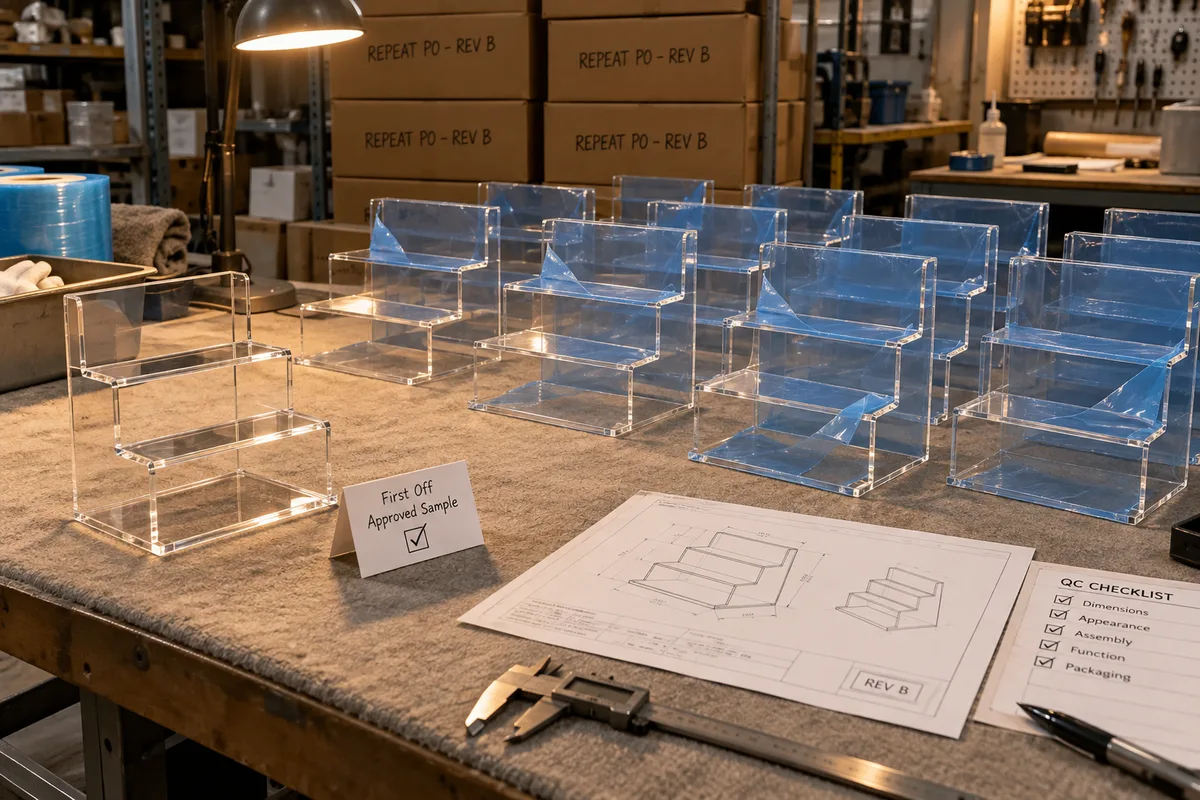
The first-off inspection checked critical dimensions, product fit, stability, bends or joints, edge finish, artwork revision and position, hardware, cosmetic boundary, and packout. We released the rest of the run only after the required checks passed.
We confirmed the repeat-order schedule against the current drawing, quantity, material, artwork, packing, and capacity before release.
Reorder File
The closed repeat-order file included the PO, active drawing, artwork proof, sample reference, material evidence, inspection report, approved deviations, packing specification, carton labels, and shipment record. Superseded files stayed archived but clearly inactive.
That file supports the next reorder and any service part. It also gives procurement a clean basis for current price comparison, because the supplier is pricing the same released scope rather than a family description.
Quote and Approval Sequence
A useful quote starts with a controlled brief rather than a family description. Send previous PO, active drawing, artwork, approved sample, material, finish, hardware, quantity by version, packout, carton marks, destination, and a field-by-field change list. We then return a drawing review, per-version quantity table, manufacturing notes, sampling route, packout assumptions, and the commercial fields that still need buyer approval.
The paid sample was the physical decision point. On this repeat order it confirmed all changed physical or visual fields, plus first-off confirmation of critical dimensions, fit, stability, edge finish, artwork revision, hardware, cosmetic limits, and packout. Approval identified the sample date or reference, active drawing revision, accepted deviations, and any buyer-controlled test conditions.
Production release followed only after the drawing, material, artwork, sample, quantity allocation, packing, price, and payment terms were approved in writing. A first-off inspection checked the production setup against that release. When the first-off exposed a mismatch, we corrected the affected operation before the lot continued.
Packout is part of the released product. The packout specification carried the retained packing specification, current labels, separated hardware, surface protection, carton quantities, and any destination-specific allocation introduced by the new PO. The written quote distinguished included factory packing from buyer-side retail packing, labeling, consolidation, or freight services.
Project Outcome
We built this delivered repeat order on our fabrication, printing, assembly, inspection, and export-packing capabilities.
The delivered outcome was a release package that procurement could review: one active drawing, one approved sample reference, a version and quantity table, clear acceptance checks, a packout specification, and a written commercial offer. That package made supplier comparison more specific and reduced avoidable interpretation between sample and production.
For a similar project, compare the quote against the same released scope. A lower figure is not comparable if it excludes artwork setup, hardware, assembly, inspection, protective packing, or a material grade that the approved sample requires. Our repeat-order change-control checklist provides the next technical checklist, while custom acrylic displays shows the commercial product route.
Buyer Release Checklist
Before approving production, procurement should be able to point to one current file for every decision. The release folder should contain the signed drawing, approved artwork proof, material and finish selection, sample reference, quantity by physical design and artwork version, acceptance notes, packing specification, carton labels, destination, Incoterm, and requested shipment timing. Verbal approvals and image-only chat messages should be transferred into that controlled record.
The buyer should also mark responsibility boundaries. Wetop controls the acrylic fabrication, agreed printing or assembly, inspection, and factory packout shown on the quote. The buyer controls the supplied product model, final artwork content, destination requirements, local installation, end-use review, and any regulatory or third-party test criteria not expressly included in the written offer. Naming those boundaries early prevents a capability statement from being mistaken for a product certification or site approval.
When a change arrives after sample approval, identify whether it affects geometry, material, finish, hardware, artwork, packing, quantity allocation, or timing. Wetop can price and schedule the changed scope after receiving the revised file. The earlier approval remains the reference for unchanged fields, but it does not authorize an unreviewed revision. This is also the point to update the first-off inspection sheet and carton labels before production continues.
Common Questions
Can production start from a photo or rough sketch?
A photo or sketch is enough for an initial feasibility discussion, but production needs a released drawing. Wetop prepares the production drawing from your dimensions and references for approval; the design itself stays with you. Buyer-controlled interfaces still require dimensions, physical samples, or controlled models before the paid sample is released.
Planning a similar custom acrylic program?
Send the drawing, quantity by version, product samples or models, artwork, packing requirement, destination, and target timing. We will return the open questions and a written manufacturing quote.
Paid samples in 3–5 days · Fees paid separately and never credited · Production in 15–20 days after approval · MOQ 100 pieces per design · Response within 24 hours