
Acrylic Stamp Blocks
For craft supply brands and stamp manufacturers supplying the retail market — not individual crafters. Bulk-manufactured to your spec.
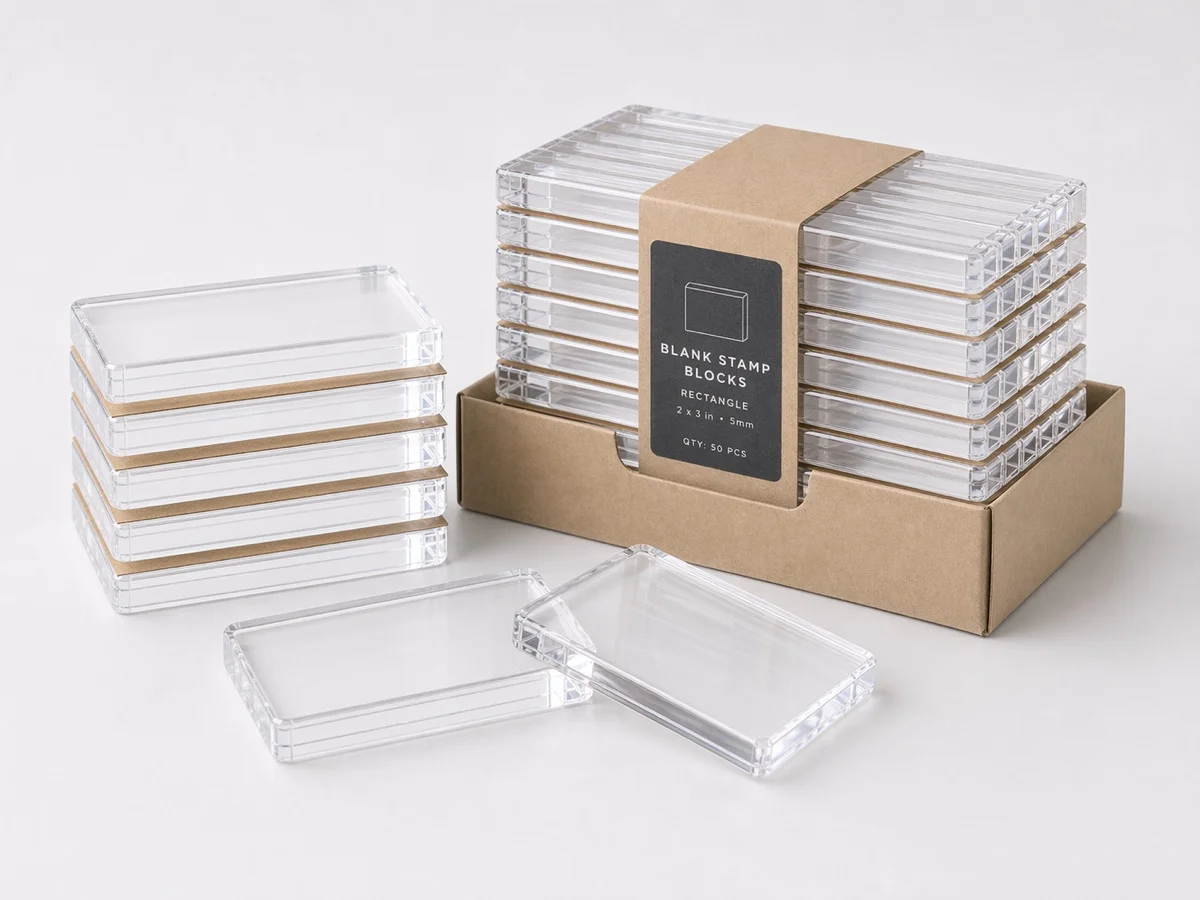
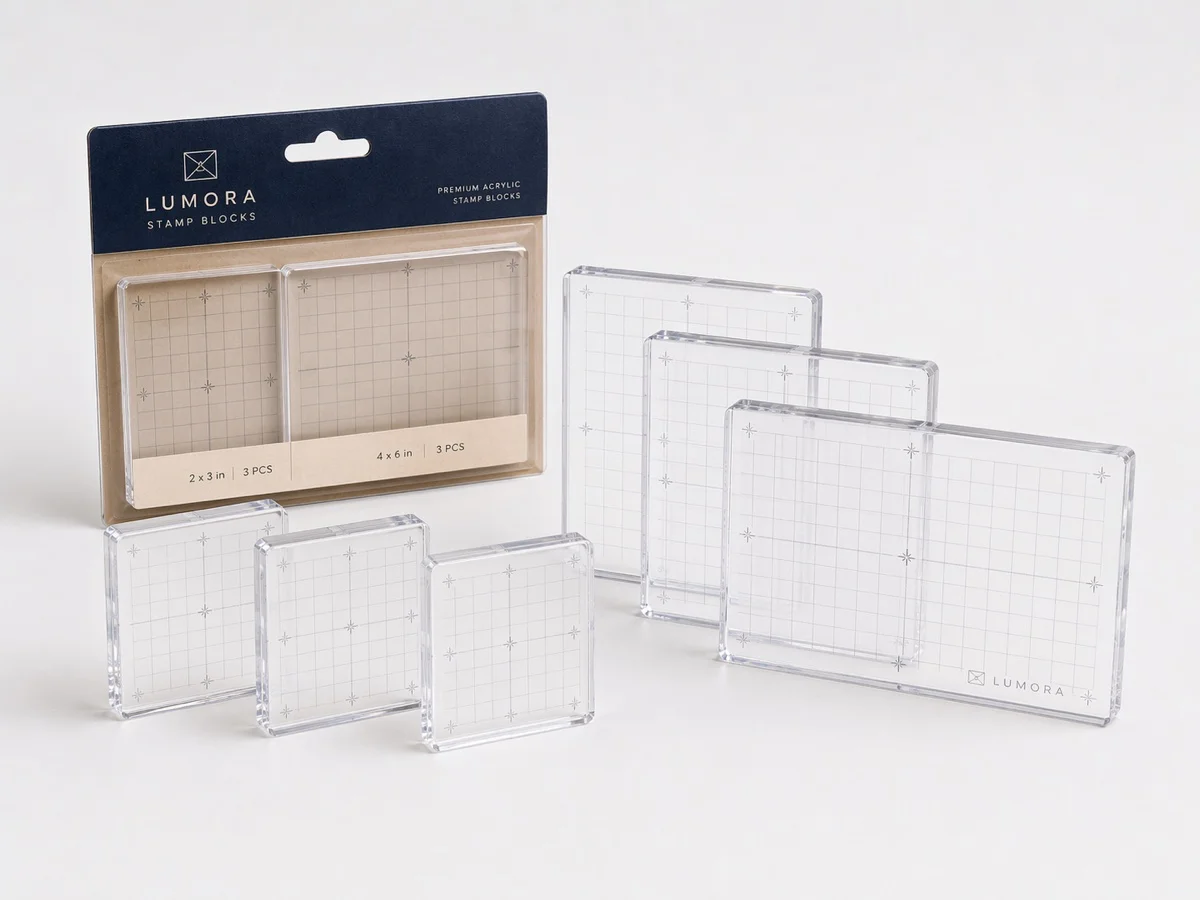
An acrylic stamp block is a clear PMMA platform used to mount rubber or photopolymer stamps, allowing the user to see the stamp pattern through the block for precise alignment on paper, fabric, or card stock before pressing. Wetop Acrylic manufactures custom acrylic stamp blocks — also called plexiglass stamp blocks or clear stamping blocks — in rectangular, round, and custom shapes for craft supply brands, stamp manufacturers, and stationery wholesalers. MOQ 50 pieces.
ISO 9001 Certified · 2,000+ Custom Projects · Diamond-Polished Edges · Samples in 3–5 Days
Find Your Stamp Block Format
Standard Rectangle
The most common format — fits standard stamp dies and retail packaging. 2×3", 4×6", and fully custom dimensions.
See size guide ›
Round & Oval
Circle and oval profiles for circular dies and sentiment stamps. Any diameter up to 100mm.
See size guide ›
Custom Shapes
Any die-cut profile: hexagon, arch, tag-shaped, brand-logo outline. Laser-cut or CNC to your supplied shape file.
See size guide ›
Multi-Size Stamp Block Sets
Bundled 2–4 size sets in a single order — popular for retail starter kits and branded stamp collections.
See size guide ›
Blank Bulk Blocks
Pre-cut, polished blocks with no branding — for brands applying their own cling foam and graphics in-house.
See size guide ›
Photo or Logo Blocks?
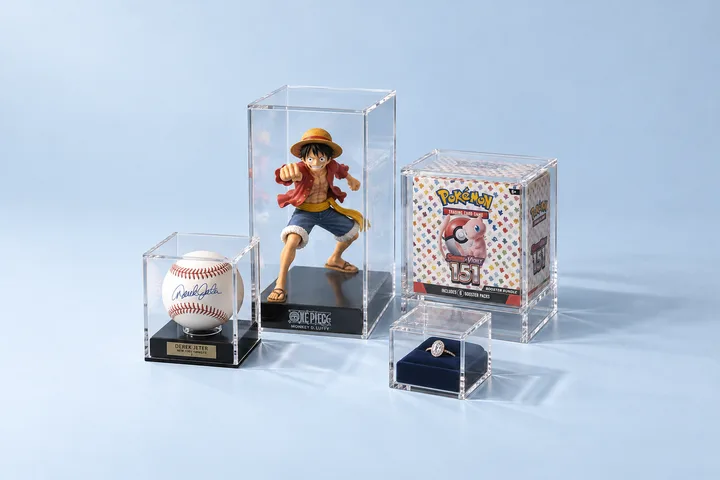
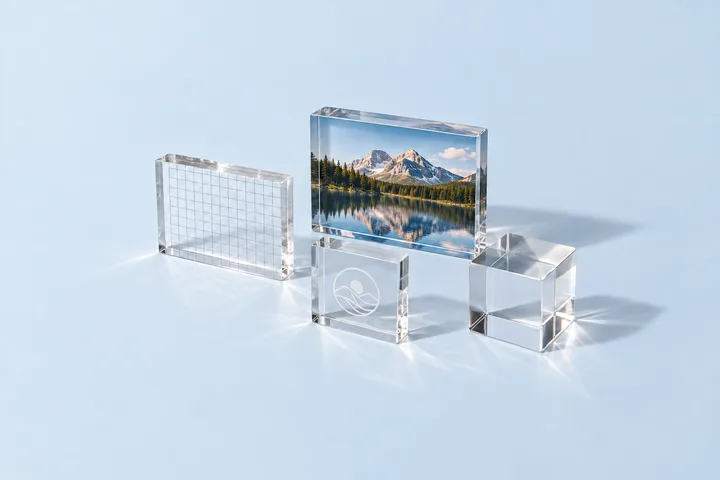
Decorative acrylic blocks for photography and corporate displays.
Acrylic Photo Blocks → ›Stamp Block Size & Thickness Guide
An acrylic block for stamps should match or slightly exceed the stamp die footprint — typically 3–5mm clearance per side. Thickness determines hand feel and structural rigidity: 3mm for lightweight tester blocks, 5–6mm for standard retail, 8–10mm for premium kits.
| Stamp Die Size | Recommended Block Size | Recommended Thickness | Best For |
|---|---|---|---|
| Up to 2×2" (50×50mm) | 2×2" (50×50mm) | 3mm | Tester sets, lightweight sample packs |
| 2×3" (50×76mm) | 2×3" (50×76mm) | 5mm | Standard retail stamp sets |
| 3×4" (76×102mm) | 3×4" (76×102mm) | 5mm | Greeting card, scrapbooking stamps |
| 4×6" (102×152mm) | 4×6" (102×152mm) | 6mm | Large background stamps |
| 6×4" (152×102mm) | 6×4" (152×102mm) | 6–8mm | Wide border and panoramic stamps |
| 6×9" (152×229mm) | 6×9" (152×229mm) | 8–10mm | Full-page background stamps |
| Custom / irregular | Die footprint +3–5mm | 5–8mm | Custom die-cut profiles |
All sizes fully customizable. Clearance (block overhanging the die) is a design preference — some brands prefer flush-edge fit, others 5–10mm overhang for better grip.
How a Stamp Block Assembly Works
The acrylic block is the handle — you hold it on top and look down through the clear material to see the stamp die pattern below. This see-through alignment is the entire reason acrylic replaced wood as the standard stamp block material.
Diamond polishing is standard on every stamp block — producing crystal-clear edges that catch and transmit light on 5mm and thicker blocks. On 3mm blocks, the edge is too thin to appreciate the polish, so we use flame polishing for a smooth, clean finish.
Why Craft Brands Choose Clear Acrylic Stamp Blocks
Clear acrylic stamp blocks let the user see the rubber stamp pattern through the block before pressing — the single most important functional advantage over wood or foam alternatives. That visibility means precise placement, cleaner stamped images, and fewer wasted sheets. For craft supply brands, it translates directly into fewer customer complaints and higher repeat purchase rates.
| Clear Acrylic | Wood | Foam | |
|---|---|---|---|
| See-through alignment | Yes — see die through block before pressing | No | No |
| Custom shapes | Laser-cut or CNC to any profile | Limited | Limited |
| Branding | Laser engrave or print directly on surface | Sticker or paint only | No |
| Durability | High — scratch-resistant, won't warp | Warps with moisture | Low — compresses over time |
| Weight | Lightweight (1.19 g/cm³) | Heavier | Very light but unstable |
| Edge finish | Diamond or flame polished — glass-like clarity | Cut edge only | No edge |
| Cost (bulk, 200+ pcs) | Mid-range | Similar | Lowest |
| Best for | Retail stamp sets, premium kits | Rustic/artisan craft brands | Low-cost tester giveaways |
Stamp blocks sold as "plexiglass stamp block" or "perspex stamp block" in European markets use the same clear PMMA material. Related guide: Clear vs Frosted vs Colored Acrylic
How to Mount Clear & Rubber Stamps on an Acrylic Block
To mount a clear or rubber stamp on an acrylic block, press the stamp's back onto the clean, flat block face — a clear photopolymer stamp clings by static and surface tack, while a rubber stamp mounts on a cling-foam layer. Then look down through the transparent block to line the design up on your paper, and press straight down with even pressure.
What an acrylic stamp block is
An acrylic stamp block is a clear, grippy mounting platform for stamps that have no handle of their own. Clear photopolymer stamps and cling-mounted rubber stamps arrive as flat, floppy dies — they need something rigid to sit on before you can ink and press them. The block does two jobs at once: it gives you a firm surface to grip and apply even pressure, and because it's transparent, it lets you see the stamp design through the block so you can place the image exactly where you want it. That see-through alignment is why clear acrylic replaced wood as the standard stamp block material.
How clear stamps vs rubber stamps hold on
Clear photopolymer stamps hold onto the block by themselves. The smooth, slightly tacky polymer clings to the polished acrylic surface through static and light surface tack — no glue, no foam. Press the stamp on, and it stays put through inking and stamping; peel it off afterward and it releases cleanly. Rubber stamps work differently: raw rubber has no cling, so it's mounted on a thin cling-foam layer (a repositionable foam sheet with adhesive on one side). The foam sticks to the block, the rubber die sticks to the foam, and both release without residue when you swap stamps. Keeping the block clean is what keeps either type sticking reliably.
Mount and stamp — step by step
Clean the block face
Wipe the mounting surface with mild soap and water and dry it fully. Dust, dried ink, or old adhesive stops a clear stamp from clinging and leaves gaps under a rubber die.
Press the stamp on
Lay a clear photopolymer stamp design-side out and smooth it onto the block — it clings on its own. For a rubber stamp, attach the cling foam to the block first, then press the rubber die onto the foam.
Align and press
Ink the stamp, then look straight down through the clear block to line the design up on your paper or fabric. Press straight down with even pressure, lift cleanly, and peel the stamp off when done.
Why clear blocks let you see the placement
Precise stamping depends on seeing where the design lands before it touches the paper. Because an acrylic block is optically clear, you hold it on top and sight straight down through the material to the stamp die underneath — the transparent block acts like a window over your work. You can register the image against a fold, a printed line, or a previously stamped element, then commit. Wood and foam blocks are opaque, so you stamp blind and hope; with a clear block you place the image exactly, which means cleaner prints and fewer wasted sheets.
Choosing block size and grid-lined vs plain
Match the block to the stamp: pick a block that equals or slightly exceeds the die footprint, with roughly 3–5mm of overhang per side for a comfortable grip. A block smaller than the stamp leaves the edges unsupported and prints unevenly. Some blocks are printed or etched with a fine alignment grid; the grid lines help you position a stamp squarely and center it on the block, which is useful for lettering and repeat patterns. Plain blocks give the clearest, most unobstructed view of the design and are the common choice where pure see-through alignment matters most. Both work — the grid is a placement aid, not a requirement.
Caring for acrylic stamp blocks
Wash the block with mild soap and warm water to lift ink and adhesive residue, then dry it before the next use — a clean surface is what keeps clear and cling stamps sticking. Avoid alcohol, acetone, and other harsh solvents: they can fog or craze acrylic and dull the polished clarity you rely on for alignment. Store blocks away from direct heat and sunlight, and keep clear stamps on their backing sheet rather than left on the block, so the cling surface stays tacky for the next project.
Stamp Block Projects We've Built
Recent stamp block production runs from our Shenzhen factory.
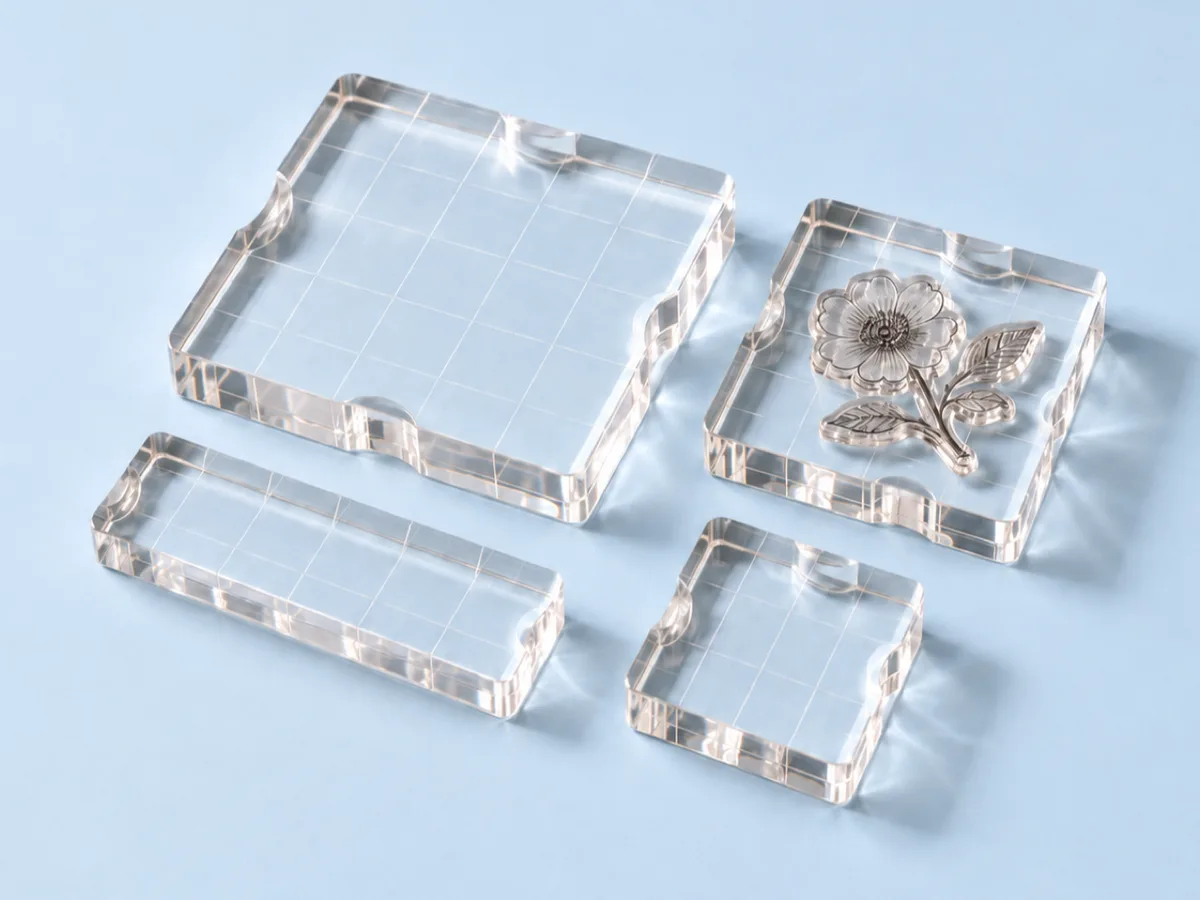
Rectangular Stamp Block Sets
2,000 units · 5mm clear PMMA · Diamond-polished edges · Retail bags with header cards
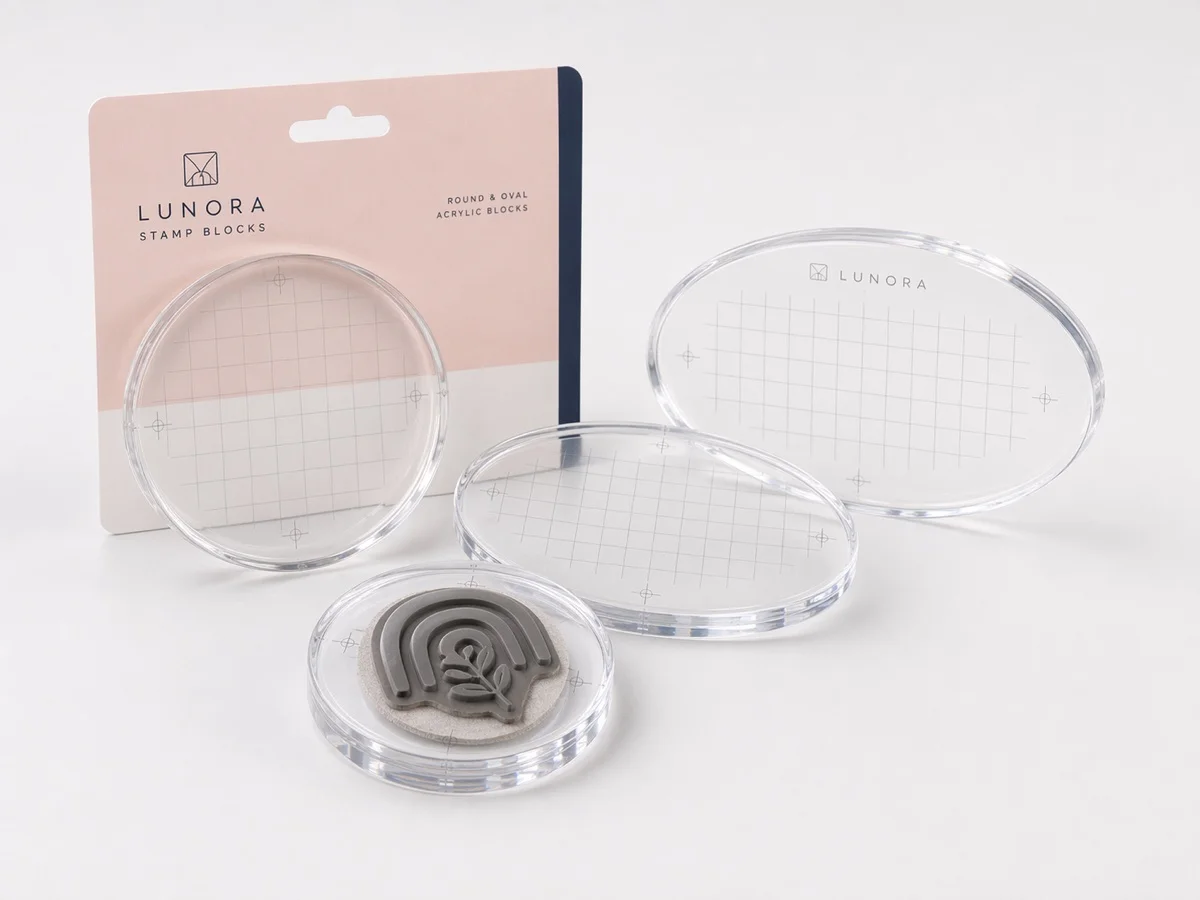
Round Stamp Blocks
800 units · 3mm clear acrylic · Pre-applied cling foam · Flame-polished edges · Branded cardboard sleeve packaging
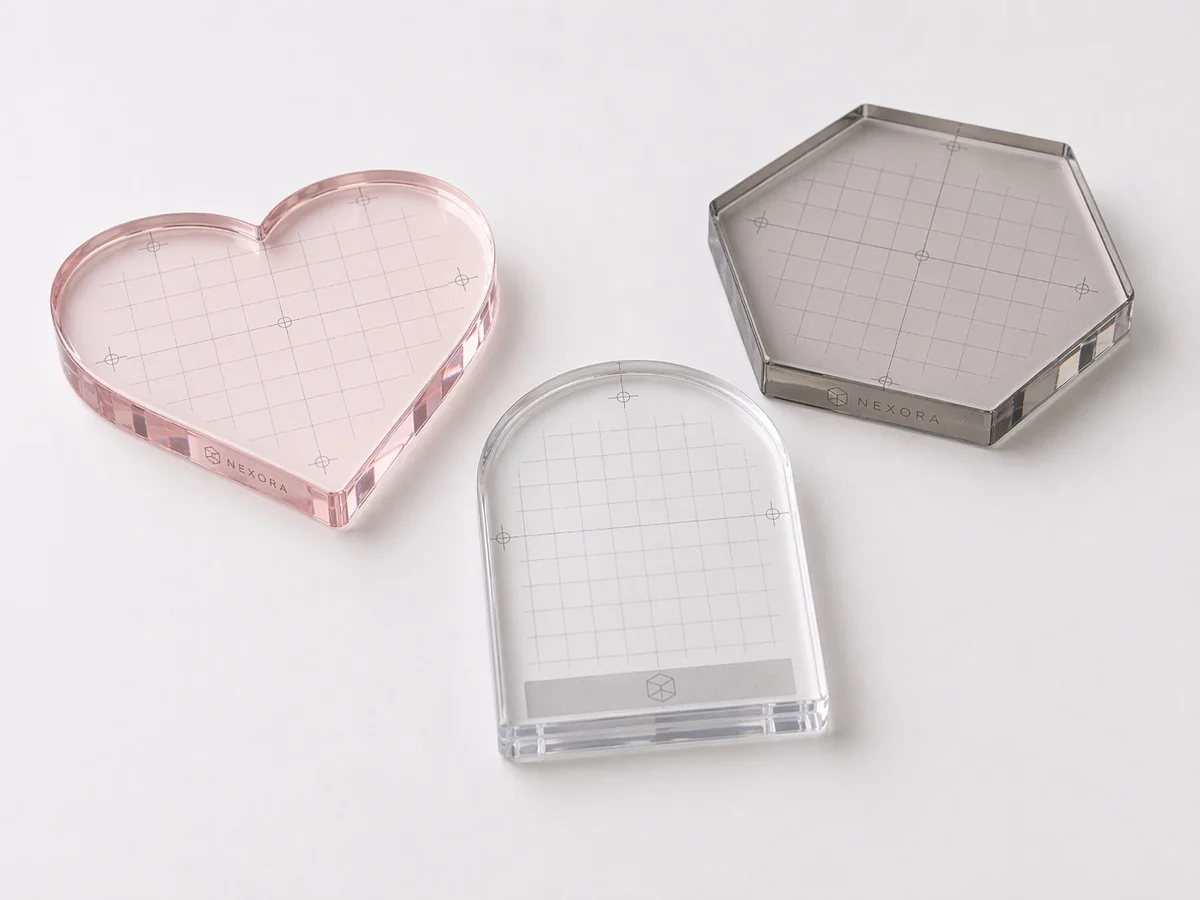
Custom Shape Stamp Blocks
1,200 units (heart, hexagon, arch profiles) · 5mm clear acrylic · Laser-engraved brand logo strip · Diamond polished
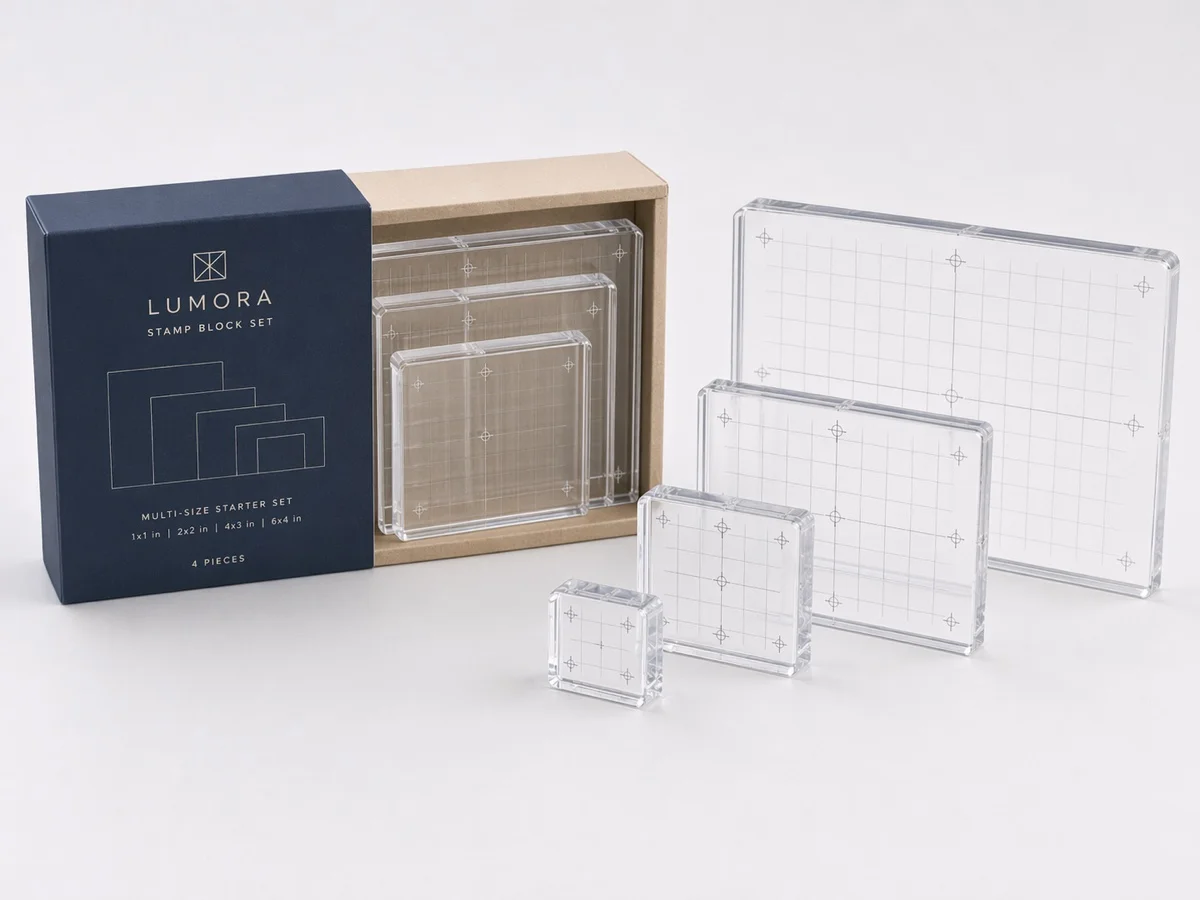
Multi-Size Stamp Block Sets
600 sets × 4 sizes (1×1", 2×2", 4×3", 6×4") · 5mm clear acrylic · Printed cardboard sleeve retail packaging
Have a similar project?
Send Us Your IdeaWe've been ordering stamp blocks from Wetop for three years. Eight-plus production runs in, every batch still matches the approved sample. That consistency is what we needed to scale our retail distribution.
Who Orders Custom Acrylic Stamp Blocks?
Acrylic stamp blocks are ordered by craft supply brands, stationery wholesalers, independent stamp makers, and scrapbooking kit companies — businesses that need consistent quality at volume, not one-off crafters buying single blocks from a craft store.
Craft Supply Brands
Retail-packaged stamp block lines for craft stores and online channels. OEM supply for brands selling under their own label — private labeling, custom retail packaging, and consistent batch quality across reorders.
Stationery Wholesalers
Bulk blank blocks in standard sizes for distribution to retailers, print shops, and craft studios. Typically 200–2,000 units per size per order. Need consistent dimensions and edge quality across every batch.
Indie Stamp Makers
Small-batch custom shapes with brand logo engraving. Hexagonal, arch, and tag-shaped blocks that match their stamp die collections. MOQ 50 pieces makes small runs viable for emerging brands.
Scrapbooking & Craft Kit Brands
Multi-size stamp block sets bundled into retail kits. 2–4 block sizes per set with printed cardboard sleeve packaging. Popular for gift sets and seasonal collections.
What Affects Acrylic Stamp Block Pricing?
Custom acrylic stamp block pricing depends on four factors: acrylic thickness, block size, shape complexity, and order quantity. Diamond polishing is included on every block. We don't publish fixed price lists because every order is custom — but here's what moves the number so you can plan your budget accurately.
Acrylic Thickness
The biggest variable. A 10mm block uses more than 3× the material of a 3mm block. Most retail stamp blocks use 5–6mm — the sweet spot of hand feel and cost.
Block Size
Moving from a 2×3" block to a 4×6" block roughly doubles material per unit. Multi-size sets are priced by total acrylic area across all sizes.
Shape Complexity
Rectangles and circles are most cost-efficient. Custom die-cut shapes require additional CNC/laser setup — a per-project cost that spreads across order quantity.
Order Quantity
The biggest per-unit price drop falls between 50 and 200 pieces. Above 500, cost continues to decrease at a smaller incremental rate.
How to Order Custom Acrylic Stamp Blocks
From your first message to delivered stamp blocks — 3 steps.
Send Your Stamp Block Specs
Tell us the block size, shape, thickness, edge finish preference, quantity, and any branding or packaging requirements. No CAD file needed — a sketch, reference photo, or a few dimensions is enough. If you're unsure about thickness, send us your stamp die dimensions and we'll recommend the right build.
We respond within 24 hoursApprove a Sample
We produce a production-grade sample for your review. What you approve is exactly what we manufacture — same acrylic, same thickness, same edge finish, same branding. Sample cost is credited to your first bulk order.
Sample ready in 3–5 daysReceive Your Order
Every stamp block passes 100% inspection against your approved sample before packing. Retail packaging (if ordered) ships in the same shipment. FOB Shenzhen; CIF and DDP available.
Production in 15–20 daysFrequently Asked Questions
Do you offer grip texture on acrylic stamp blocks?
Yes. We offer three grip options: smooth polished sides (standard), fine sandblasting on the side faces for a matte non-slip grip, and laser-etched grip strips across the top surface. Grip texture prevents the block from slipping during repeated use and is popular with brands whose customers stamp at high volume. MOQ for grip-texture variants is the same 50 pieces as smooth blocks.
How does cling foam attach to an acrylic stamp block?
Cling foam (repositionable foam mounting sheet) adheres to the flat underside of the acrylic block using the foam's own pressure-sensitive adhesive layer — no additional glue needed. The foam grips the rubber or photopolymer stamp die during use and releases cleanly when swapped. We supply blocks with pre-applied cling foam for brands that want a ready-to-use product, or blank blocks for brands that apply their own foam in-house.
Can you package acrylic stamp blocks for retail resale?
Yes. Three retail packaging options: individual clear bags with header cards (for hanging display), printed cardboard sleeves with product info (most popular for craft store shelves), and branded gift boxes for premium stamp sets. Retail packaging is produced alongside the blocks — same factory, same shipment. MOQ for custom retail packaging is 200 pieces. We coordinate both in a single order.
What affects the price of acrylic stamp blocks?
Four factors: acrylic thickness (3mm vs 10mm is the biggest variable — thicker uses more material), block size (larger footprints use more material and cutting time), shape complexity (rectangles are simplest; custom die-cut shapes need additional CNC or laser setup), and order quantity (biggest price break falls between 50 and 200 pieces). Diamond polishing is included on every block. For an exact quote, send us your block dimensions, thickness, shape, and quantity.
Do I need an acrylic block to use clear stamps?
Yes — clear photopolymer and cling stamps have no handle of their own, so they need a rigid clear block to mount on before you can ink and press them. The stamp clings to the block by static or slight surface tack; the block gives you something firm to grip and, because it's transparent, lets you see exactly where the design lands. Rubber stamps mounted on cling foam need a block for the same reason. Without a block you can't apply even pressure or place the image accurately.
What size acrylic stamp block do I need?
Choose a block that matches or slightly exceeds your stamp die's footprint — a 3–5mm overhang on each side is a common, comfortable margin. A block smaller than the stamp leaves the edges unsupported and prints unevenly; one much larger is harder to control. For brands producing sets, offering 2–4 block sizes covers most stamp dimensions. See the size and thickness guide above for exact block-to-die pairings.
How do I clean and store acrylic stamp blocks?
Wash the block with mild soap and warm water to remove ink and adhesive residue, then dry it fully before the next use — clean surfaces keep clear and cling stamps sticking properly. Avoid alcohol, acetone, and harsh solvents, which can fog or craze acrylic over time. Store blocks flat or upright away from direct heat and sunlight. Keep clear stamps on their storage sheet, not left on the block, so the cling surface stays tacky.
Have a Stamp Block Design? Let's Quote It.
Send us your block dimensions, thickness, shape, and quantity. We respond within 24 hours with a detailed quote — configuration recommendation, edge finish options, and timeline. No commitment required. Sample before you commit to production.