
Delivered project · Education / Universities · United States
University Trophy Display Case Study
We delivered a non-electrical, lockable acrylic trophy display for a university athletics program.

The buyer retained authority over the named material grade, access hardware, conservation requirements, installation method, graphics, and local facility approval.
Ordering a similar project
This project covers a non-electrical lockable trophy display. MOQ is 100 pieces per design. Paid samples normally take 3–5 days; sample fees are paid separately and never credited. Standard production takes 15–20 days after buyer approval of the drawing, material, hardware, finish, inspection method, and packing plan.
Different-spec price comparator: a 600 × 400 × 1000 mm lockable case in 8 mm clear acrylic is listed from $60 per piece at 100 pieces on theacrylic cases hub. That reference is not a quote for this trophy-display configuration; material grade, hardware, interior fittings, packing, and delivery terms require a project quote.
Key Takeaways
- The buyer approved the named sheet grade, supplier data, lock format, key-control plan, mounting method and local facility requirements before we released production.
- The delivered scope was non-electrical; powered lighting, drivers, wiring, certification and site electrical work stayed excluded.
- The paid sample confirmed visible edges, access hardware, graphics, fit and packing before we released production.
- A repeat order requires the same approved drawing revision, material, hardware, finish, packing method and inspection criteria.
The Brief
The university athletics program came to us with the object list, case locations, access needs, mounting surfaces, sightlines, graphics, cleaning practice and facility constraints. This page documents how those inputs became the controlled manufacturing specification we built from.
The buyer, its facilities team and the appointed conservator decided the acceptance requirements. We manufactured to the approved drawing and named inputs, and we did not assign a service life, conservation rating, security rating or regulatory status to the finished display.
- Object and material authority. The buyer provided the object inventory, sensitivities, loads, approved sheet grade, supplier documents, and the required third-party test method.
- Access control. The buyer selected the lock format, key-control plan, service opening and permitted fasteners, and took responsibility for managing keys after receipt.
- Site interface. The buyer confirmed plinth geometry, anchoring, wall and floor conditions, clearances, installation responsibility, and local facility approval. The manufacturing scope excluded powered lighting and site electrical work.
What We Recommended
We started with a non-electrical lockable enclosure and treated every performance-sensitive input as a named, buyer-approved line item. The sample proved fit, visible edge finish, access, graphics, assembly and packing before we released the production order.
Buyer-approved transparent sheet
The quotation recorded the manufacturer, grade, thickness, color, finish and supplier documentation for the proposed sheet. Where light-transmission or ultraviolet performance mattered, the buyer approved the named supplier data or an agreed independent test; we did not treat generic terms such as “UV grade” as acceptance criteria.
Buyer-selected lock and key-control plan
Keyed, keyed-alike or separately keyed hardware was quoted after the buyer confirmed its access policy. The sample checked cylinder operation, door clearance, service access and the permitted method for attaching the frame or enclosure. The lock was an access feature, not a certified security system.
Non-electrical top frame and interior fittings
The top frame carried a non-powered trim detail, and removable plaques, supports and risers were defined by the approved drawing. The buyer supplied object dimensions and loads so we could sample the proposed support geometry. Building lighting stayed with the buyer's facilities team on this order.
| Direction | Required buyer input | Sample check | Release evidence |
|---|---|---|---|
| Transparent sheet | Named maker, grade, thickness, finish | Appearance, fit, edge finish | Approved sample and supplier documents |
| Access hardware | Lock format, keying, door clearance | Operation and service access | Approved hardware schedule and sample |
| Interior fittings | Object sizes, loads, plaque artwork | Fit, visibility, removal method | Approved drawing and sample |
The Spec, Layer by Layer
The drawing separated the transparent enclosure, lockable frame, removable plaque and object fitting, and installation interface. Dimensions in the released drawing were quote-specific; the diagram below identifies decision points rather than a production specification.
The controlled drawing also stated the opening direction, removable-panel sequence, permitted gaps, visible-edge finish, lock position, plaque artwork area, object clearances, contact points, and packing orientation. Where the buyer needed a material-performance threshold, the purchase specification named the measurement method, acceptable evidence, and approving party. We retained the resulting revision for repeat quotation, and a new object, site, material or access requirement triggers a drawing review.
Production and Approval Controls
Production ran 15–20 days after the drawing, sample, material, hardware, graphics and packing were approved. The production record named the sheet grade, thickness, finish, lock SKU, keying schedule, fitting geometry, tolerances, inspection points, and packing method. Any requested performance document or independent test was agreed before quotation.
We matched the release checks to the approved sample and drawing:
- Material and appearance. We confirmed the named sheet against purchasing documents and compared color, clarity, finish, visible edges, and graphics with the approved sample.
- Fit and operation. We checked critical dimensions, door and lock operation, fitting placement, assembly, and the agreed inspection sample size. This was not a burglary-resistance or conservation test.
Packing was also part of approval. The buyer confirmed labeling, accessory control, protection method, carton marks, and delivery terms before production packing began. Installation and site anchoring are quoted only when explicitly included in the approved scope.
The first paid sample was a purchasing checkpoint. The buyer recorded deviations, approved or rejected each requested change, and signed the final sample. Production inspection then used that same revision and agreed criteria. A visual sample cannot establish long-term conservation, structural, security or site performance; those requirements need separate buyer-approved evidence and professional review where applicable.
Installation and Site Handoff
Before purchase, the university provided site drawings or verified field dimensions, mounting-surface information, access routes, handling limits, and local installation requirements. The approved drawing distinguished factory-supplied parts from site-supplied anchors, tools, labor, and facility work.
At handoff, the buyer checked carton identity, visible condition, accessory count, lock operation, and fit against the approved sample and drawing.
The Results in Numbers
We closed the project on the release checklist for the trophy display.
Buyer decision point: approve the exact material evidence, access hardware, object-support geometry, installation interface, and packing method before releasing the production order.
Lessons for a Repeat Program
A repeat order is not automatically the same product. Keep the drawing revision, named material, hardware SKU and keying schedule, finish sample, artwork, packing method, and inspection criteria together as one approved specification set. Requote if any of those inputs change.
For material-selection questions, use thedisplay-case material and UV specification guideas a procurement checklist. Supplier documentation and an agreed test method, not a generic material label, determine whether a proposed grade meets the buyer’s requirement.
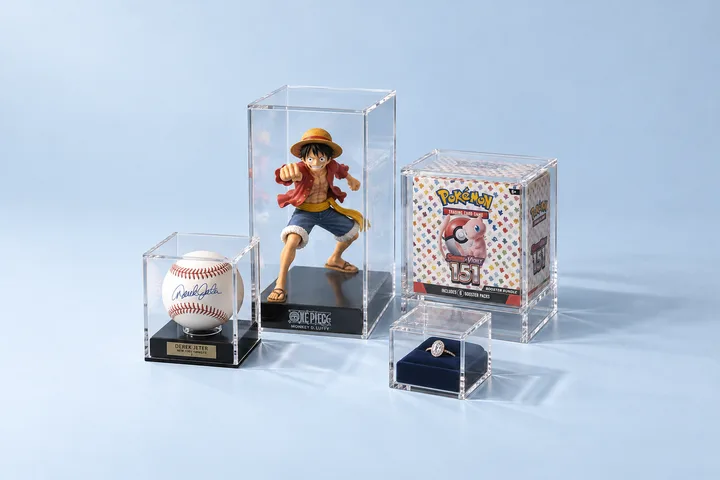
If the program includes retired jerseys, signed balls, plaques, or photographs, provide the object list and required clearances before sample construction. The same buyer-approval controls can be applied tosports memorabilia display cases.
Planning a university trophy display program?
Send the object list, site dimensions, buyer-approved material requirements, lock format, graphics, and packing brief. We will reply with DFM questions and a quote within 24 hours.