


Delivered project · Museums & Exhibitions
Museum Traveling Exhibit Cases
We delivered non-electrical acrylic cases for a traveling exhibit. The buyer and conservator approved the material grade, environmental limits, access, handling, and test evidence.
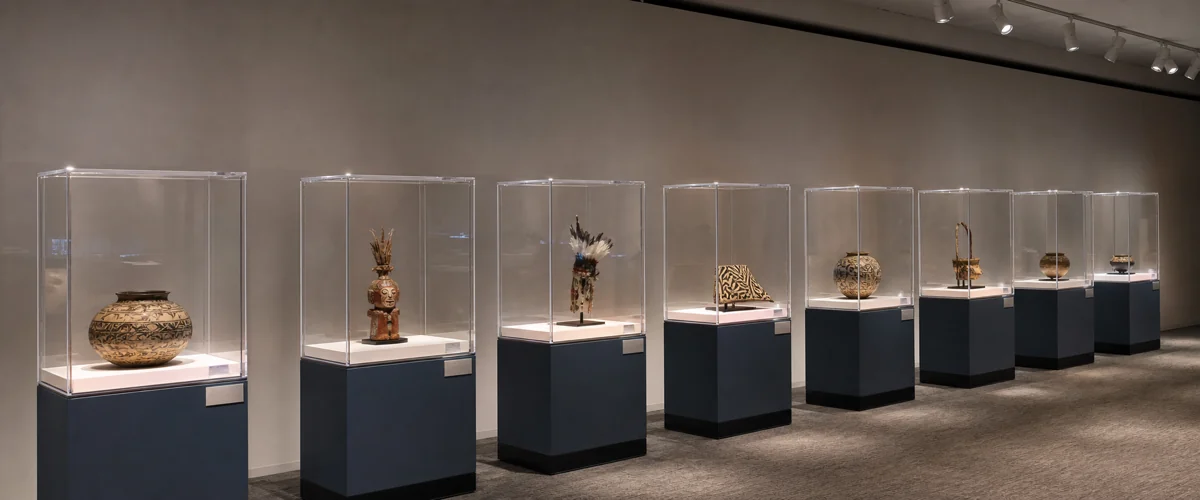
We converted those inputs into a drawing, paid sample, inspection plan, and crating specification.
- UV absorber range
- 380–400nm
- exhibit tour
- 4 months
Ordering a similar project
MOQ is 100 pieces per design. Paid samples normally take 3–5 days; sample fees are paid separately and never credited. Standard production takes 15–20 days after material, enclosure, access, inspection, packing, and sample approval. Wetop responds to a complete brief within 24 hours.
Different-spec price reference: the acrylic cases hub lists a $60 low-end FOB Shenzhen point at 100 pieces for a 600 × 400 × 1000 mm, 8 mm clear lockable floor case. A conservator-controlled traveling exhibit case has a different material, enclosure, access, and packing scope and requires its own quote.
Key Takeaways
- The conservator and buyer named the PMMA grade, coating, gasket, environmental target, test method, and acceptance limits.
- We fabricated and inspected to the approved files and did not label an assembly museum-grade or archival-grade.
- The paid sample checked fit, access, seams, finish, gasket interface, service features, handling, and packing.
- Lighting, powered conditioning, conservation policy, installation, and venue monitoring stayed with the museum and its venue teams on this order.
The Brief
The traveling exhibit case brief began with the artifacts, venue conditions, access method, handling plan, transport route, and conservation authority. The conservator supplied the permitted materials, exposure limits, environmental target, monitoring plan, and required test evidence. We did not assign those limits.
- Material control. The buyer named the acceptable PMMA grade, coating, adhesives, gasket, deck materials, and supplier documents after conservation review.
- Environmental control. The conservator defined the target, tolerances, monitoring method, service interval, and response plan. We fabricated the specified enclosure interface.
- Handling control. The buyer supplied venue openings, lifting limits, disassembly needs, crate orientation, vehicle constraints, and receiving procedure.
Our Recommendation
We built the quote around one buyer-approved material schedule and one controlled case drawing. Supplier datasheets supported each material claim. Where the conservator required test values, the quote named the test method, specimen, acceptance limit, report owner, and whether an independent lab was required.
UV-grade cast PMMA with 380–400nm absorber
The phrase "UV-grade" is not a complete specification. The buyer named the sheet SKU, thickness, relevant wavelength range, supplier test method, and acceptance value. We recorded those items on the quote and verified the material identity against the approved purchase and production records.
Material weight affects crating and venue handling, but finished weight follows the full construction. The buyer approved the calculated packed weight and lifting plan before the crate design was released.
Optional AR coating and buyer evidence
The anti-reflective coating was specified by named product and supplier data rather than a generic reflection percentage. The conservator and exhibition designer approved visual performance under representative lighting. We checked the approved sheet and sample for visible finish and handling marks.
| Configuration | Evidence | Buyer approval | Factory control |
|---|---|---|---|
| Standard cast PMMA, polished | Named supplier datasheet | Conservator accepted grade and thickness | Purchase and material identity record |
| Laminated glass with UV interlayer | Buyer-supplied glazing specification | Conservator accepted alternate material | Handled by the museum on this order |
| Named PMMA grade plus named coating | Representative sample and document review | Released material and finish specification |
Climate-sealed base with replaceable silica-gel buffer
A passive-buffer cavity was included to a conservator-approved design. The buyer specified the media, amount, conditioning procedure, target, monitoring, replacement interval, and service access. We claim no universal humidity range or duration for an untested enclosure.
The paid sample checked the gasket interface, access hatch, cassette fit, deck removal, and visible seams. Powered conditioning and venue monitoring remained outside this non-electrical project.
The Spec, Layer by Layer
The diagram shows the five-part enclosure stack. The buyer-approved drawing and material schedule controlled the actual construction.
The material record covered the glazing and any coating. The mechanical record covered the gasket, deck, joints, and access. The conservation plan covered the passive media and monitoring. We fabricated the approved interfaces; the conservator owns the artifact and environmental decisions.
Production and Crating
Standard production took 15–20 days after the drawing and paid sample were approved. We claim no internal accelerated-weathering or chamber-test program for this case. Where the buyer required laboratory data, the quote identified the named supplier report or independent test method before production.
Crating followed finished dimensions, weight, removable parts, lift points, route, handling equipment, and venue access. The buyer approved whether the case shipped assembled or in controlled modules. The paid sample and packing review established surface protection and restraint; no zero-damage promise applies to transport.
Spec sign-off package
The sign-off package included the released drawing, material and coating datasheets, gasket record, approved sample photos, inspection checklist, crate drawing, unpacking instructions, and the buyer-supplied conservation procedure. The buyer identified which documents each venue had to receive.
Install and 4-Month Tour
The museum and venue teams remained responsible for unpacking, installation, condition checks, artifact mounting, environmental monitoring, access control, and repacking between venues.
Receiving inspection compared the case with the approved drawing, material identity, finish, gasket, access, deck, service cavity, protective film, crate orientation, and document package before artifacts entered.
The conservator set the passive-media conditioning and replacement procedure. Venue staff recorded the media state and monitored conditions according to that plan. We do not infer a service interval from the cavity dimensions alone.
Buyer decision point: the conservator approves the named material, enclosure, access, environmental plan, evidence package, and crate before production.
Lessons and the Permanent Collection Expansion
A repeat case can use the same files only when the artifact envelope, material schedule, enclosure, access, deck, passive-media interface, handling, and crating remain unchanged. A new venue constraint or conservation limit requires a new review and drawing revision.
Send the artifact envelope, conservator's material and environmental requirements, venue conditions, access, handling route, quantity, destination, and crate constraints. The museum display-case specification guide lists the buyer inputs that should be fixed before quotation. We can then quote one controlled non-electrical construction without claiming conservation performance beyond the approved evidence.
Planning a museum traveling exhibit case order?
Send the conservator's material and environmental requirements, artifact envelope, venue conditions, access method, handling route, quantity, and crating constraints for a manufacturing review and quote.