Cam Lock
flat-key cylinder with a rotating cam plate that catches the door frame. Lowest profile, lowest cost, most-installed lock on our cases. Pick-resistance: low, basic deterrent. Best for retail rollouts, keyed-alike chains.
Theft-deterrent, tamper-evident cases for jewelry, watch, pharmacy, dispensary and collectibles retailers, from 100 pieces per design. Pick the lock to match the threat.
Reference price Floor-standing from $60–120 at 100 pcs See prices
Get a Lockable Display Case Quote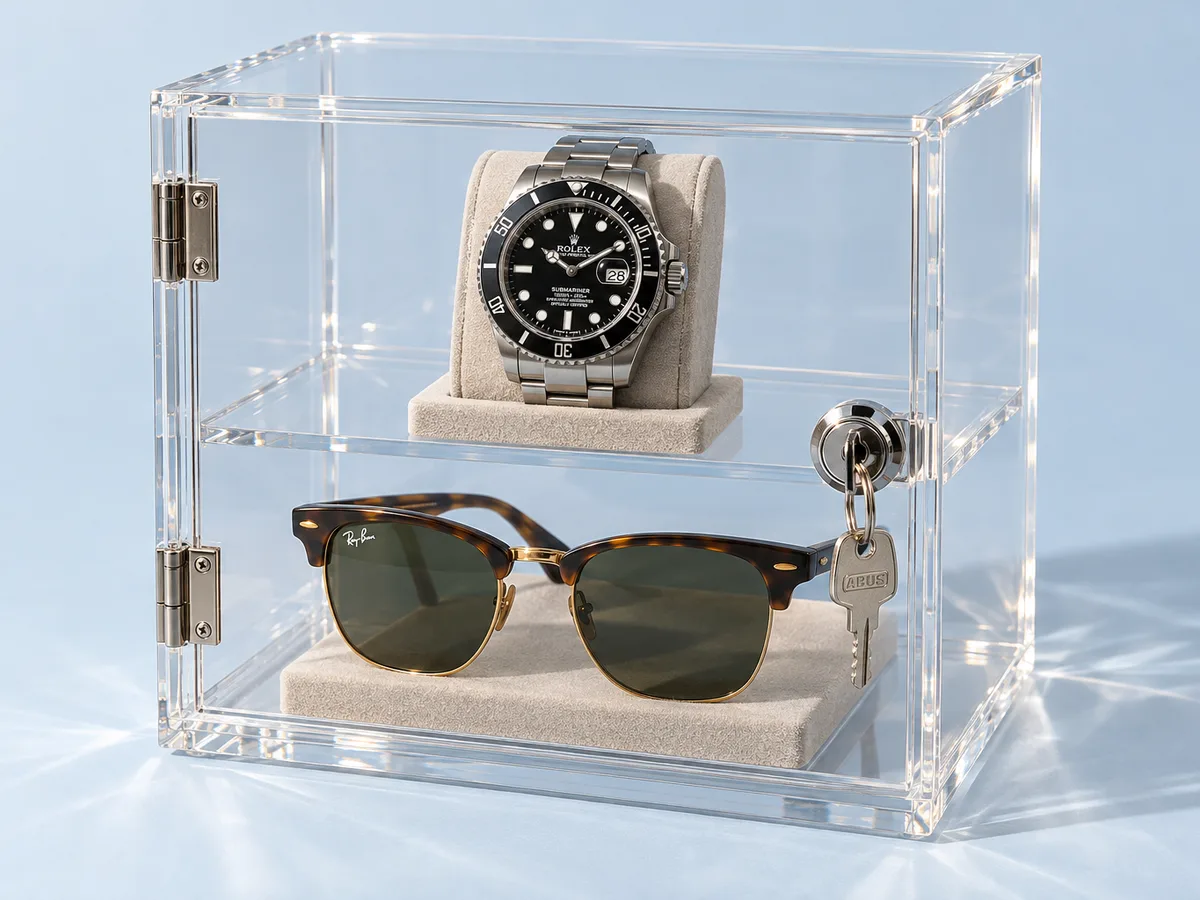
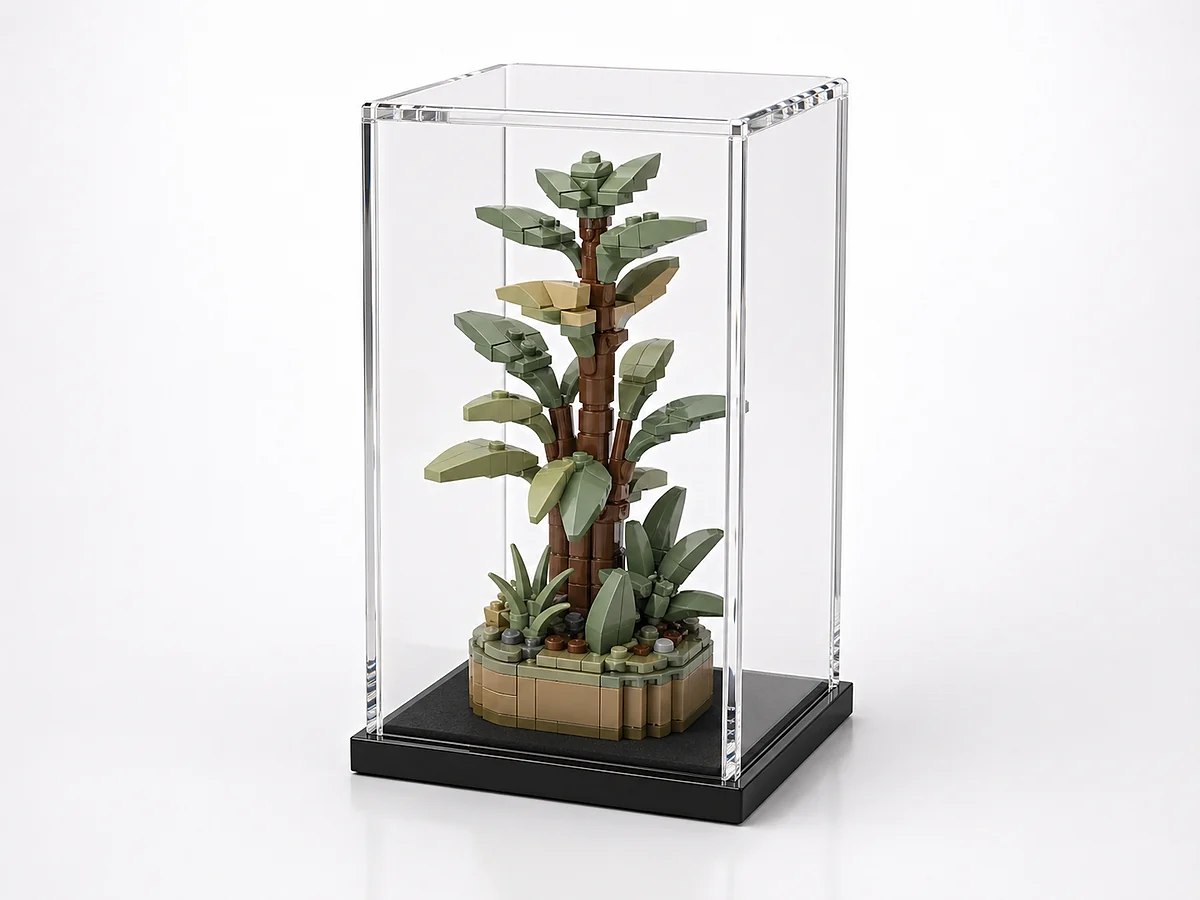
A lockable acrylic display case controls access to retail, museum, and collector items. Wetop builds locking acrylic display cases and acrylic showcases with a lock around the item, door direction, and security need. Choose a cam, tubular, concealed, padlock, electronic, combination, or push-to-lock mechanism. Keyed-alike, keyed-differently, and master-keyed sets are available on every order. The drawing and paid sample confirm the lock action before production.
ISO 9001 Certified · Master-Keyed Sets
Paid samples cost US$200–500 per design and are never credited to the order; production runs from 100 pcs per design.
Built to the measured item and approved drawing.
flat-key cylinder with a rotating cam plate that catches the door frame. Lowest profile, lowest cost, most-installed lock on our cases. Pick-resistance: low, basic deterrent. Best for retail rollouts, keyed-alike chains.
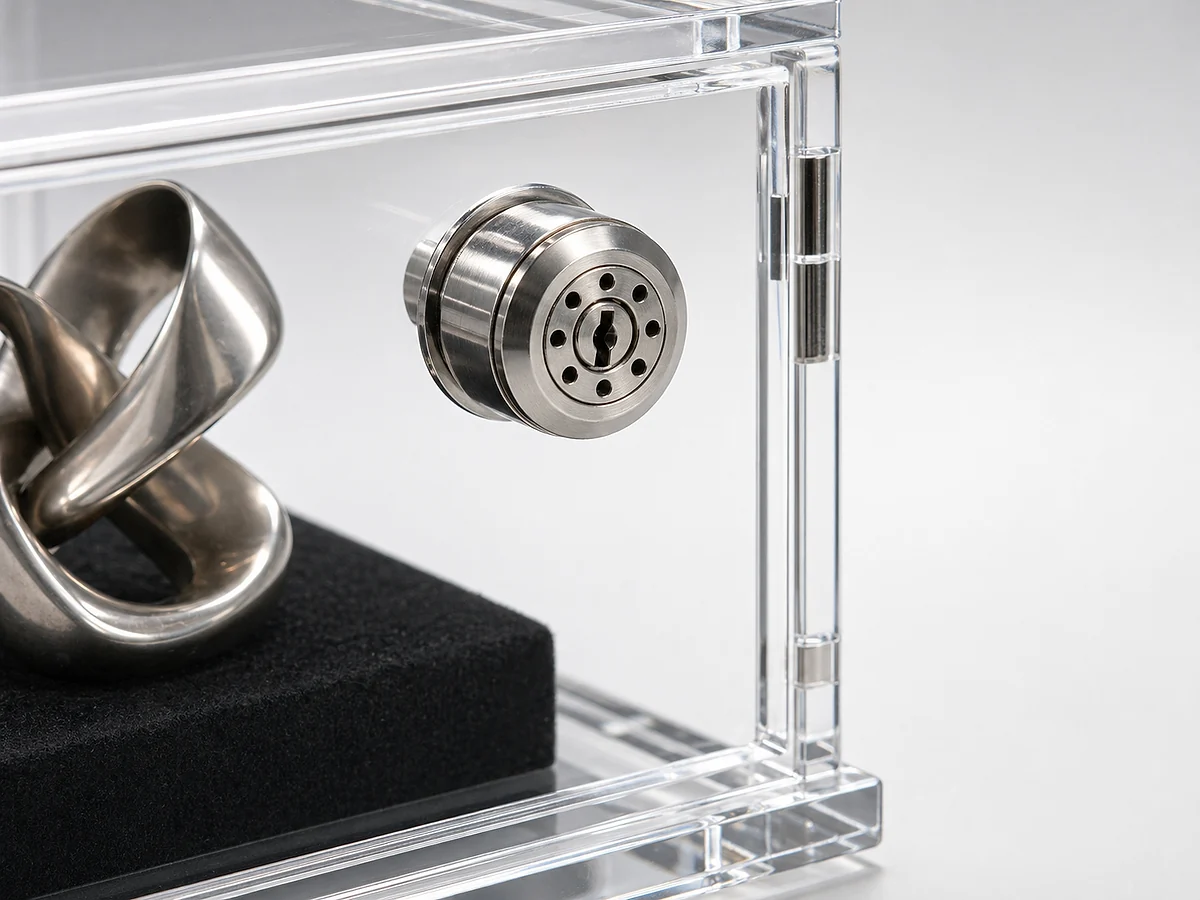
circular key with seven pins around a ring. Resists picking, raking, and bumping. Standard on vending and slot machines. Pick-resistance: medium-high. Best for jewelry, firearm, pharmacy.
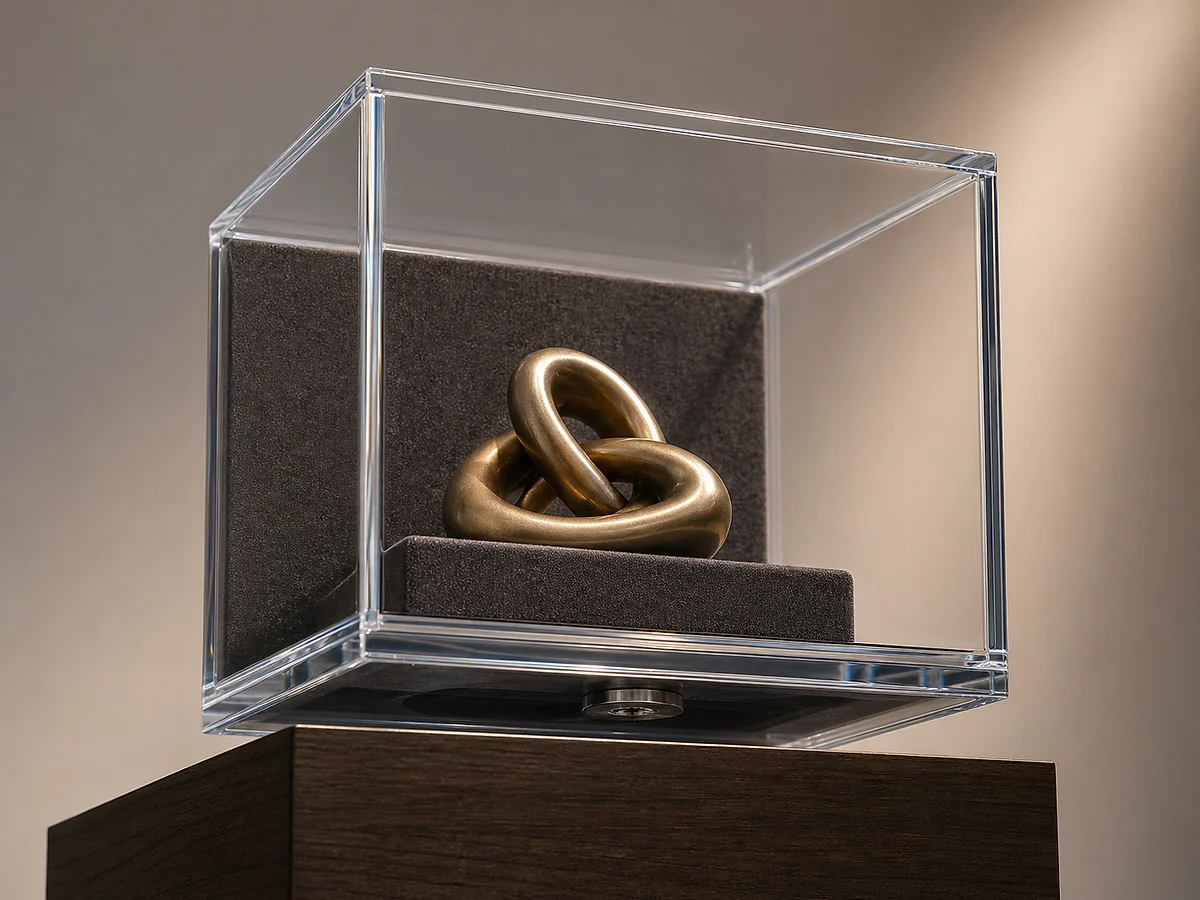
cylinder recessed under the base or behind the case; no keyway visible at eye level. Cleaner aesthetics, slightly less convenient access. Pick-resistance: medium. Best for gallery, luxury retail, hotel display.
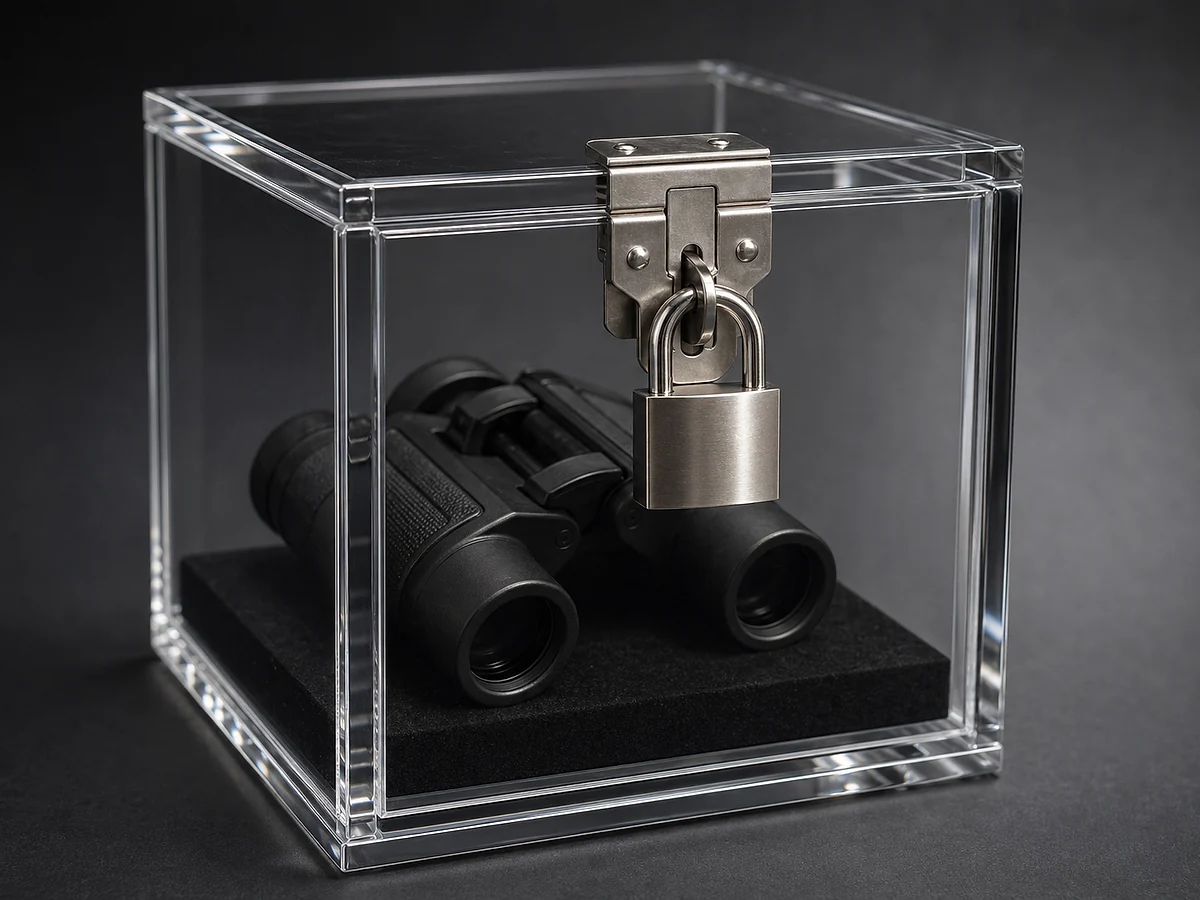
external hasp and stainless padlock; heaviest-duty visible deterrent. Pick-resistance: high (depends on padlock). Best for outdoor, commercial, evidence storage.
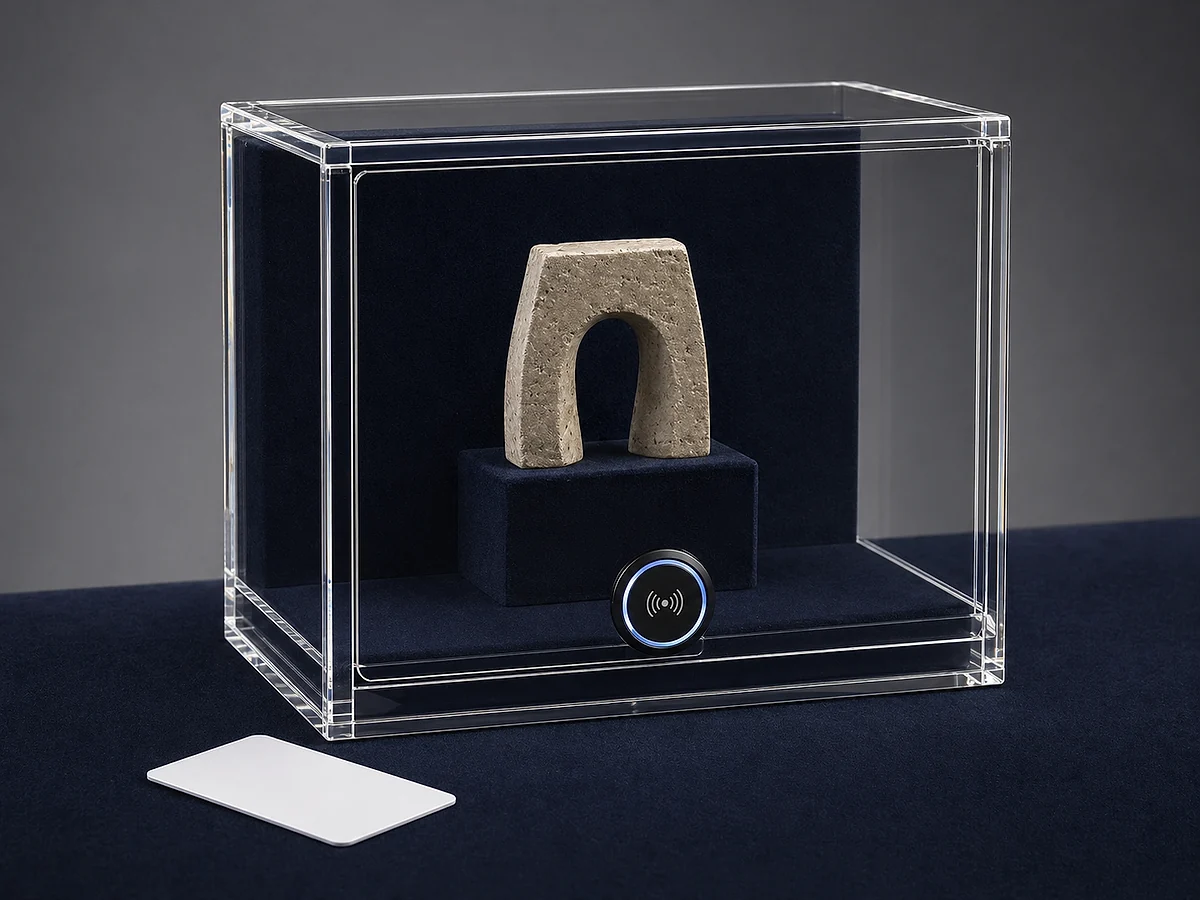
programmable card or fob access with audit trail and time-window control. Pick-resistance: high (depends on system). Best for museums, premium retail, art.
Also available: combination locks for code access where keys are impractical, and push-to-lock (push-code) for repeated staff opening — both confirmed on the sample.
Choose the specification that fits the object, access, and installation.
Published reference from the display case price table. A 5 mm cam-locked countertop case keyed alike costs far less than an 8 mm electronic-lock multi-door case with master keying and UV-filtering acrylic; per-unit cost drops above 200 pieces.
| Reference case | Specification | Quantity | FOB Shenzhen |
|---|---|---|---|
| Floor-standing lockable case | 600 × 400 × 1000 mm, 8 mm clear, lockable, mitered | 100 pcs | from $60–120/unit |
Published reference price, not a quote. The final price follows the approved drawing and lock hardware. See all case reference prices.
Delivered project
A French video-game retailer ordered 300 display pieces across 4 SKUs, including 60 lockable collector cases, and the full order shipped from a 16-day production run; three repeat SKUs went straight to production from cutting files on record. For regulated retail, see the dispensary locking case program and the pharmacy OTC locking display.
“Wetop built a 120-case master-keyed lock set across two stores. Every lock turned smoothly on first install, the master opens any case, and the per-case keys with engraved serial tags made staff handover painless. Two years in, no key swaps and no lock failures on the floor.”
Tell us at the quoting stage how you want the keys grouped. The three options most chain buyers use are: keyed alike (one key opens every case in the order — fastest for floor associates managing 50+ fixtures), keyed differently (each case has its own unique key — for high-value SKUs or by-store accountability), and master-keyed (each case has a unique key plus one master key for managers and loss-prevention). We default to keyed alike unless you ask otherwise. Master-keyed sets ship with the matching key tags and a key map that lists which serial number opens which case.
Yes. We build three concealed options. A magnetic catch with a pull-key looks like a one-piece lid from the front — there is no cylinder, no keyway, no visible hardware. An under-base cam-lock recesses the cylinder into the bottom panel where it stays out of sight at eye level. A wall-side hidden lock sits on the back of a wall-mounted case so the customer-facing view is uninterrupted. Concealed locks trade some theft-deterrence for aesthetics — they are tamper-evident more than tamper-proof. For high-value retail we usually recommend a flush front-face cam-lock instead.
A cam lock uses a flat key and a rotating cam plate behind the cylinder — the cam catches a slot in the door frame to hold the door shut. It is the lowest-profile, lowest-cost, and most common lock on acrylic display cases. A tubular lock uses a circular key with seven pins arranged in a ring; the cylinder body is round. Tubular locks are harder to pick than flat-key cam locks (the seven-pin ring resists raking and bumping) and are the standard on vending machines, slot machines, and high-value retail fixtures. We offer both — cam-lock is the default; tubular is an upgrade for jewelry, firearm, and pharmacy displays.
Our standard cam-locks are basic-grade — they deter casual handling and walk-up theft, not a determined picker with tools. Tubular locks resist picking, raking, and bumping much better — we recommend tubular for any case displaying items above $500 retail value or in regulated categories (firearms, controlled substances, jewelry). For the highest pick-resistance, we offer disc-detainer cylinders and electronic locks. Tell us the threat model — staff theft vs. shoplifter vs. forced entry — and we recommend the lock grade. No acrylic case is forced-entry rated; if you need that, you need a steel-frame cabinet.
Yes. A front-access acrylic display case with a hinged door is our most-ordered configuration — used by retail, museum, knife and firearm dealers, and pharmacy. The door is hinged on the side or top with concealed acrylic-friendly stainless hinges, latches with a cam-lock or tubular lock, and includes a small grip detail or a recessed pull. We also build sliding-door cases (back-access for wall-mount), drop-front cases (for tall narrow jewelry and watch displays), and lift-off lid cases with a lock-down screw. Tell us whether the staff or the customer opens the case more often — that drives door type.
Yes. Combination locks are a strong fit for shared-staff retail (no key handling, no lost-key replacement orders) and for back-of-house cases where a small fixed staff rotates the code. We use a four-digit dial or a four-button push-code lock recessed into the door. The code is field-resettable. The trade-off versus a cam-lock is speed — entering a code is slower than turning a key, which matters at a busy jewelry counter. For high-traffic counters we usually recommend keyed-alike cam-locks instead. For storage cabinets, training-room cases, and museum back-of-house, combination locks are often the better choice.
Our MOQ is 100 pieces per format, the same as our non-lockable cases. The lock hardware is a sub-assembly we install during normal production — adding a lock does not change the minimum. Most lockable orders run 100-1,000 pieces for a retail rollout or 100-200 pieces for a museum or jewelry counter program. Sample lead time is 3-5 days and includes a working lock with two keys (or the keypad + reset instructions for combination locks). The sample lock matches the production lock exactly.
Yes. We build lockable wall-mounted acrylic display cases on every standard mount system — French cleat, Z-clip, standoff, through-bolt, concealed pin, and floating bracket. The most common configuration is a hinged front door with a flush cam-lock, mounted via French cleat with the cleat hardware fully hidden behind the case. For details on wall-mount engineering, see our wall mounted display case sub-page. The lock spec carries over identically — same key options, same keyed-alike or master-keyed sets across countertop and wall-mount cases in the same order.
A factory, and the lock is fitted in our own plant. Wetop has manufactured in Shenzhen since 2008 — today a 5,000 m² ISO 9001 certified facility, with 65+ people on the floor. The lock hardware is a sub-assembly we install during normal production, not a part bolted on downstream by someone else, which is why the sample lock matches the production lock exactly and why a binding cylinder on unit 40 of a 500-case rollout is a conversation with the people who fitted it. Every case gets 100% inspection against your approved sample, lock action included.
Push-code combination on open OTC counter cases, tubular on anything controlled or high-value. The driver is staffing more than lock grade: a pharmacy counter runs several shifts a day and shared keys go missing, so a field-resettable code removes key handling entirely — that is the logic behind the 320 push-code combination cases we built for a US regional pharmacy chain, 5 mm acrylic with a felt-lined base. Where the case holds controlled or restricted stock, we step up to a tubular cylinder and can add a tamper-evident hinge, and the felt base records pry marks that a mirrored backboard would hide. We build to whatever your pharmacy or state board requires — we do not certify any case as meeting a regulatory standard; that call belongs to your compliance team.
Start from the threat you actually have, not the worst one you can imagine. If the risk is casual handling and walk-up theft, a flat-key cam-lock is the lowest-profile and lowest-cost answer, and keyed-alike sets keep floor staff moving. If the goods are regulated or above roughly $500 retail — jewelry, watches, firearms, pharmacy, cannabis — step up to a tubular lock, whose seven-pin ring resists picking, raking, and bumping far better than a flat key. If several staff share access and lost keys are the real cost, a field-resettable combination lock removes key handling entirely, at the price of being slower to open than a key at a busy counter. If the customer-facing view has to stay clean, concealed magnetic catches and under-base cylinders do that, but they're tamper-evident rather than tamper-proof. Two constraints apply regardless of which you choose: no acrylic case is forced-entry rated — pry resistance needs a steel-frame cabinet, not thicker acrylic — and above 5mm the material around the cylinder gets materially harder to crack, which is why we run 8mm on jewelry, firearm, and liquor builds. Tell us the threat model and the category, and we'll recommend the grade rather than sell you the top one.
Send us your case dimensions, contents, lock preference (cam, tubular, combination, hidden, padlock, or electronic), keying scheme (alike, differently, master-keyed), and quantity. Tell us the threat model — shoplifter, staff theft, or tamper-evidence — and we match the lock grade. We respond within 24 hours with a detailed quote covering construction, lock spec, finishing, and timeline. No commitment required. Sample with working lock in 3-5 days.