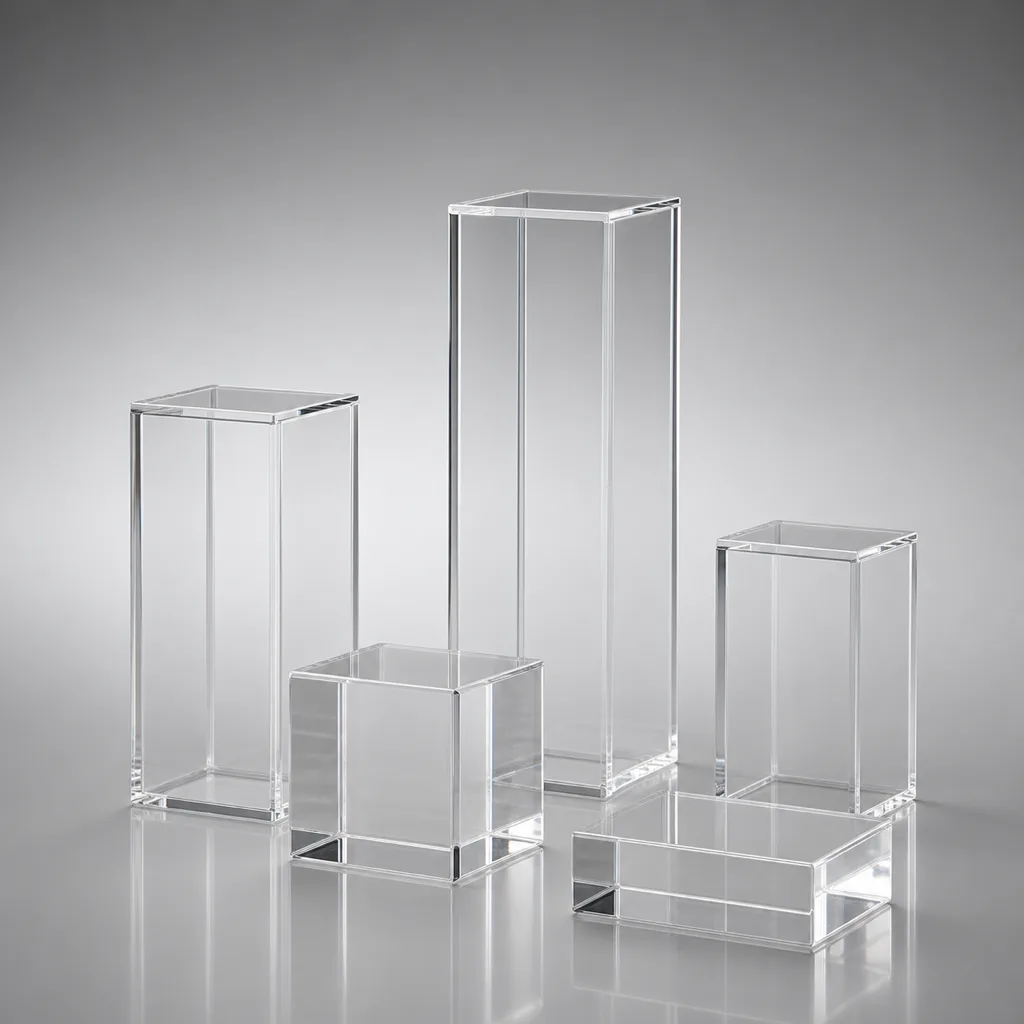
Acrylic Display Pedestals
Custom pedestals and display cubes built to raise one hero product — your dimensions, your finish, your brand.
An acrylic display pedestal is a clear or colored column, cube, or block that lifts a single product into focus — for jewelry windows, museum plinths, retail launches, and showroom centerpieces. Where a riser tiers several items, a pedestal spotlights one. Wetop Acrylic manufactures custom acrylic pedestals and display cubes — also called plexiglass pedestals or perspex display blocks — as solid cast blocks or hollow bonded columns. Clear, frosted, colored, or mirrored acrylic. Diamond-polished edges. MOQ 100 pieces.
ISO 9001 Certified · Manufacturing Since 2008 · MOQ 100 Pieces · Samples in 3–5 Days
Find Your Pedestal Configuration
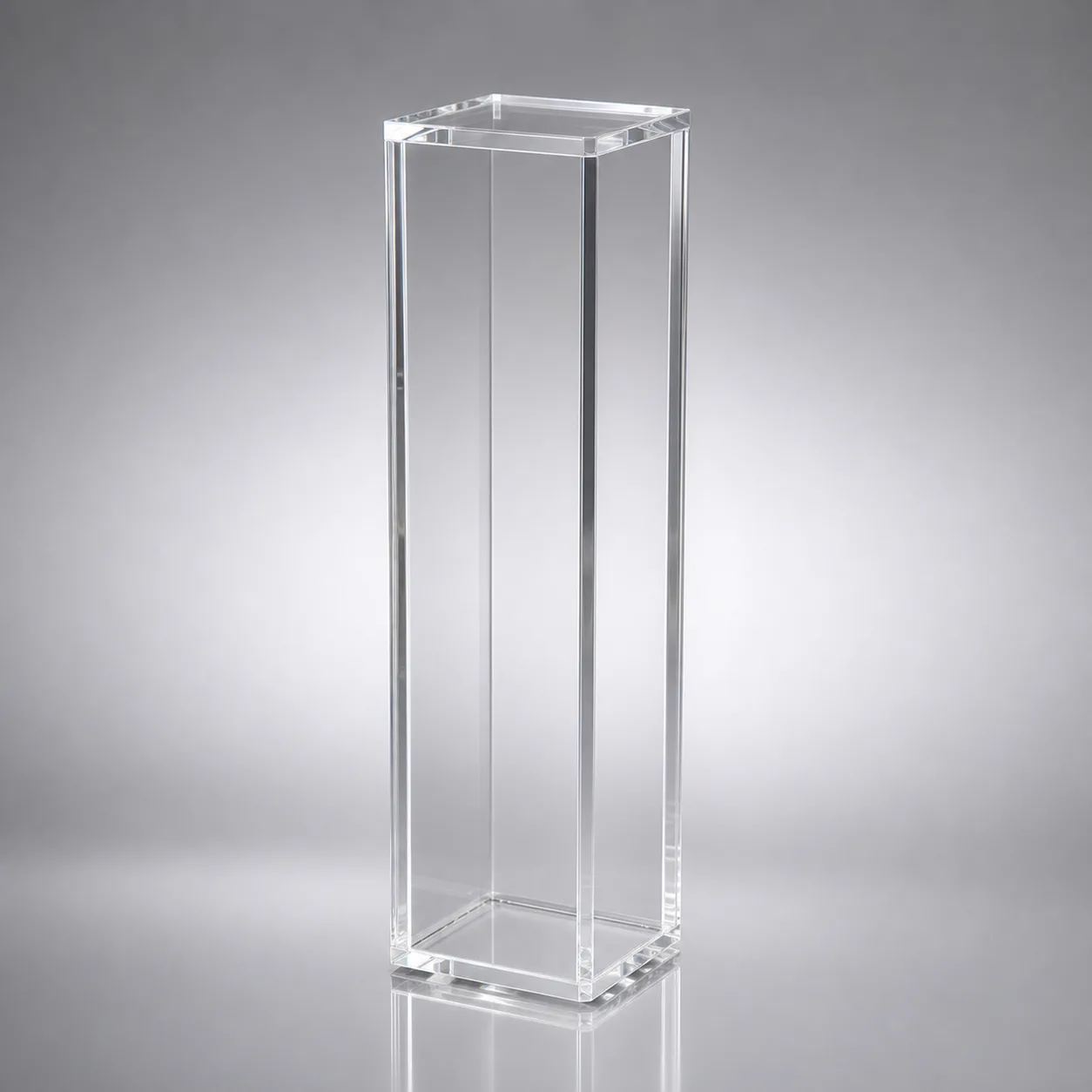
Pedestal Columns
Tall single-column stands that raise one hero product to eye level — the classic gallery and retail-window format
Details ›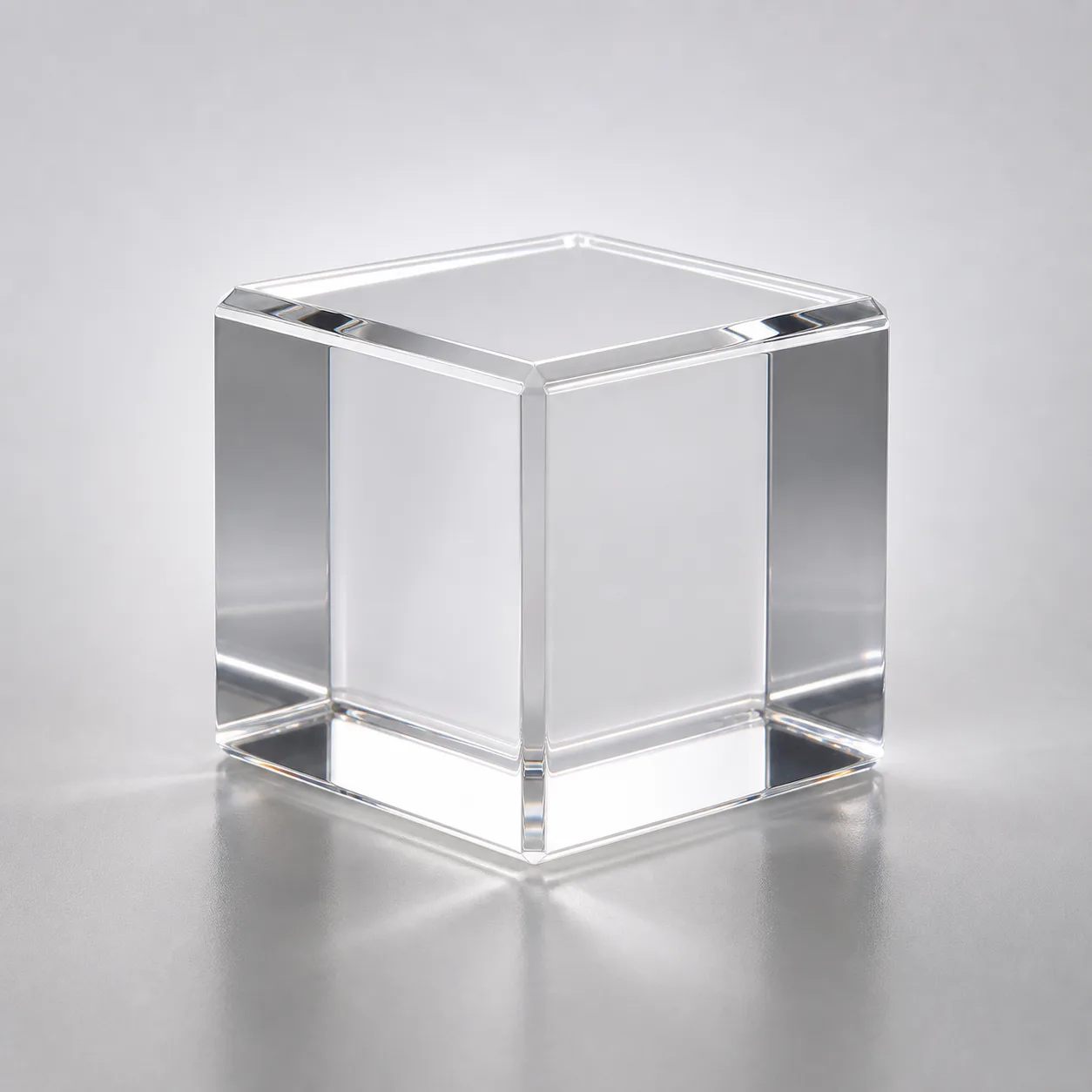
Display Cubes & Blocks
Solid or hollow cubes that lift a single item a set height — minimal, modern, lets the product be the focus
Details ›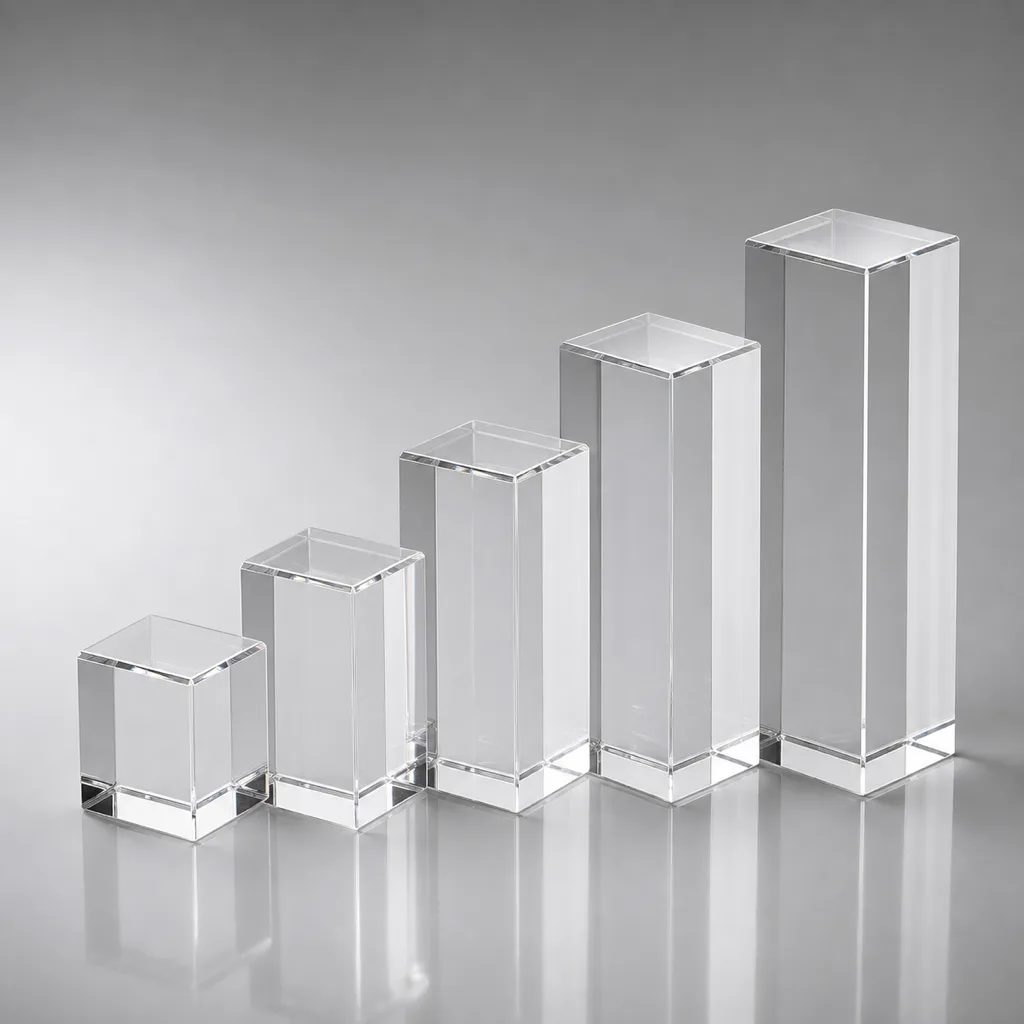
Tiered Pedestal Sets
Two to five pedestals at graduated heights, arranged in a cluster for a coordinated grouping
Details ›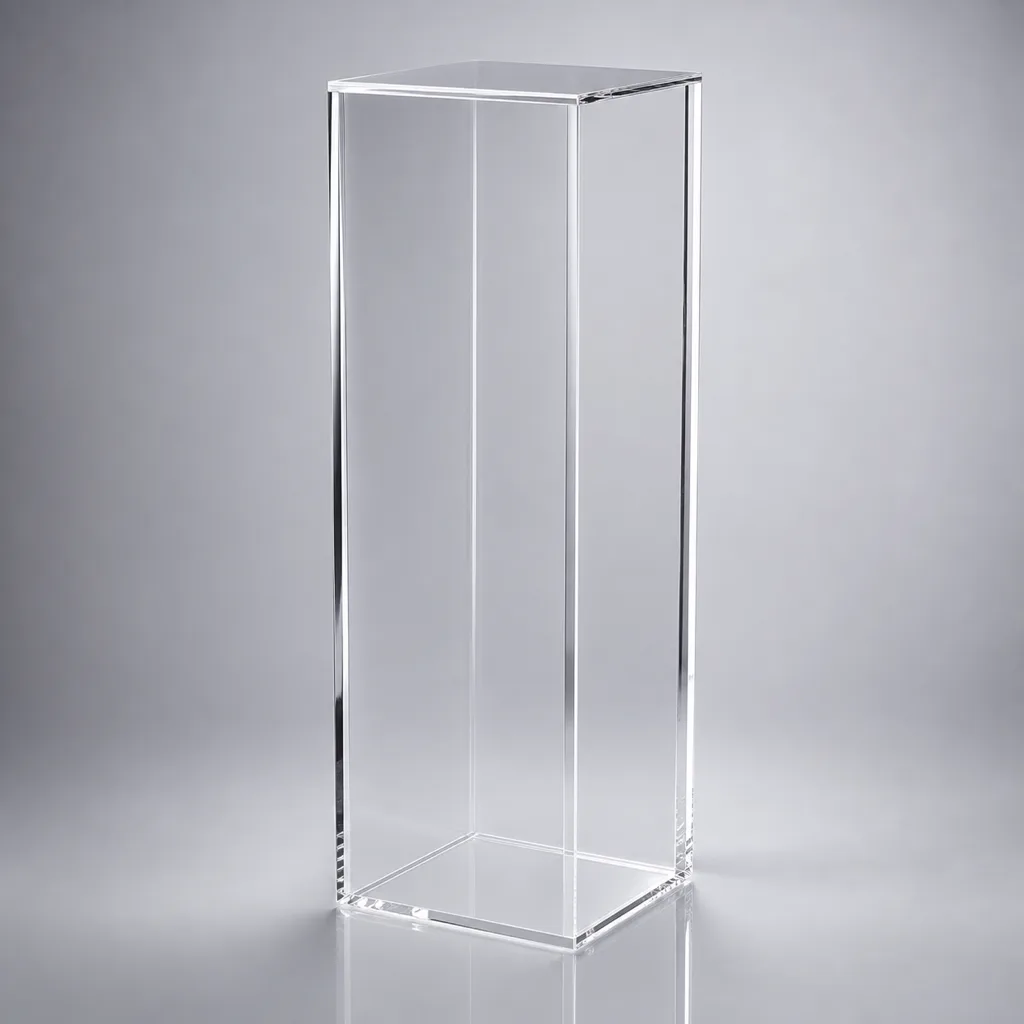
Floor-Standing Pedestals
Taller columns for museum plinths, boutique windows, and showroom centerpieces
Details ›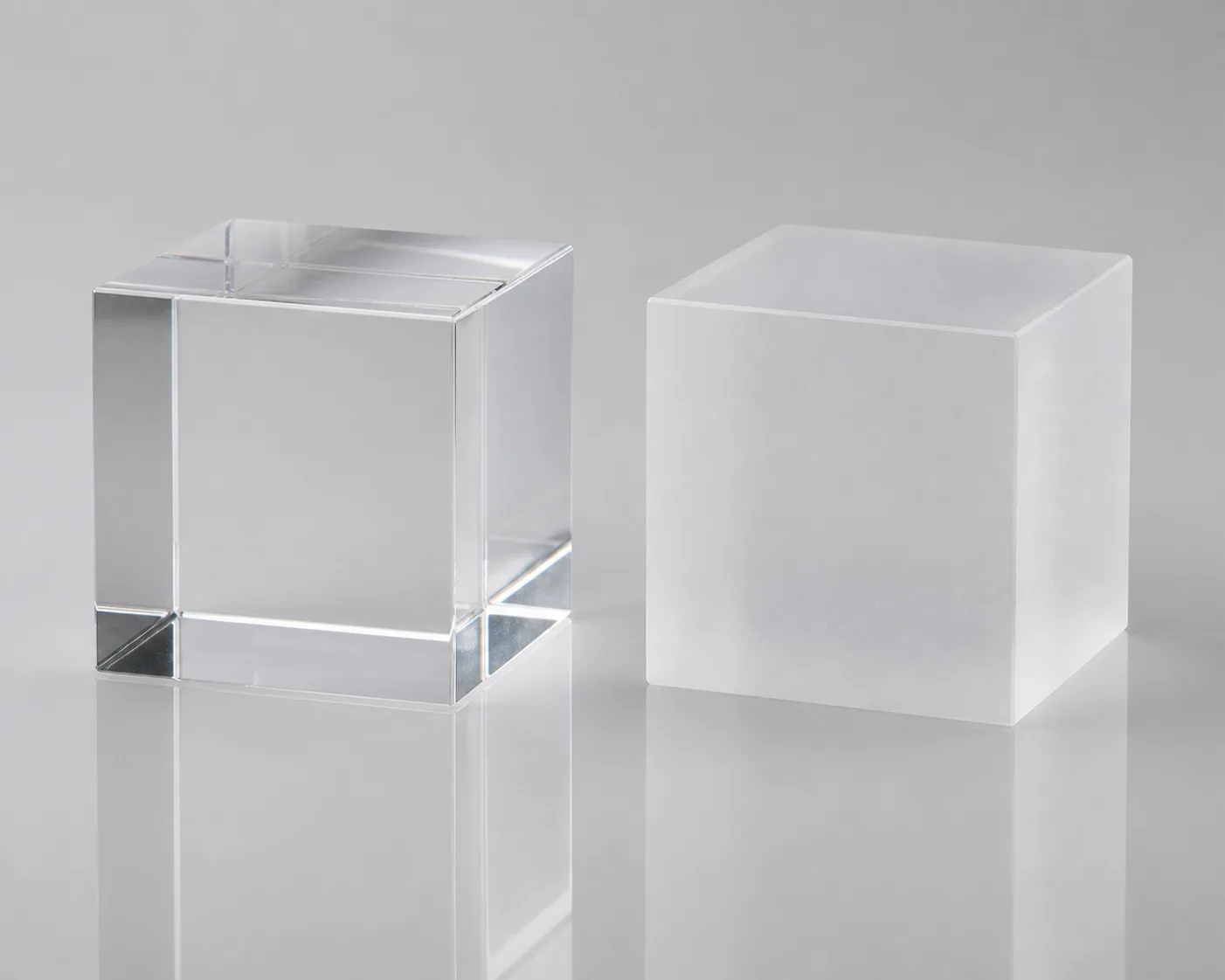
Mirrored & Frosted Pedestals
Mirrored blocks that reflect the product from below, or frosted columns for a soft premium look
Details ›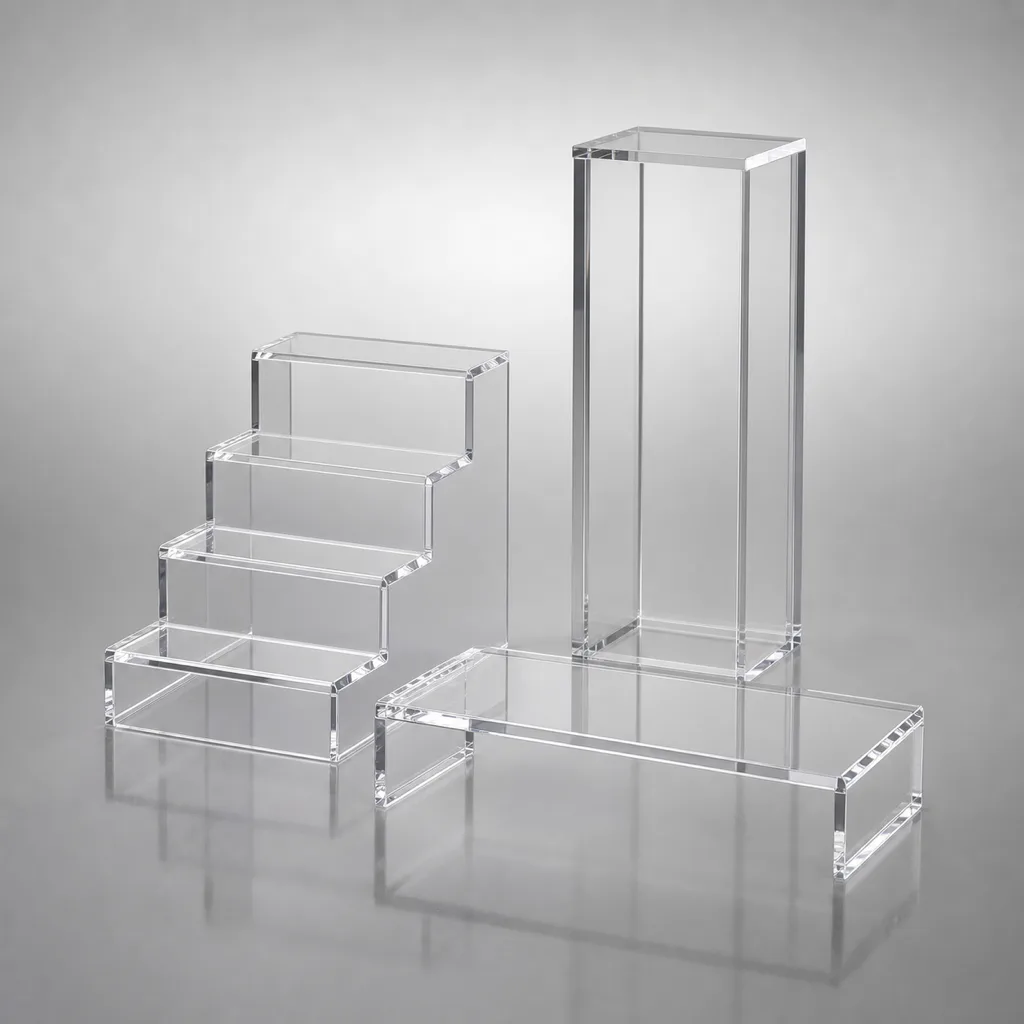
All Display Stands
Need a different format? Multi-tier risers, shelves, or LED-lit display stands?
Details ›Acrylic Pedestal Columns
Acrylic pedestal columns are tall single-column stands that raise one hero product toward eye level. They are built as hollow bonded columns — four precision-cut panels solvent-fused into a rigid box with a bonded top and base plate — in wall thicknesses from 8mm to 20mm depending on the product weight. Wetop manufactures custom columns in any height, footprint, and finish.
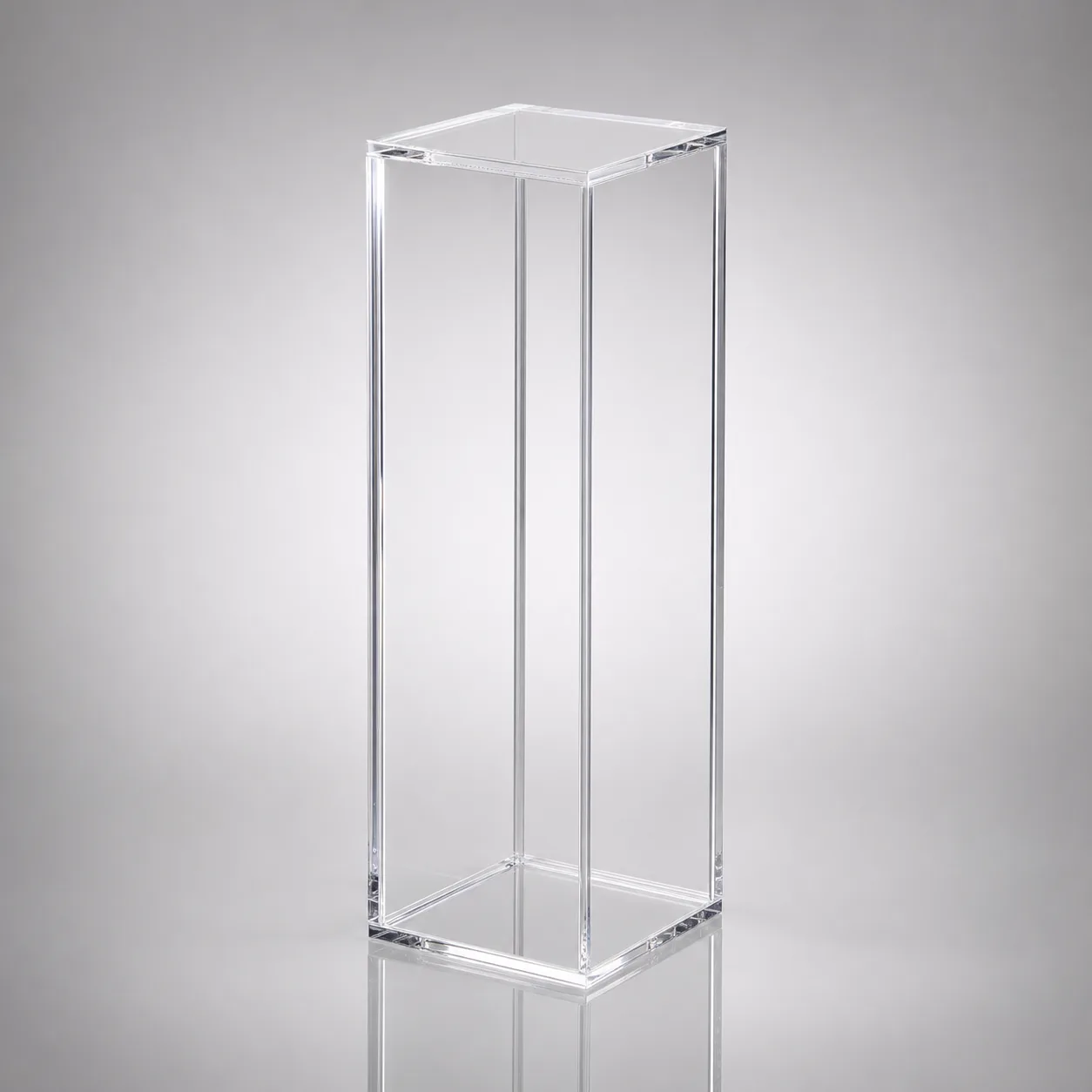
A pedestal column is what you reach for when one product deserves the whole stage. In a boutique window, a museum room, or a product-launch stand, the column removes the clutter around a single item and gives it height, so the eye lands on it first. Clear acrylic keeps the focus on the product; the pedestal all but disappears.
We build columns from countertop height (250–400mm) up to floor-standing plinths (800–1200mm). Whether you call the material acrylic, plexiglass, or perspex, the build is the same — panels are solvent-bonded into one rigid box, and heavier products get a thicker top plate or a weighted base so the pedestal stays stable. For load-critical pieces, see our pedestal load-engineering guide.
Standard Pedestal Column Sizes
Our most-ordered column configurations — all sizes are fully customizable.
| Configuration | Footprint (W×D) | Height | Wall Thickness | Best For |
|---|---|---|---|---|
| Countertop column | 150 × 150mm | 300mm | 8mm | Jewelry, small hero products |
| Mid column | 200 × 200mm | 500mm | 10mm | Handbags, boxed products, bottles |
| Tall column | 250 × 250mm | 800mm | 12mm | Showroom centerpieces, launches |
| Floor plinth | 300 × 300mm | 1000mm | 12–15mm | Museum artifacts, sculpture |
| Heavy plinth | 350 × 350mm | 1000mm | 15–20mm | Heavy single loads, permanent installs |
Match the height to the eye, not the room
A hero product reads best when its center sits near standing eye level — roughly 1400–1500mm off the floor. Subtract your product height to size the pedestal: a 500mm sculpture on a 1000mm plinth lands the piece right in view. For seated or counter contexts, aim lower.
Popular with: Jewelry boutiques · Museums · Product-launch teams · Showrooms
MOQ: 100 pieces · Sample: 3–5 days
Display Cubes, Blocks & Tiered Sets
Acrylic display cubes are solid cast blocks or hollow bonded boxes that lift a single item a fixed height. Solid blocks show optical clarity and refract light at their polished edges; hollow cubes keep weight and cost down at larger sizes. Arranged as a tiered set of graduated heights, cubes create a coordinated grouping for jewelry windows and gallery displays.
Where a column gives one product height, a cube gives it a clean, minimal lift — modern, gallery-style, letting the product be the focus. Order them singly for one hero SKU, or as a graduated set for a window grouping.
Solid Cast Blocks
Machined from a single piece of cast acrylic, then diamond-polished on every face. The optical clarity and edge refraction make a solid block read as a premium object in its own right. Best at smaller sizes (up to ~120mm cube) where the material weight and cost stay reasonable. For solid blocks in other uses, see our Acrylic Blocks hub page.
Hollow Bonded Cubes
Five or six panels solvent-bonded into a box with invisible joints. Far lighter and more affordable than a solid block at the same size, which makes hollow the right choice for cubes above ~120mm. A bonded top plate carries the product; the hollow interior can hide cabling for lit displays.
Tiered Pedestal Sets
Two to five pedestals or cubes at graduated heights, arranged in a cluster so several hero pieces sit at coordinated levels. Popular for jewelry windows and gallery groupings. For the tier-count decision, see our 3-tier vs 5-tier guide.
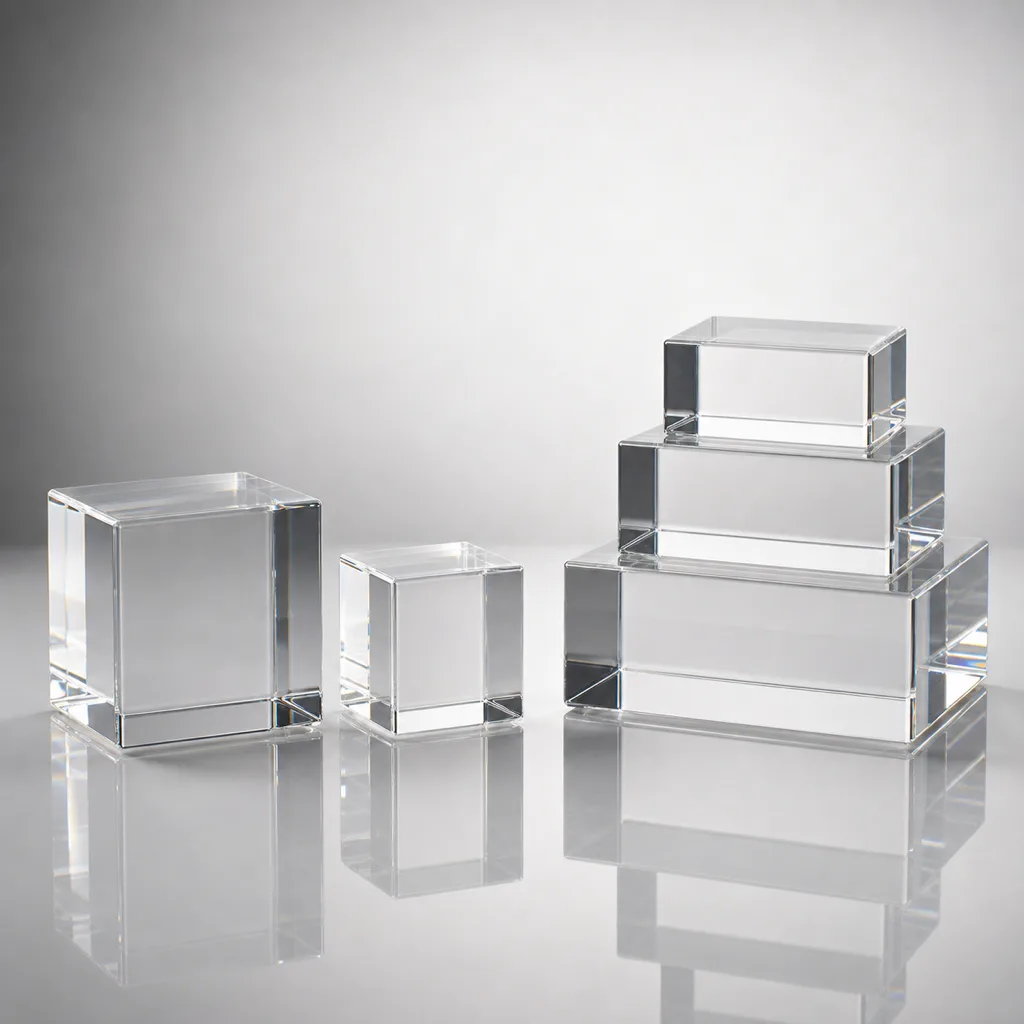
Pedestal & Cube Comparison
| Feature | Pedestal Column | Display Cube | Tiered Pedestal Set |
|---|---|---|---|
| Typical height | 300–1200mm | 50–200mm | 60–200mm per piece |
| Footprint | Small (150–350mm) | Small–medium | Cluster arrangement |
| Load focus | One heavier hero item | One light–medium item | Several coordinated items |
| Best for | Windows, museums, launches | Jewelry, product spotlight | Window groupings, galleries |
| Production MOQ | 100 pieces | 100 pieces | 100 two-piece sets |
| Sample lead time | 3–5 days | 3–5 days | 3–5 days |
Popular with: Jewelry stores · Art galleries · Visual merchandisers · Premium retail
MOQ: 100 pieces per design (100 sets for multi-size tiered sets) · Paid sample: 3–5 days
Clear, Frosted, Black & Mirrored Pedestals
Pedestal finish sets the mood of the display. Clear acrylic disappears and puts all attention on the product. Frosted white gives a soft, premium diffusion. Matte black creates high contrast for jewelry and watches. Mirrored acrylic reflects the product from below and adds visual depth. Wetop produces all four finishes on the same diamond-polishing line.
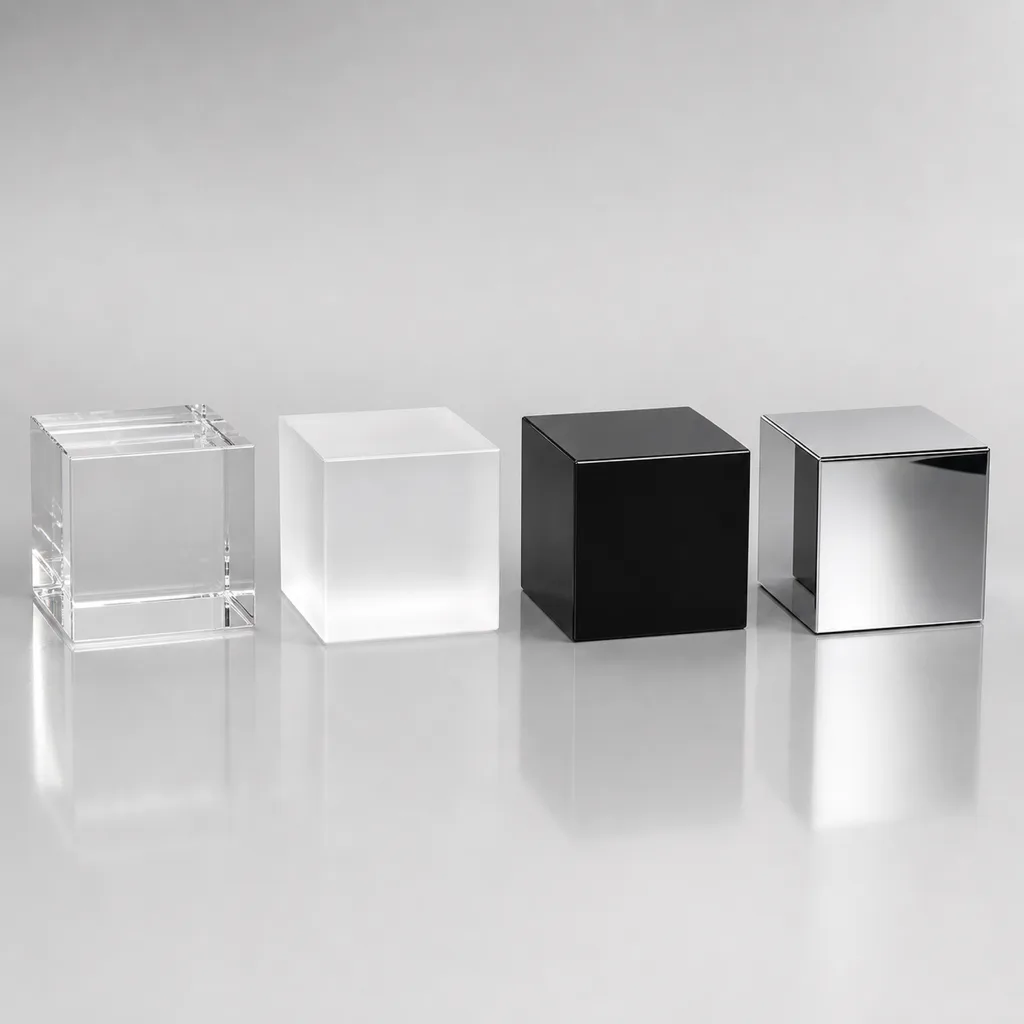
Finish is where a pedestal stops being a prop and starts working for the product. The right choice depends on the item and the setting — a diamond ring against matte black, a fragrance bottle on a mirrored cube, a sculpture on a frosted plinth.
Every finish ships with diamond-polished edges as standard, so the pedestal reads as an optical object, not a plastic box. Need a matching tray for the same display? See our Acrylic Trays.
Clear
Maximum transparency — the pedestal vanishes and the product floats. The gallery and museum default.
Frosted White
Diffuses light for a soft, premium look. Popular for cosmetics, fragrance, and sculpture plinths.
Matte Black
High contrast that makes jewelry, watches, and metallics pop. Hides fingerprints in high-touch settings.
Mirrored
Reflects the product from below for depth and drama. Mirrored acrylic, not glass — lightweight and shatter-proof.
Which Finish for Which Display
| Display Context | Recommended Finish | Why |
|---|---|---|
| Jewelry window / showcase | Matte black or mirrored | Contrast and reflection make small pieces read |
| Museum / gallery plinth | Clear or frosted | Neutral, doesn't compete with the piece |
| Product launch / retail hero | Clear or brand-colored | Focus on the product; brand mark optional |
| Cosmetics / fragrance spotlight | Frosted or mirrored | Soft premium light or reflective depth |
We moved our window from painted MDF blocks to Wetop's mirrored acrylic pedestals. The reflection under the display lights doubled the perceived depth of the window, and the polished edges look like cut crystal.
Popular with: Jewelry brands · Museums · Fragrance houses · Premium retail
MOQ: 100 pieces · Sample: 3–5 days
Acrylic Pedestal Thickness & Load Guide
A pedestal carries a single concentrated load, so wall thickness and construction matter more than they do on a tiered riser. Thicker walls, a solid block, or a bonded top plate carry heavier products and taller heights. Here's what we recommend by use case — we verify the engineering for every custom order.
| Build | Load Guidance | Visual Feel | Best For | Cost |
|---|---|---|---|---|
| Solid cast block (≤120mm) | Light–medium items | Optical, jewel-like | Jewelry, small hero products | Higher (solid) |
| 8mm hollow cube/column | Light single items | Slim, minimal | Countertop spotlights | Standard |
| 10mm hollow column | Medium single items | Clean, professional | Bottles, boxes, handbags | +10–20% |
| 12mm hollow column | Heavier single items | Substantial, premium | Showroom centerpieces | +25–40% |
| 15–20mm plinth | Heavy single loads | Monolithic, gallery-grade | Museum artifacts, sculpture | +60–120% |
Load guidance is directional — the safe capacity depends on footprint, height, top-plate thickness, and base design together. We run the numbers against your product weight before quoting.
Top plate and base do the real work
On a tall pedestal, the top plate that meets the product and the base that meets the floor carry the concentrated load and resist tipping. We thicken the top plate, add internal bracing, or weight the base as needed — so a hollow column stays light to move yet stable in use.
Related guide: Acrylic Pedestals: 200lb Load Engineering — how we size walls, top plates, and bases for heavy single loads.
Why Acrylic Pedestals Over Wood or Metal?
Acrylic pedestals offer crystal-clear or reflective product focus, lightweight portability, and direct-to-surface branding that wood and metal plinths cannot match. Acrylic is roughly half the weight of glass, shatter-resistant, and can be cut or cast into custom shapes — making it the preferred material for windows, galleries, and product launches where the pedestal should serve the product, not compete with it.
| Factor | Acrylic (PMMA) | Wood | Metal |
|---|---|---|---|
| Product focus | Clear disappears; mirrored adds depth | Opaque, adds visual weight | Opaque, industrial |
| Weight | Lightweight (~1.19 g/cm³) | Heavy | Heaviest |
| Branding | Print, engrave, or etch directly | Sticker, paint, or wood burn | Engrave or plate |
| Custom shapes | Laser-cut, CNC, cast, thermoformed | CNC only | CNC, welded |
| Durability | Shatter-resistant, won't warp | Warps with humidity | Scratches, can rust |
| Cleaning | Wipe-clean | Absorbs stains | Fingerprint-prone |
| Cost (custom) | Mid-range | Low–mid | Higher |
| Best for | Windows, galleries, launches | Rustic / artisan retail | Heavy-duty permanent |
When wood or metal makes sense: Rustic-themed retail (farmhouse markets, artisan boutiques) suits wood plinths. Very heavy or outdoor permanent installations suit welded metal. For everything else — especially where the pedestal should let the product be the hero — acrylic is the standard.
For a deeper material comparison across all display types, see the Acrylic vs Glass comparison on our Acrylic Display Stands hub page.
How Acrylic Pedestals Are Built
Custom acrylic pedestals are made from cast acrylic sheet (PMMA) — hollow columns and cubes are solvent-bonded from precision-cut panels into a rigid box with a load-bearing top plate and base, while small display blocks are machined from a single solid piece and diamond-polished on every face.
Solvent Bonding
Acrylic panels — whether branded as acrylic, plexiglass, or perspex — are joined using solvent cement that chemically fuses the material at the molecular level. The joint is as strong as the acrylic itself. No glue residue, no visible seam on a finished column.
Solid-Block Machining
Small display cubes are machined from a single piece of cast acrylic, then diamond-polished on every face for optical clarity. No joints — the block is one continuous piece that refracts light at its edges.
Diamond Polishing
Exposed edges are diamond-polished to optical clarity — the edge transmits light like the face of the acrylic. We use the same polishing line for pedestals, display cases, and acrylic shelves.
Top Plate & Base Engineering
For taller or heavier pedestals we thicken the top plate, add internal bracing, or weight the base so the column carries its concentrated load and resists tipping — stable in use, still light to move.
Display Pedestals We've Built
Representative pedestal scenarios from our Shenzhen factory — anonymized to protect client confidentiality.
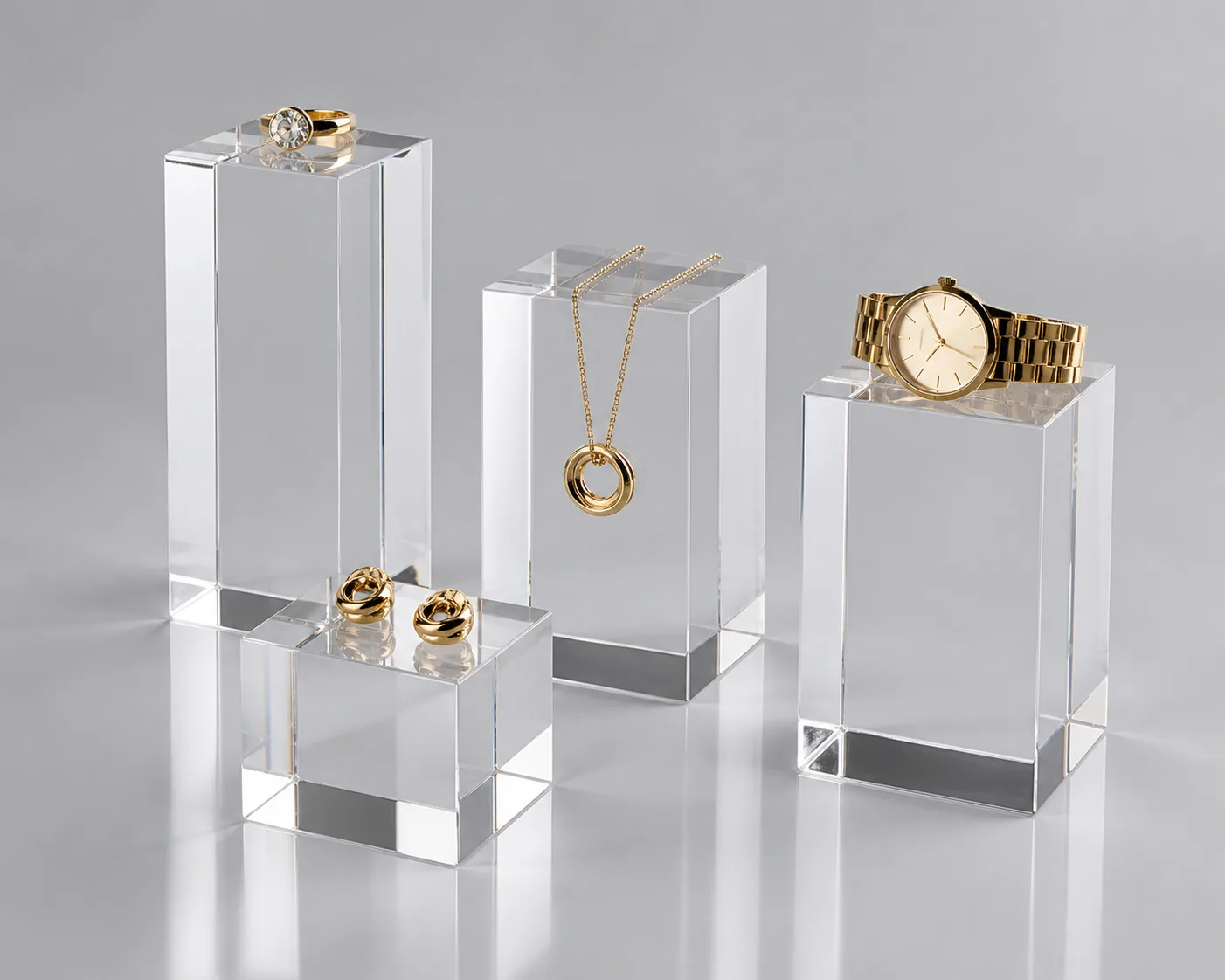
Jewelry Window Pedestal Set
5-piece graduated set · Mirrored acrylic, 10mm · Heights: 60, 90, 120, 150, 180mm · Diamond polished · Foam-lined tops
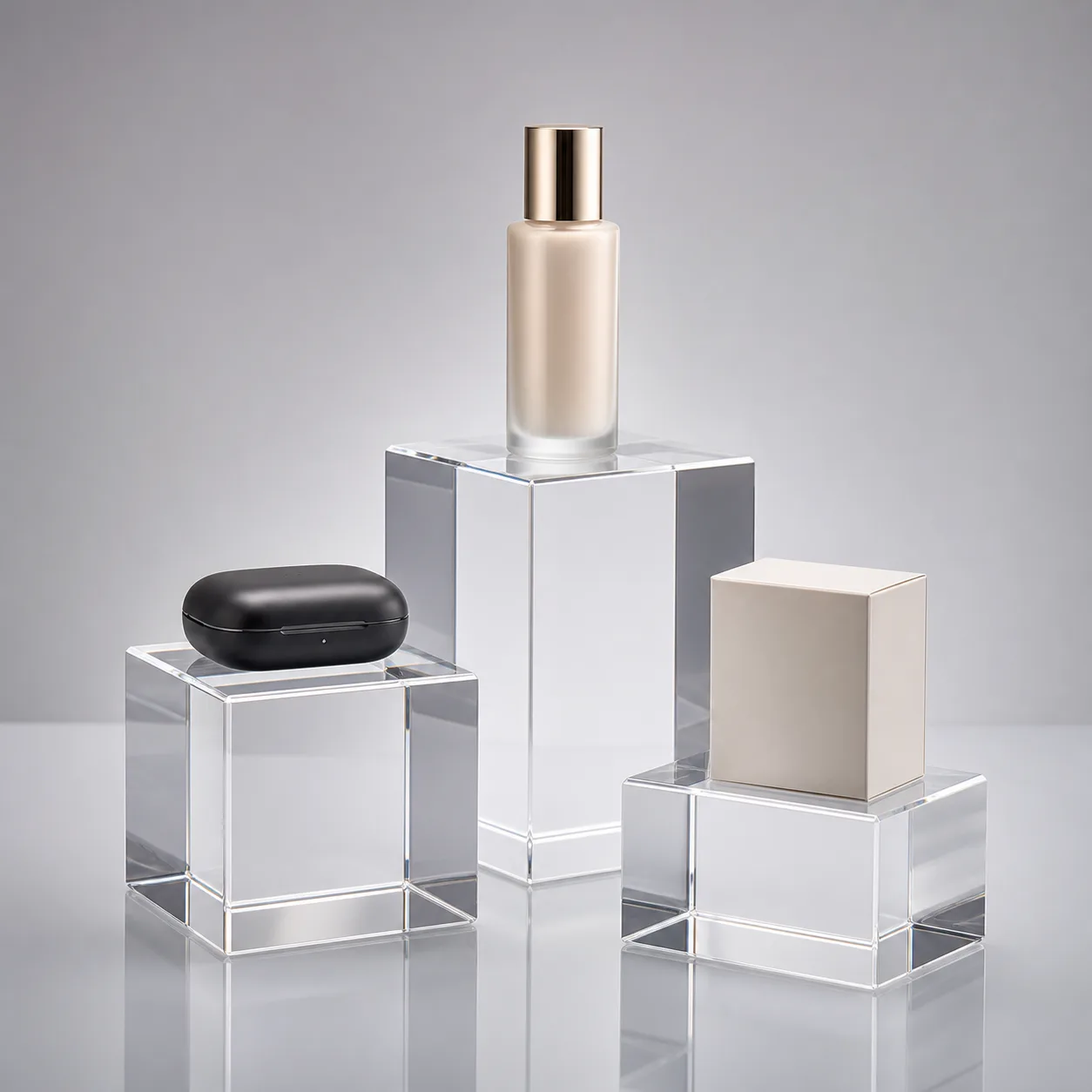
Product-Launch Display Cubes
Solid clear cast blocks, 100mm cube · Optical-clarity polish · Silk-screen brand mark on one face · Individual foam wrap
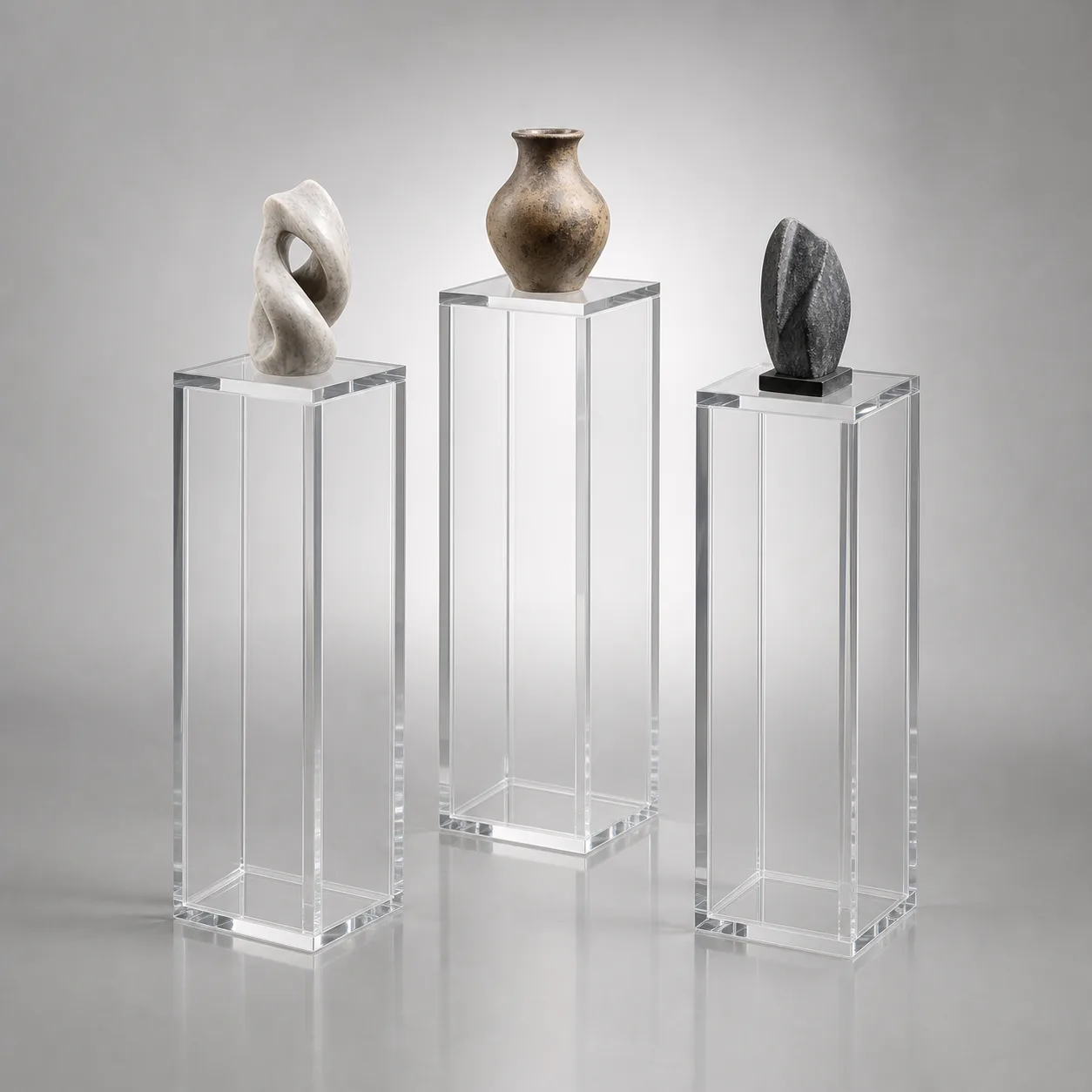
Museum / Gallery Plinths
Floor-standing hollow columns, 12mm walls · 300 × 300 × 1000mm · Bonded top and weighted base · Matte finish option
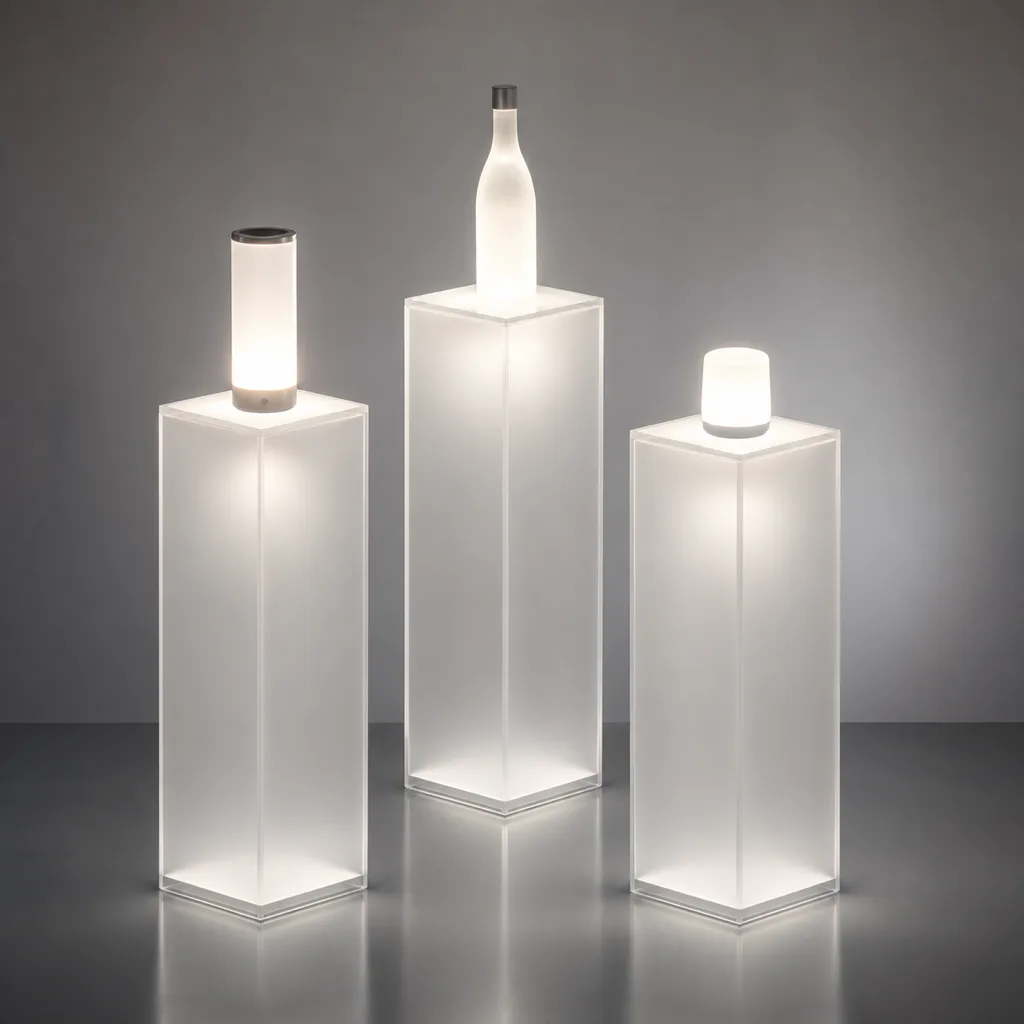
Showroom Centerpiece Pedestals
Frosted acrylic columns, 15mm · 250mm square × 900mm tall · Internal cable pass-through for lit products · Diamond polished
The bonded joints on the columns are seamless — no cloudy seam lines where earlier samples we'd pulled always showed them. On a clear pedestal that's the whole game, because there's nothing else on it to hide a flaw.
Have a similar project?
Quote a Similar ProjectWhat Affects Acrylic Pedestal Pricing?
Custom acrylic pedestal pricing depends on four factors: solid vs hollow construction and wall thickness, overall height and footprint, material and finish, and order quantity. Diamond polishing is included as standard. We don't publish fixed prices because every pedestal is custom — but here's what moves the number, with indicative FOB ranges to help you plan.
Solid vs Hollow
The biggest cost driver. A solid cast block uses far more material than a hollow bonded column of the same outside size. Hollow is the value choice above ~120mm; solid wins on optical impact at small sizes.
Height & Footprint
A floor-standing plinth uses more material and heavier walls than a countertop cube. Taller and heavier-load pedestals need thicker top plates and bracing, which adds labor.
Material & Finish
Clear is standard pricing. Frosted and colored add 10–20%. Mirrored adds 20–30%. Black sits between clear and frosted.
Order Quantity
Unit cost drops significantly as quantity increases. The biggest price break is between 50 and 200 pieces.
Small hollow display cube · clear · at volume
Low single-digit USD/pcRanges are indicative FOB Shenzhen for planning only and are not a binding quote. Final pricing depends on your exact size, construction, finish, and quantity — send specs for a firm number.
Who Uses Acrylic Display Pedestals?
Acrylic display pedestals are used across jewelry, retail product launches, museums and galleries, cosmetics, events, and art display. Wetop has built custom pedestals and display cubes for boutique windows, exhibition spaces, and brand showrooms.
Jewelry & Watches
Mirrored and black pedestal cubes for window and showcase displays. Diamond-polished edges catch showcase lighting.
See examples ›Retail & Product Launch
Single-product pedestals and display cubes for launches, checkout spotlights, and window merchandising. Branded with silk-screen or UV printing.
See examples ›Museums & Galleries
Floor-standing plinths and pedestal columns for artifacts, sculpture, and exhibition pieces. Heavy-walled and stable.
Cosmetics & Fragrance
Pedestal cubes that spotlight a signature bottle or hero product. Frosted and mirrored finishes for a premium counter look.
See examples ›Events & Showrooms
Centerpiece pedestals for brand showrooms, press events, and launch stages. Portable, reusable, branded.
Art & Sculpture Display
Clear and frosted plinths that raise a single piece without competing with it. Gallery-minimal, shatter-resistant.
How to Order Custom Acrylic Pedestals
From your first message to delivered pedestals — 3 steps.
Tell Us What You Need
Share a sketch, reference photo, or description: column or cube, target height, footprint, finish, quantity, and — importantly — the weight of the product it will hold. No CAD file needed; a photo with rough dimensions works.
We respond within 24 hoursApprove a Sample
We build a production-grade sample for your review. What you approve is exactly what we produce — same acrylic, same wall thickness, same edge finish, same branding. Sample fees are paid separately and are not credited to production orders.
Sample ready in 3–5 daysReceive Your Order
Every pedestal passes 100% inspection against your approved sample before packing. FOB Shenzhen standard; CIF and DDP available for door-to-door delivery.
Production in 15–20 daysFrequently Asked Questions
What acrylic thickness do display pedestals need?
It depends on load and height. A short display cube (under 200mm) holding a lightweight product works in 8mm or 10mm acrylic. A floor-standing pedestal column that holds a heavier single item — a sculpture, a handbag, a boxed product — needs 12mm to 20mm walls, or a solid cast block for small columns. We don't recommend anything under 8mm for a pedestal, because a pedestal carries a single concentrated load rather than spreading weight across tiers like a riser. We verify the wall thickness against your product weight for every custom order.
What is the difference between an acrylic pedestal and an acrylic riser?
A pedestal (or display cube) raises one hero product on a single column or block — it's a spotlight for one item, common in jewelry windows, museums, and product launches. A riser elevates several small items across 2–5 stepped tiers so a whole product range stays visible on a counter. Pedestals are taller, heavier-walled, and minimal; risers are wider, tiered, and merchandising-focused. Many buyers order both — pedestals for the hero SKU, risers for the supporting range.
Can you make acrylic display pedestals in custom colors and finishes?
Yes. Clear is the default for a gallery look, but we also produce frosted white (soft, premium), matte black (high contrast for jewelry and watches), and mirrored (adds depth and reflects the product from below). We offer 50+ standard acrylic colors plus custom Pantone matching. Solid clear blocks show optical clarity and refract light at polished edges; hollow columns keep weight and cost down on taller pieces.
How much do custom acrylic pedestals cost?
Four factors drive pedestal pricing: acrylic thickness or whether the block is solid vs hollow (solid cast blocks use far more material), overall height and footprint (a floor-standing column costs more than a countertop cube), material and finish (frosted, mirrored, and colored add 10–30% over clear), and order quantity (unit cost drops sharply above 200 pieces). As an indicative FOB Shenzhen guide, small hollow display cubes fall in the low single-digit US dollars per piece at volume, while tall solid or thick-walled floor pedestals run considerably higher. Every pedestal is custom, so treat these as planning ranges — send specs for a firm quote.
Are hollow acrylic pedestals stable enough for heavy products?
Yes, when engineered correctly. A hollow pedestal column with the right wall thickness and a bonded top and base plate is rigid and stable — the hollow build keeps a tall pedestal light enough to move and lower in material cost than a solid block. For very heavy hero products we add a thicker top plate, internal bracing, or a weighted base so the pedestal won't tip. We match the construction to the product weight you send us before production.
Is Wetop a factory or a trading company?
We're the factory. Wetop has operated its own ISO 9001 certified plant in Shenzhen since 2008 — today 5,000 m², 65+ workers, 2,000+ custom projects delivered. Pedestals are cut, bonded, polished, and inspected on our own floor, which is what lets us verify wall thickness against your product weight instead of forwarding the question to someone else and waiting.
How do you protect tall pedestals and solid blocks in shipping?
Large pedestals are the most damage-prone thing we ship, so they're packed as individual units rather than stacked. Protective film stays on both faces through packing, polished tops and edges get foam protection, and every piece passes 100% inspection against your approved sample before it's wrapped. Terms are FOB Shenzhen by default, with CIF and DDP available if you'd rather we carry the freight. Tell us the destination and whether the pedestals go straight to store or through a distribution center — we'll spec the packing to that route and confirm it in writing before production.
Ready to Build Custom Acrylic Pedestals? Let's Quote It.
Send us your product weight, target height, and quantity. We respond within 24 hours with a detailed quote — column-vs-cube recommendation, wall thickness for your load, material options, and timeline. No commitment required. Sample before you commit to production.